
Last updated November 15, 2026
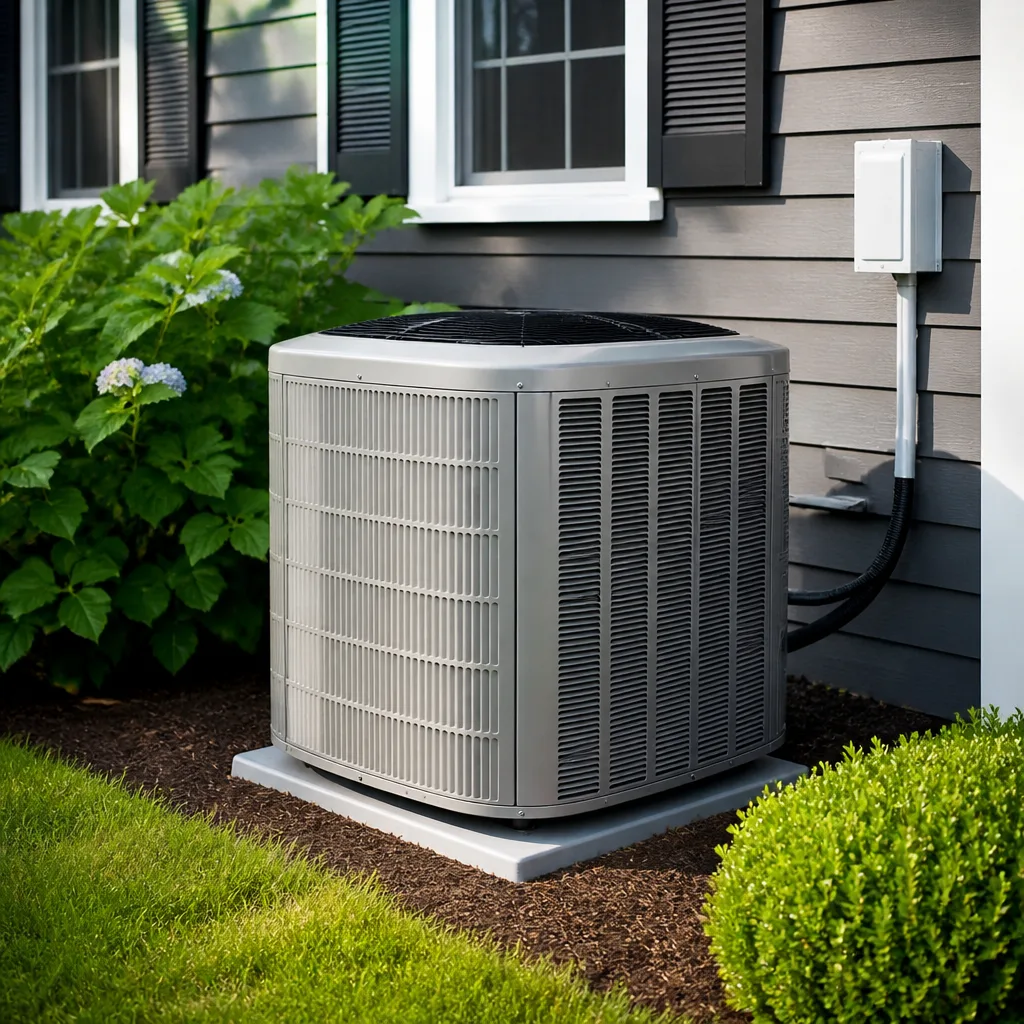 AC repair
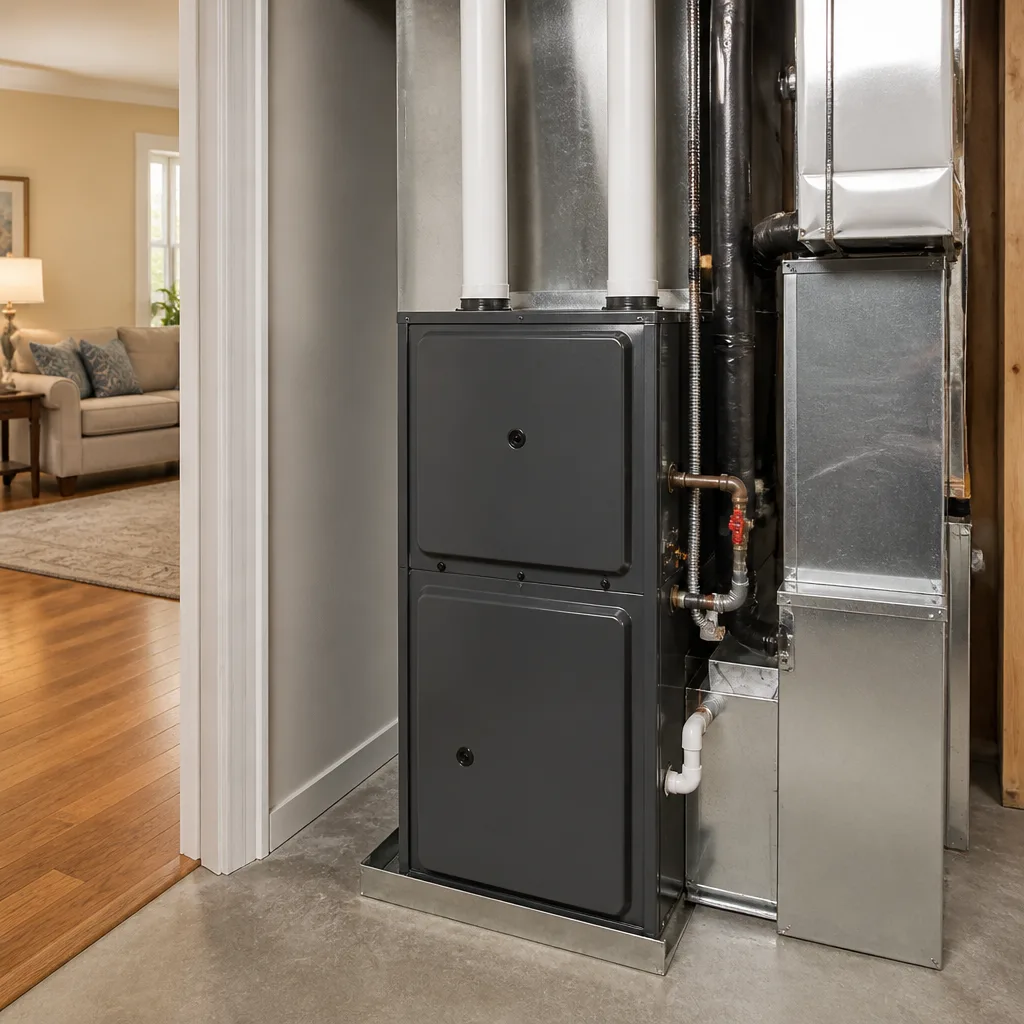 Furnace & heating
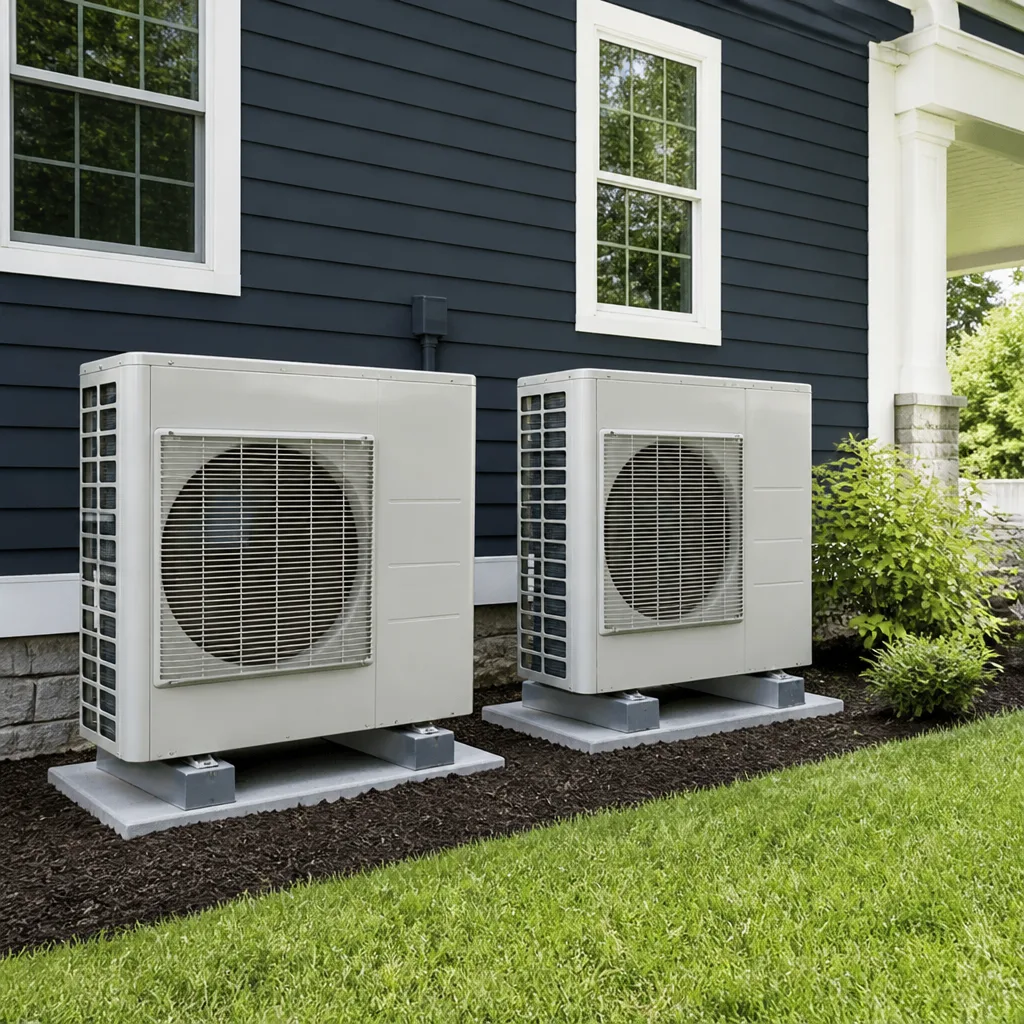 Heat pumps
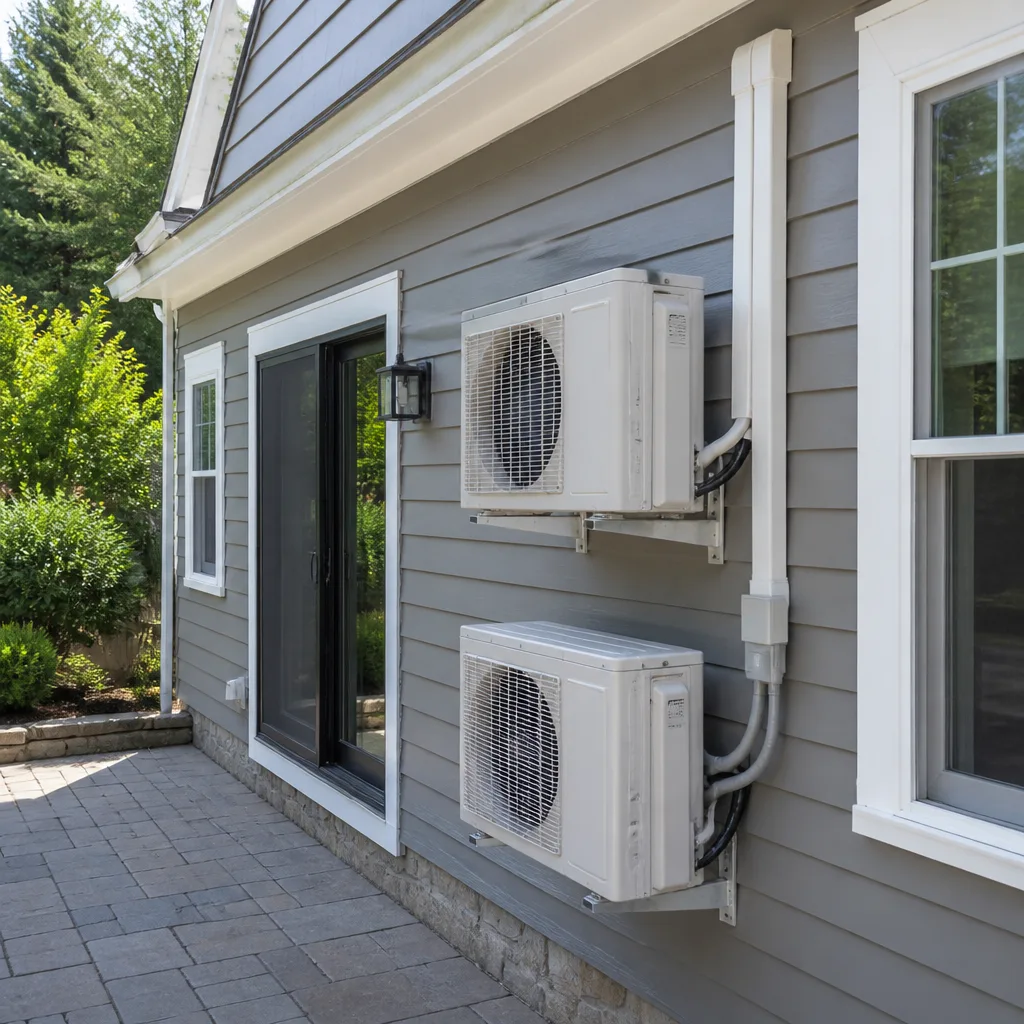 Ductless mini splits
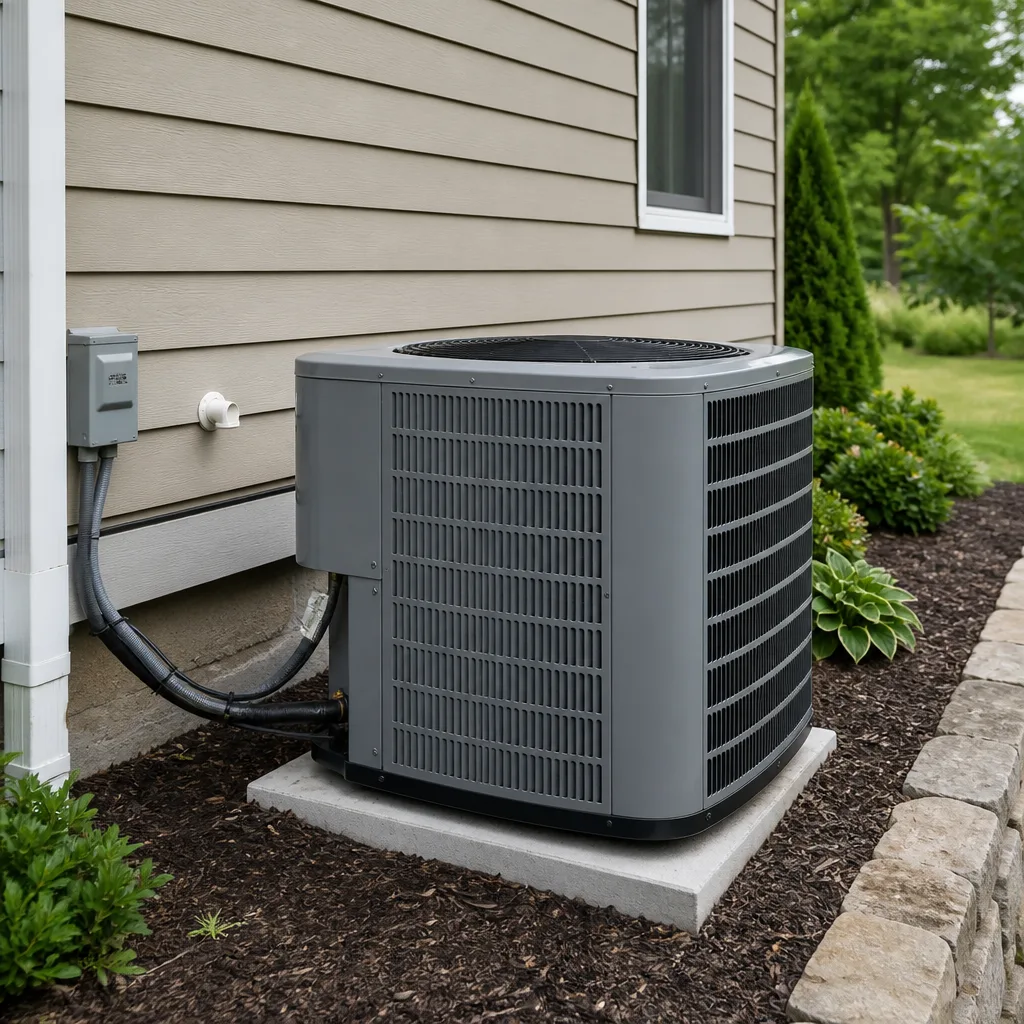 Carrier
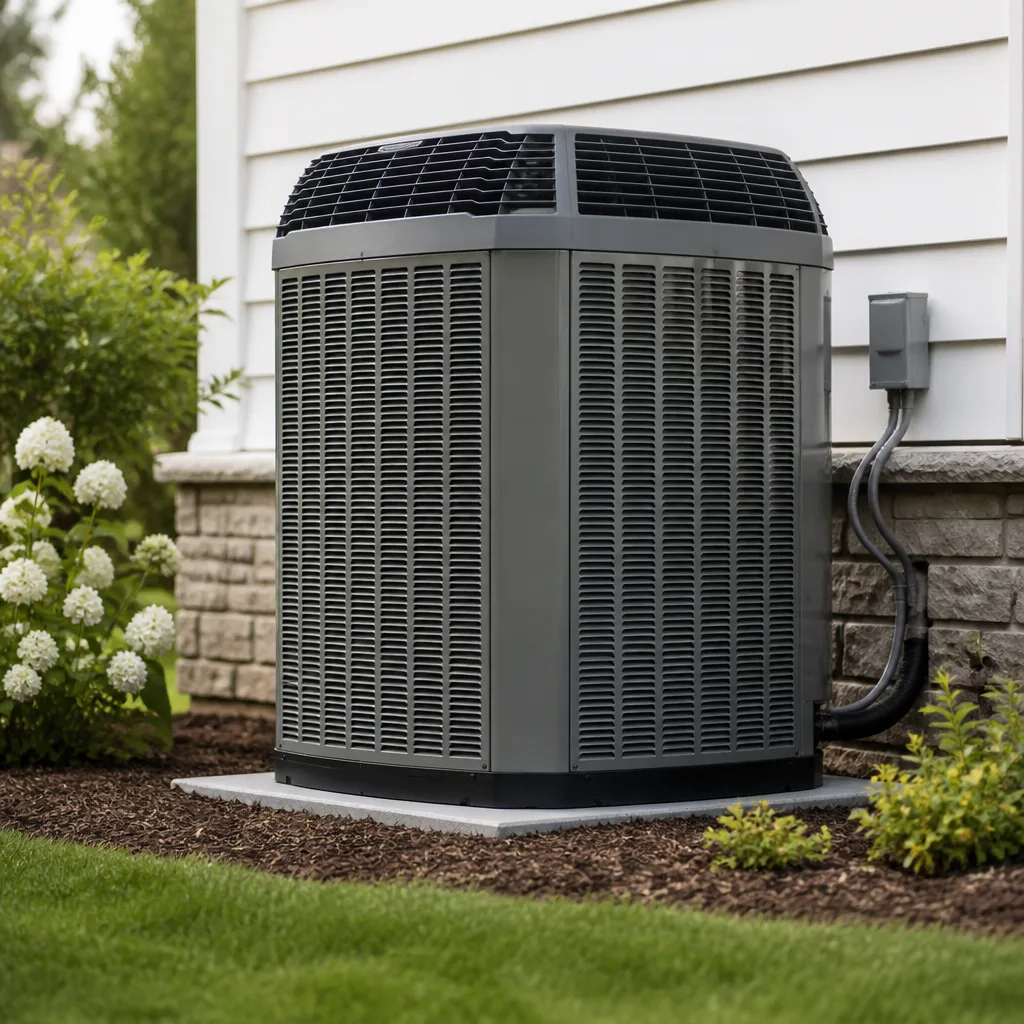 Trane
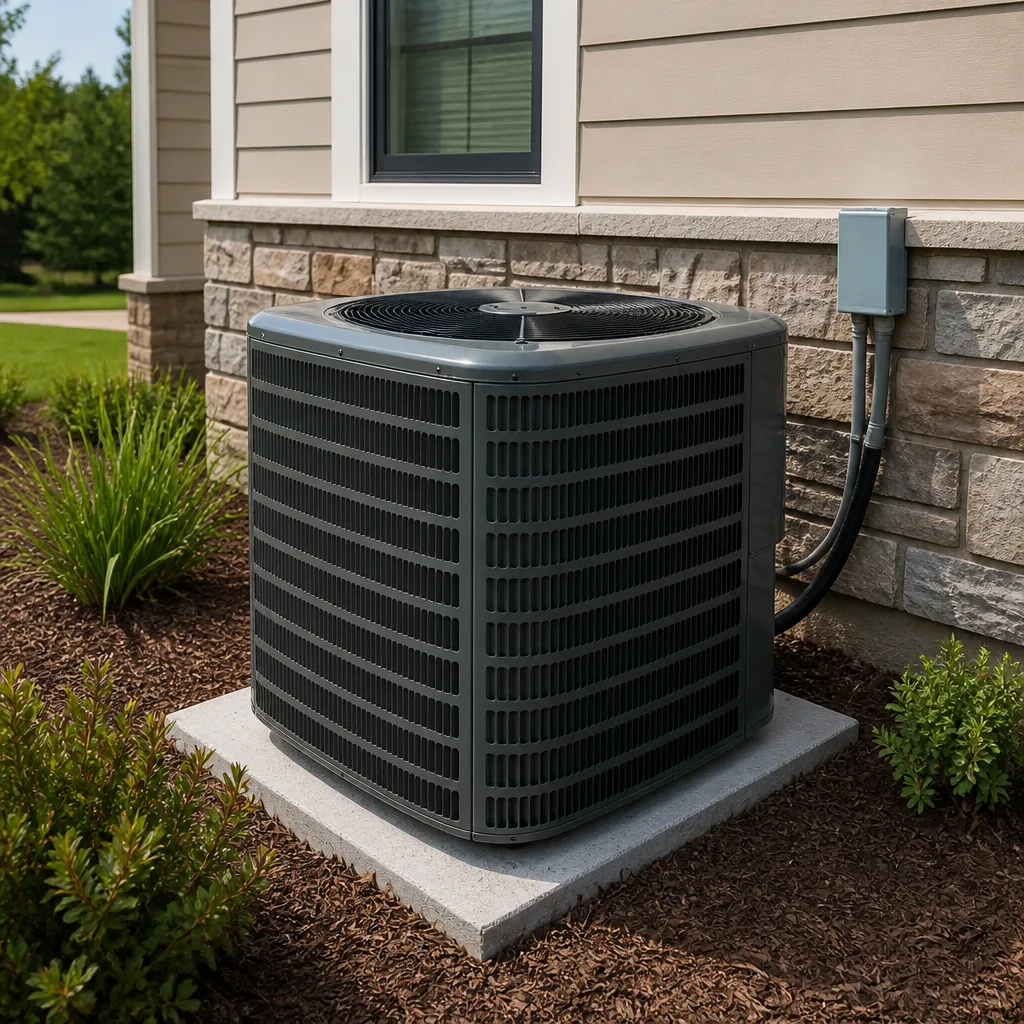 Goodman
Seasonal tune-up and full diagnostic on your Carrier, Trane, or Goodman system - readings shown to you before any repair is proposed
Diagnosis first, numbers second - you approve the repair price before a single part goes in.
Get your free estimateDIY vs Professional HVAC: The Davie Homeowner’s Decision Guide
Replacing a capacitor yourself is legal, cheap, and something a homeowner with a screwdriver and the power turned off can do safely. Replacing refrigerant yourself is a federal crime. Most DIY HVAC content online doesn’t tell you which is which, and that gap matters more in Florida than almost anywhere else. Here the question isn’t really skill versus cost. It’s legal versus illegal, and where the line falls on your own equipment. This guide maps that line clearly, covers the DIY tasks that genuinely pay off in Davie, and shows you where a small mistake turns into an expensive repair.
Quick Answer
In Davie, you can legally change your own air filter, flush the condensate drain, straighten condenser fins, and swap a thermostat. Anything involving refrigerant, electrical wiring beyond a simple component swap, or major system modification requires a licensed contractor under Florida law and EPA Section 608 rules. The smart approach is to do the simple maintenance yourself and call a licensed technician for everything that touches refrigerant, the compressor, or the electrical panel.
Styles & brands we work with
- AC repair
- Furnace & heating
- Heat pumps
- Ductless mini splits
- Carrier
- Trane
- Goodman
Table of Contents
- The Legal Map: What Florida Law Lets You Do Yourself
- The DIY Tasks That Actually Pay Off in Davie
- Where DIY Goes Wrong in South Florida Homes
- Warranty and Insurance: What Really Voids Coverage
- Filters, MERV Ratings, and Airflow
- Using a Technician’s Visit as a Teaching Moment
- DIY vs Professional: Side-by-Side Comparison
- When to Stop and Call
The Legal Map: What Florida Law Lets You Do Yourself
Florida draws a firm line between maintenance and contracting. You can maintain your own equipment. You cannot perform work that legally requires a license, and refrigerant handling is the clearest example.
Under EPA Section 608 of the Clean Air Act, any person who maintains, services, repairs, or disposes of equipment that could release ozone-depleting refrigerants into the atmosphere must be certified. That certification requires passing an EPA-approved exam. Buying a can of R-410A at a supply house and topping off your own system is not a gray area. It’s a violation, and it can carry real penalties.
Florida Statute Chapter 489 governs contracting. HVAC work that involves installing, repairing, or modifying a system falls under licensed contracting in most circumstances. Here’s the practical breakdown:
- Legal for homeowners: Changing air filters, cleaning the outdoor unit’s exterior, flushing the condensate drain line, replacing a thermostat with a compatible model, straightening bent condenser fins with a fin comb.
- Requires a licensed contractor: Any refrigerant handling, compressor replacement, refrigerant line work, electrical work at the panel or disconnect, ductwork modification, and full system installation.
- Legally gray but inadvisable: Replacing a capacitor or contactor. These are low-voltage components many homeowners handle safely, but they sit inside a unit with high-voltage wiring. If you’re not certain, don’t.
If you’re unsure whether a task crosses the line, call your local building department or ask a licensed technician during a service visit. That’s not a sales pitch. It’s the honest answer, and it’s how we approach every call in Davie.
The DIY Tasks That Actually Pay Off in Davie
Some maintenance genuinely rewards the homeowner who does it. In Davie’s climate, a system runs hard for most of the year, so consistent simple maintenance stretches equipment life and keeps energy bills where they should be.
Here are the tasks worth doing yourself, in order of impact:
- Change the air filter every 30 to 90 days. In a home with pets or heavy dust, lean toward 30 days. A clogged filter forces the blower to work harder and can freeze the evaporator coil.
- Flush the condensate drain line with white vinegar. Pour a cup of vinegar down the drain access port every few months. This prevents the algae growth that’s responsible for a large share of summer water-overflow calls in South Florida.
- Rinse the outdoor condenser coil. With the power off at the breaker, gently rinse the exterior fins with a garden hose. Don’t use a pressure washer. It bends fins and drives water into places it shouldn’t go.
- Straighten bent condenser fins. A fin comb costs a few dollars and restores airflow through crushed fins. Work gently from the top down.
- Replace a thermostat with a compatible model. Turn off the air handler breaker first, photograph every wire before disconnecting, and match the new unit’s wiring to the old one. If your system uses a communicating thermostat, this is not a DIY job.
- Keep two feet of clearance around the outdoor unit. Trim vegetation, clear debris, and make sure the unit isn’t boxed in by fencing or stored items.
None of these require a license. All of them reduce the odds you’ll need an emergency call in July. And when you do need one, we work on whatever brand you already own, whether that’s a Carrier, a Trane, or a budget-tier Goodman.
Where DIY Goes Wrong in South Florida Homes
The failures we see most often in Davie aren’t from homeowners attempting major repairs. They come from well-intentioned maintenance done with the wrong product or the wrong method. South Florida’s heat and humidity amplify the consequences.
Coil cleaning with the wrong chemicals. Evaporator coils are aluminum. Household cleaners, bleach solutions, and some foaming coil sprays corrode the fins over time. A corroded coil loses efficiency, and replacement is far more expensive than the cleaning was worth. Use only products labeled for HVAC coils, and rinse thoroughly.
Drain line modifications. Homeowners sometimes reroute a condensate drain to solve an overflow, using flexible tubing or a shallower pitch than the original. The result is a slow leak inside a wall or ceiling, which is far worse than a pan overflow. Drain lines need consistent downward pitch and a trap where the manufacturer specifies one.
Incorrect filter MERV ratings. A high-MERV filter catches more particles, but it also restricts airflow. In older duct systems common in Davie neighborhoods, an overly restrictive filter can starve the blower, raise static pressure, and freeze the coil. Most residential systems are designed for a MERV 8 to MERV 11 filter. Going higher without checking system capacity is a common and costly error.
Electrical work beyond a component swap. Capacitors and contactors look simple. But the wiring around them carries high voltage even after the thermostat is off. We’ve seen homeowners injured and units damaged because the disconnect wasn’t pulled. This is one of the few areas where we consistently recommend calling a professional rather than attempting it. A licensed technician will also test the capacitor under load and confirm the compressor isn’t drawing excessive current.
Warranty and Insurance: What Really Voids Coverage
Most homeowners assume any DIY work voids the manufacturer’s warranty. That’s not accurate. What actually voids coverage is specific: unlicensed work, improper installation, and damage caused by incorrect parts or procedures.
Here’s what typically does and doesn’t affect a manufacturer warranty:
- Doesn’t void it: Changing your own filters, cleaning the exterior coil, flushing the drain, and other routine maintenance listed in the owner’s manual. In fact, documented maintenance helps warranty claims.
- Can void it: Installing a part that isn’t the manufacturer-specified replacement, attempting a repair that damages adjacent components, or any refrigerant work performed by an uncertified person.
- Usually voids it: Installing a system yourself or using an unlicensed installer. Manufacturers require installation by a licensed contractor for the equipment warranty to remain in force.
The insurance side is separate. Homeowners insurance typically covers sudden accidental damage, like a water overflow from a failed drain line, but rarely covers damage from neglected maintenance or improper work. Some policies exclude damage resulting from unpermitted work. If a claim adjuster finds a self-installed system or an unpermitted modification, coverage for the resulting damage can be denied.
When we service a system in Davie, we check the equipment’s serial number against the manufacturer’s warranty records so you know exactly where you stand before any repair begins. That’s part of being brand-agnostic: your warranty terms matter more than our parts margin.
Filters, MERV Ratings, and Airflow
Filter selection is the single most common DIY mistake we encounter, and it’s the easiest to get right once you understand the tradeoff. A filter has one job: catch particles without choking airflow. Push too hard on filtration, and the system pays for it.
MERV stands for Minimum Efficiency Reporting Value. Higher numbers capture smaller particles. Lower numbers let more air through. In a South Florida home with a standard residential air handler, the sweet spot is usually MERV 8 to MERV 11. If someone in the home has allergies, MERV 13 can work, but only if the duct system is sized for it. A MERV 13 filter in a system designed for MERV 8 can cut airflow enough to freeze the evaporator coil on a hot Davie afternoon.
Here’s a practical filter checklist:
- Check your system’s manual or the filter slot label for the recommended MERV range.
- Choose the lowest rating that meets your household’s needs. For most homes, that’s MERV 8.
- Match the exact dimensions. A filter that doesn’t fit the slot lets air bypass it entirely.
- Write the install date on the filter frame. Change it at 30 to 90 days depending on dust and pets.
- If you’re unsure what the system was designed for, ask a technician during a routine visit. It’s a quick answer and it prevents a coil freeze.
If your outdoor unit is struggling to keep up on a hot afternoon, the filter is the first thing to check before assuming a refrigerant problem. Call (833) 548-1941 and we can talk through what you’re seeing. We answer 24/7. Fast dispatch from 7am to 7pm, Sunday through Friday.
Using a Technician’s Visit as a Teaching Moment
A service visit is more useful than most homeowners realize. A good technician will show you what’s happening inside your system and leave you better equipped to handle the simple maintenance yourself. That’s how it should work, and it’s how we run our calls.
When a technician is at your home, here’s what to watch and ask:
- Ask them to show you the filter location and the recommended MERV rating. Write it down. If you didn’t know your filter was behind a return grille in a hallway, that’s worth knowing.
- Ask them to point out the condensate drain and demonstrate the vinegar flush. Two minutes of instruction saves you a call later.
- Ask them to check the capacitor and explain what a failing one looks like. You’ll learn the symptom, which is the compressor trying to start but humming instead.
- Watch where they check refrigerant pressures. Note the service valve locations so you understand what’s there, not so you touch it.
- Ask them what maintenance schedule makes sense for your specific system. A twenty-year-old builder-grade unit needs different attention than a newer high-efficiency Trane or Lennox unit.
The better you understand the equipment, the less often you need to call, and the more confident you are when you do. Our technicians have up to 15 years of experience across these systems, and they’d rather answer a question than talk you into a replacement you don’t need.
DIY vs Professional: Side-by-Side Comparison
The decision comes down to what the task involves. Here’s a practical breakdown:
- Filter changes: DIY. Under five minutes, no risk, real savings on energy use.
- Condensate drain flush: DIY. Vinegar and a funnel. Prevents overflow damage.
- Condenser coil rinse and fin straightening: DIY with the power off. Gentle pressure only.
- Thermostat replacement: DIY if the systems are compatible and you photograph the wiring. Professional if it’s a communicating system.
- Capacitor or contactor replacement: Professional. High voltage, and a wrong-value part damages the compressor.
- Refrigerant leak diagnosis and recharge: Professional only. Federal law requires EPA Section 608 certification.
- Compressor replacement: Professional only. Licensing, refrigerant, and warranty all point here.
- Ductwork repair or modification: Professional. Airflow and code compliance both matter.
- Full system installation: Professional. Permits, sizing, and warranty coverage all require a licensed contractor.
For heating-side work, the same logic applies. Furnace repair involves gas lines and combustion safety, which belongs in licensed hands. That’s why we handle both sides of home climate control, so you’re not hunting for a separate contractor for furnace repair when the temperatures drop.
When to Stop and Call
Some symptoms are a clear signal to stop and call. If you notice any of the following, don’t keep troubleshooting. A trained technician with proper tools will find the cause faster and safer than a homeowner can, and the cost of a wrong guess is usually higher than the service call.
Stop and call if your system is tripping the breaker, if the outdoor unit hums without starting, if you see ice on the indoor coil or refrigerant lines, if you smell burning or an unusual chemical odor, or if water is pooling near the air handler. Any of these points to an electrical, refrigerant, or drainage problem that needs licensed hands. When the system simply isn’t cooling, the filter is the one thing to check first. After that, it’s a technician’s job.
For a system that’s reached the end of its life, an honest conversation about repair versus replacement matters more than a quick sales pitch. Our approach is straightforward: repair first, replace only when it genuinely makes sense for your home. That’s what a AC installation visit should look like, with sizing based on your home rather than on what’s easiest to sell. If you want to understand what a proper installation involves, our Davie AC Repair team can walk you through the process.
Common Mistakes to Avoid
- Buying refrigerant online. It’s a federal violation under EPA Section 608 to handle refrigerant without certification, and no reputable supplier will sell it to a homeowner. If a neighbor offers to top off your system, decline. You’ll lose your warranty and gain a leak.
- Pressure-washing the condenser coil. High pressure bends fins flat and forces water into the electrical compartment. A garden hose with a gentle spray is all the coil needs.
- Using bleach or household cleaners on the evaporator coil. Aluminum fins corrode under alkaline cleaners. The damage is gradual, so you won’t notice until efficiency drops and the coil needs replacing.
- Installing a MERV 13 filter to fix allergies. In a typical Davie home duct system, the extra restriction can freeze the coil in the middle of summer. Check system capacity before going above MERV 11.
- Rerouting a condensate drain with a shallow pitch. Water needs consistent fall to drain properly. A shallow line creates a slow leak inside a wall, which is a far costlier repair than calling a technician.
- Replacing a capacitor with a differently rated part. Capacitance values matter. A wrong-value capacitor will burn out the compressor motor over time, which turns a cheap fix into a major repair.
- Assuming all DIY voids the warranty. It doesn’t. Document your routine maintenance, keep receipts for filters, and note the dates. That paper trail protects your coverage if a manufacturer claim ever comes up.
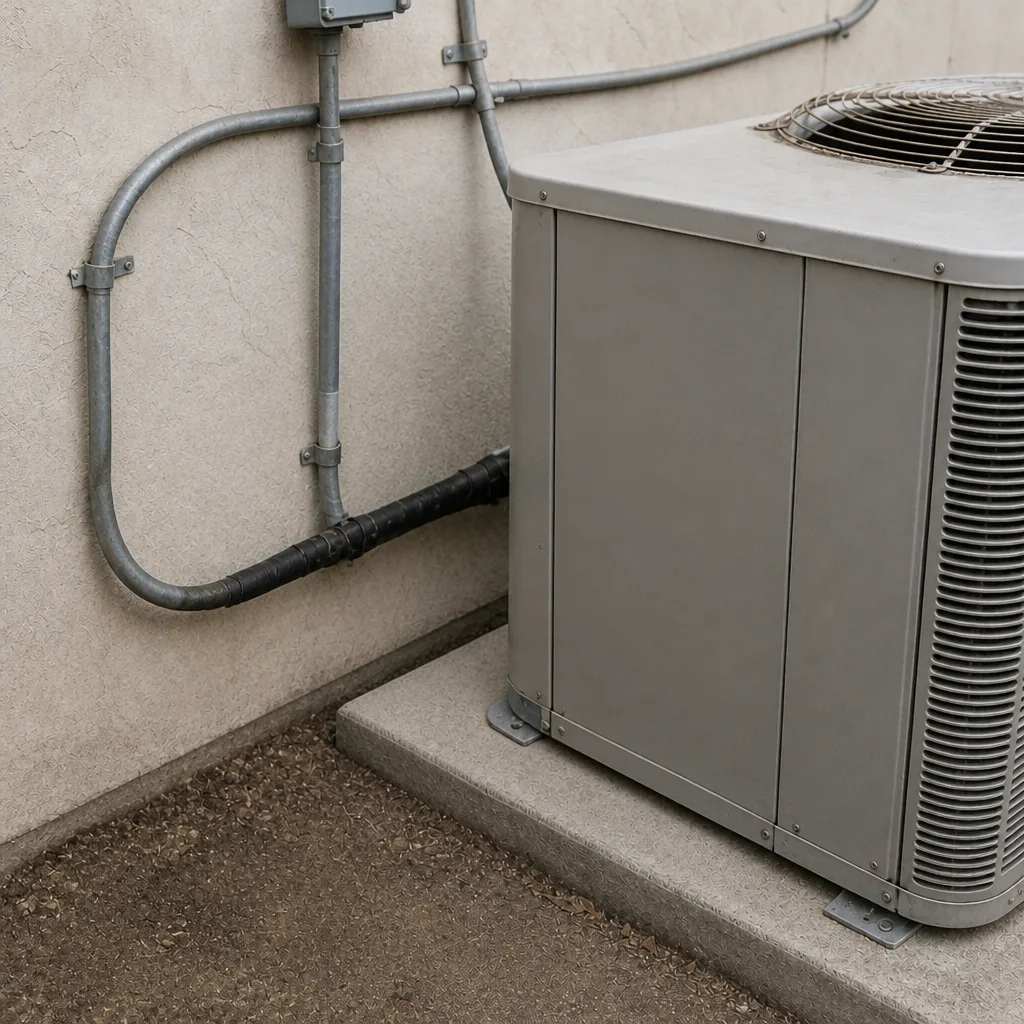
See the difference
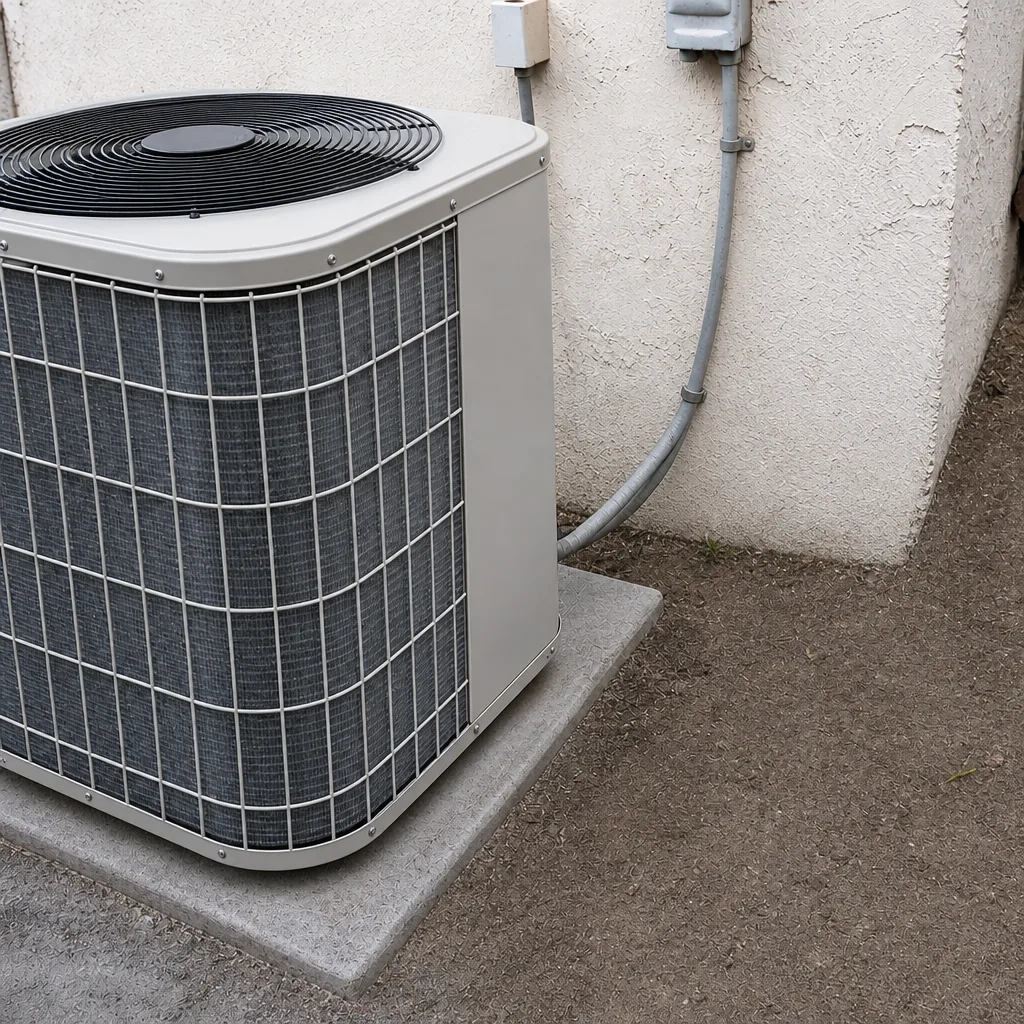
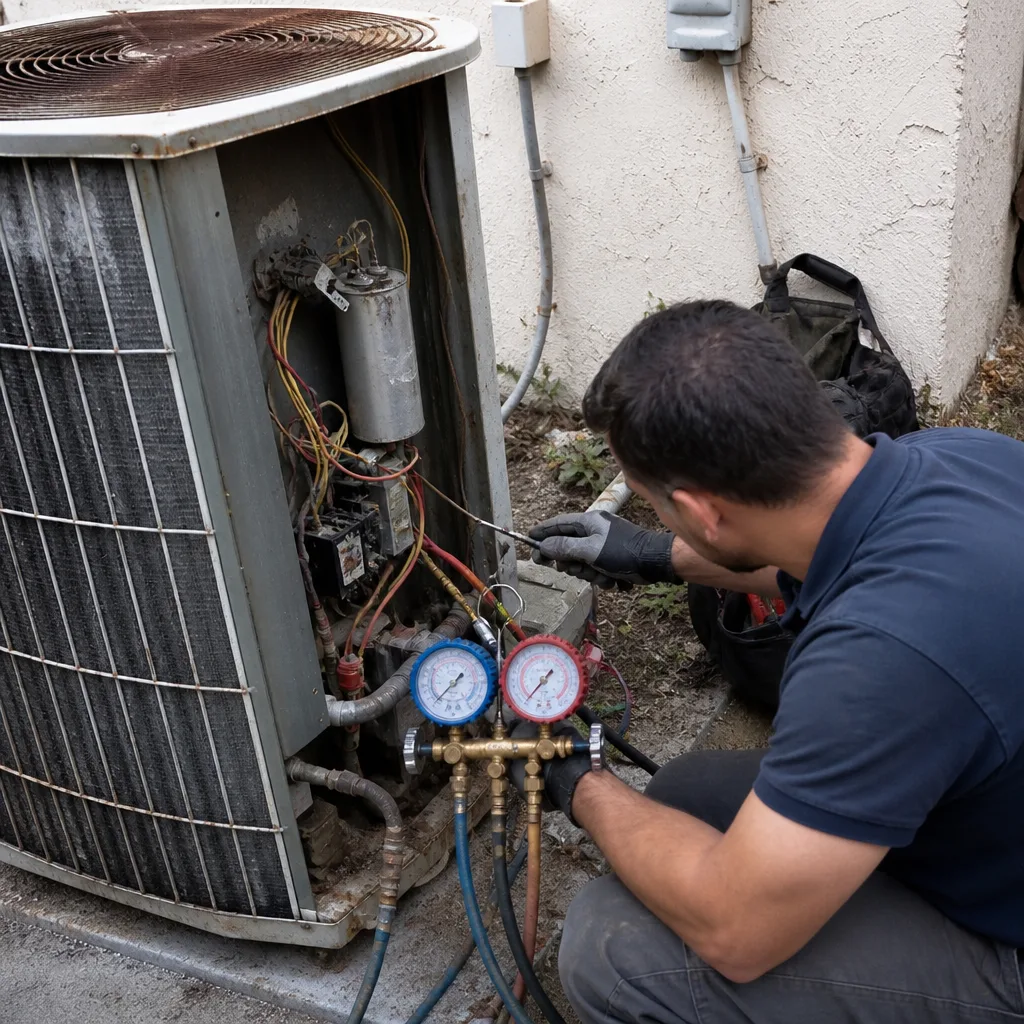 Before
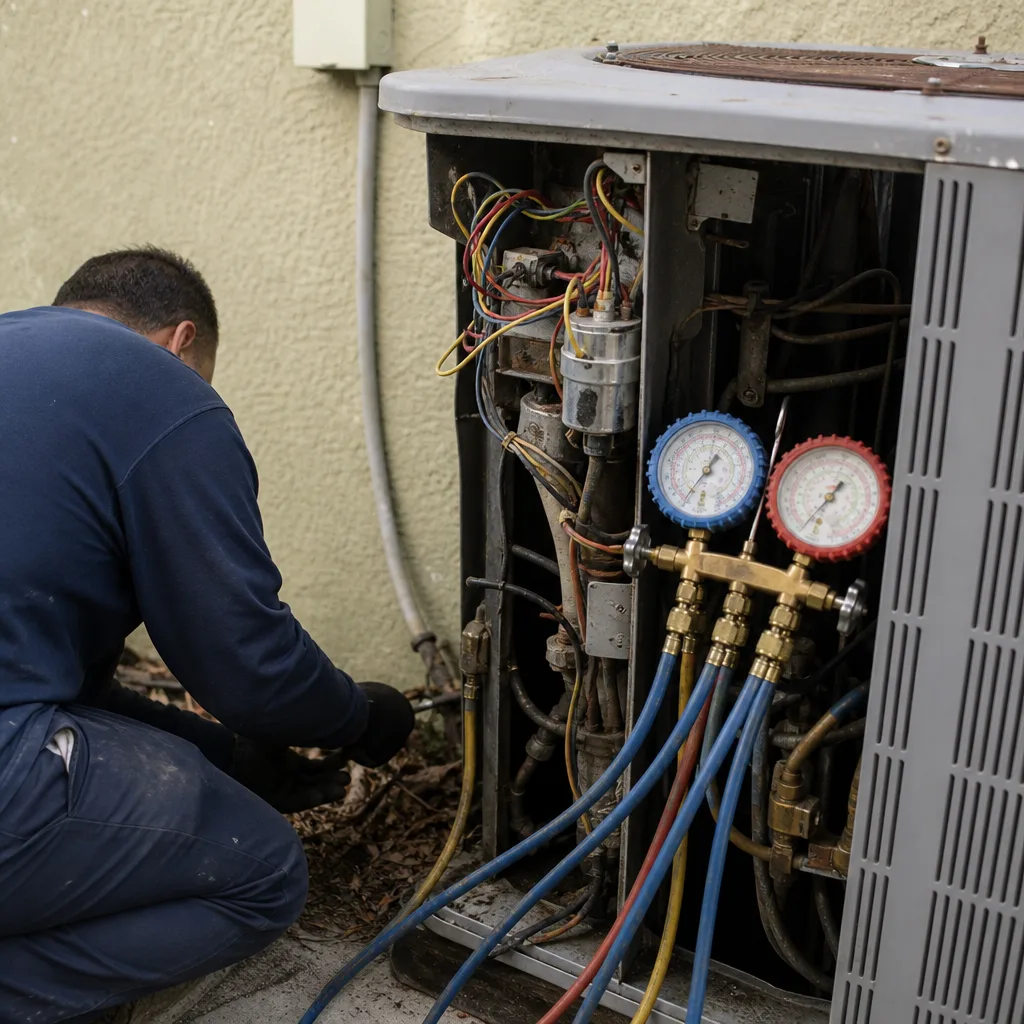
 After
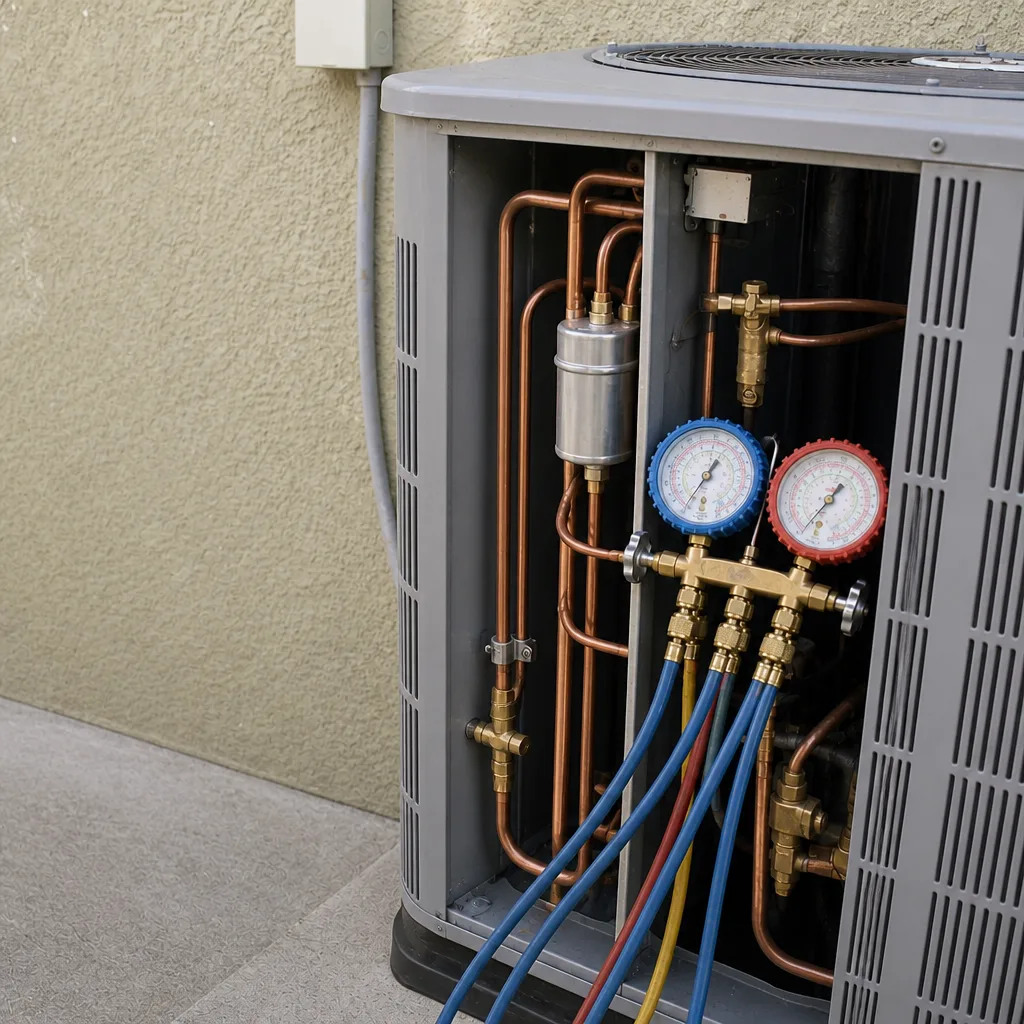
 Before
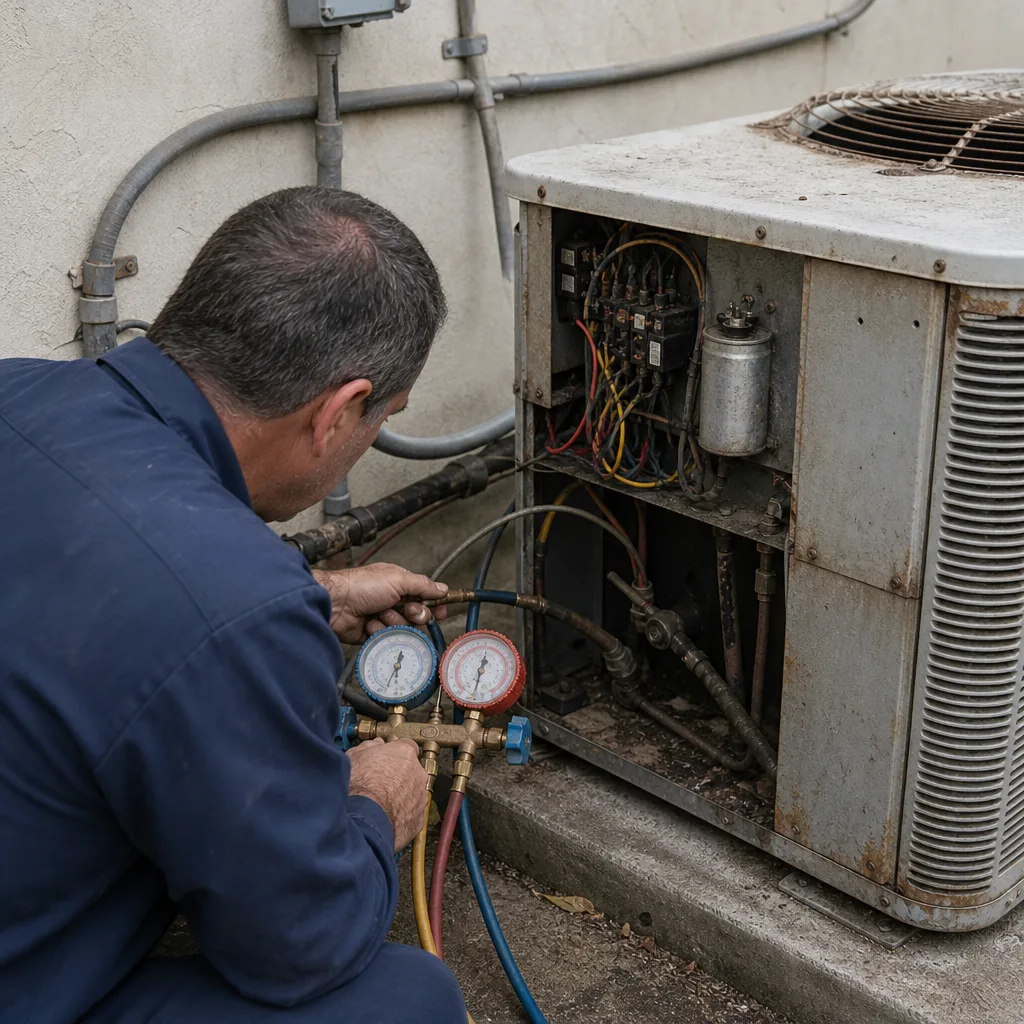
 After
 Before
 After
When to Call a Professional
Call a professional when the work involves refrigerant, high-voltage electrical components, the compressor, ductwork, or anything that requires a permit. Also call when you’ve done the simple maintenance and the system still isn’t performing. Those are the situations where continuing on your own risks a bigger repair, a voided warranty, or a safety problem.
We don’t promise same-day turnaround on installation work, because that work is sized, ordered, and scheduled. For repairs, we get a technician to you quickly. And a system that’s properly sized and installed is the one place you never want shortcuts. Davie AC Repair offers free estimates in Davie. Call (833) 548-1941, and we’ll tell you what your system actually needs.
Frequently Asked Questions
No. Under EPA Section 608, anyone who handles refrigerants must be certified through an EPA-approved exam. Buying refrigerant without that certification, or having someone uncertified add it, violates federal law and typically voids your equipment warranty. Call (833) 548-1941 for a licensed technician. Estimates are free.
No. Routine maintenance like filter changes, coil rinsing, and drain flushing doesn’t void the manufacturer’s warranty. What can void it is unlicensed repair work, installing non-specified parts, or any refrigerant handling by an uncertified person. Keep records of your maintenance so you can show it was done.
Using the wrong filter, most often. Homeowners upgrade to a high-MERV filter to reduce dust or allergies, and the extra restriction freezes the coil in the summer heat. Stick to the MERV rating the system was designed for, usually 8 to 11, and change it on schedule. If you’re not sure, ask during a service visit. Call (833) 548-1941.
Usually yes, if the new thermostat is compatible with your system and you turn off the air handler breaker first. Photograph the wiring before disconnecting anything. Communicating systems and multi-stage systems need a professional, and it’s worth a call to confirm compatibility before you buy. Call (833) 548-1941 and we’ll tell you what your system supports.
Yes, in most cases a permit is required for a full system replacement, and the work must be done by a licensed contractor. Permits protect you at resale and keep insurance coverage intact. Ask your city’s building department for the specifics. For help planning a replacement, call (833) 548-1941 for a free estimate.
Both. Do the filter changes, drain flushes, and coil rinses yourself. Those tasks cost almost nothing and genuinely extend equipment life. Hire a technician for anything involving refrigerant, electrical components, or the compressor, and for an annual check that confirms the system is performing as designed. Estimates are free, so call (833) 548-1941 if you have questions.
The Bottom Line
The DIY versus professional choice in Davie comes down to the law first, then the risk. Changing a filter, flushing a drain line, rinsing a coil, and straightening fins are legitimate homeowner tasks that keep your system running between service visits. Refrigerant, compressor work, electrical components inside the unit, and full installations require a licensed contractor, and the consequences of crossing that line include voided warranties, denied insurance claims, and federal penalties.
Most homeowners do the simple maintenance and call a professional for the rest. That’s the right balance. If you’re uncertain where a task falls, call (833) 548-1941 for a free estimate. We answer 24/7. Fast dispatch from 7am to 7pm, Sunday through Friday. We work on your system, not just the brands we prefer to sell, whether that means an American Standard unit or a Carrier that’s served you well for years.
Written by the team at Davie AC Repair.