
Last updated November 15, 2026
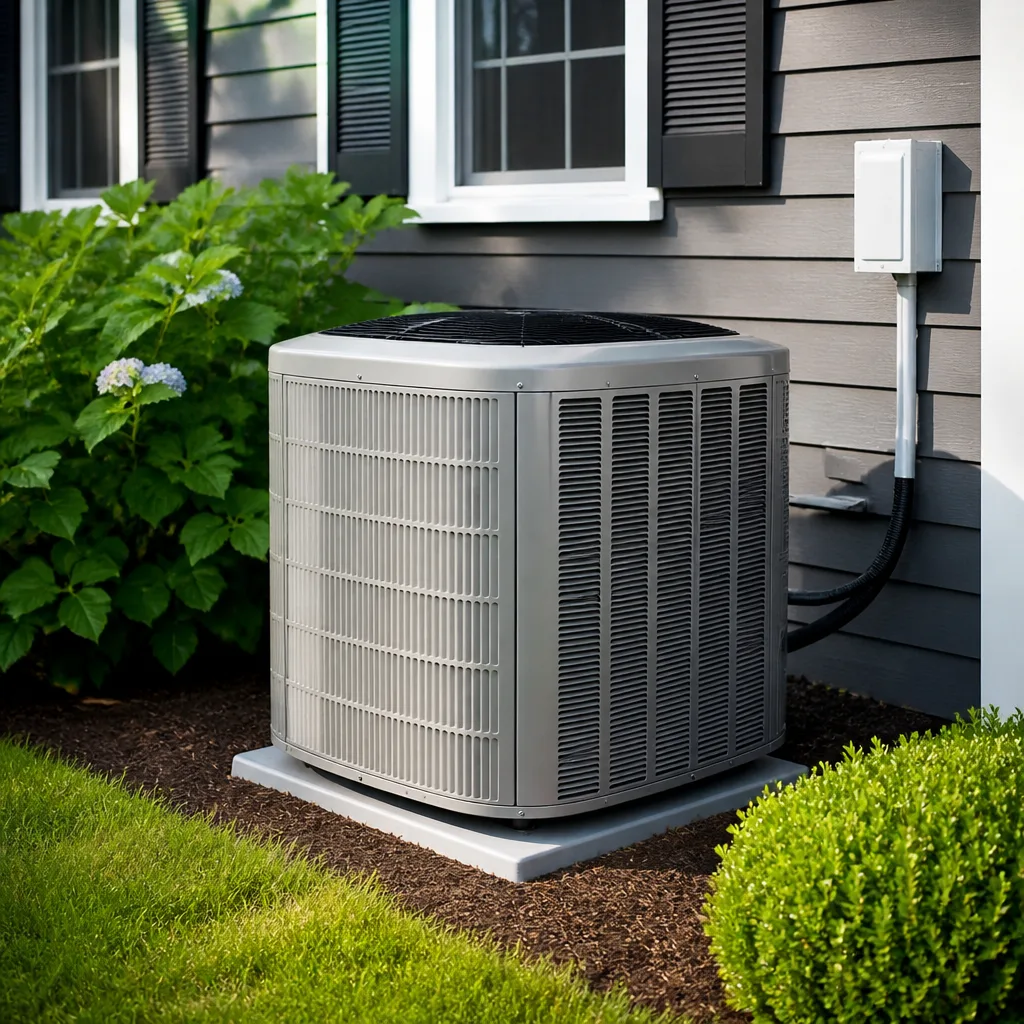 AC repair
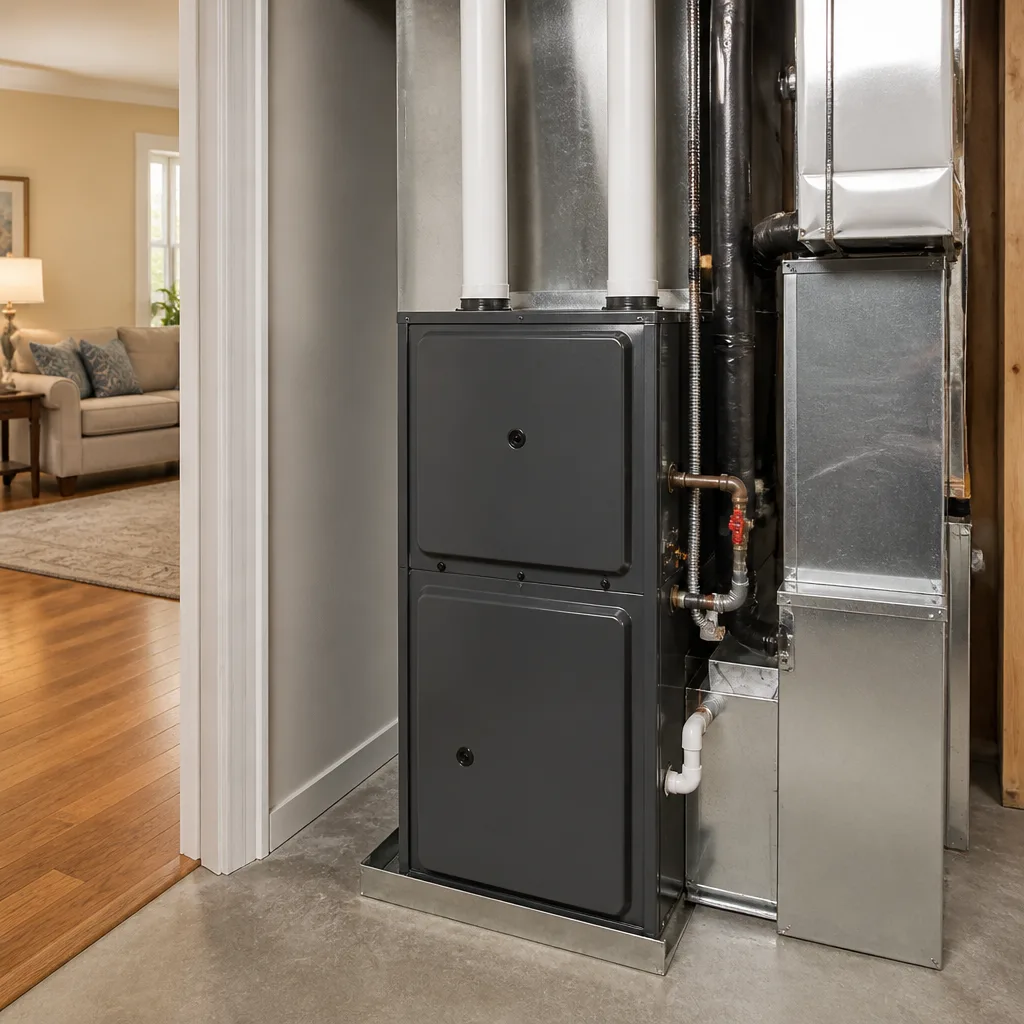 Furnace & heating
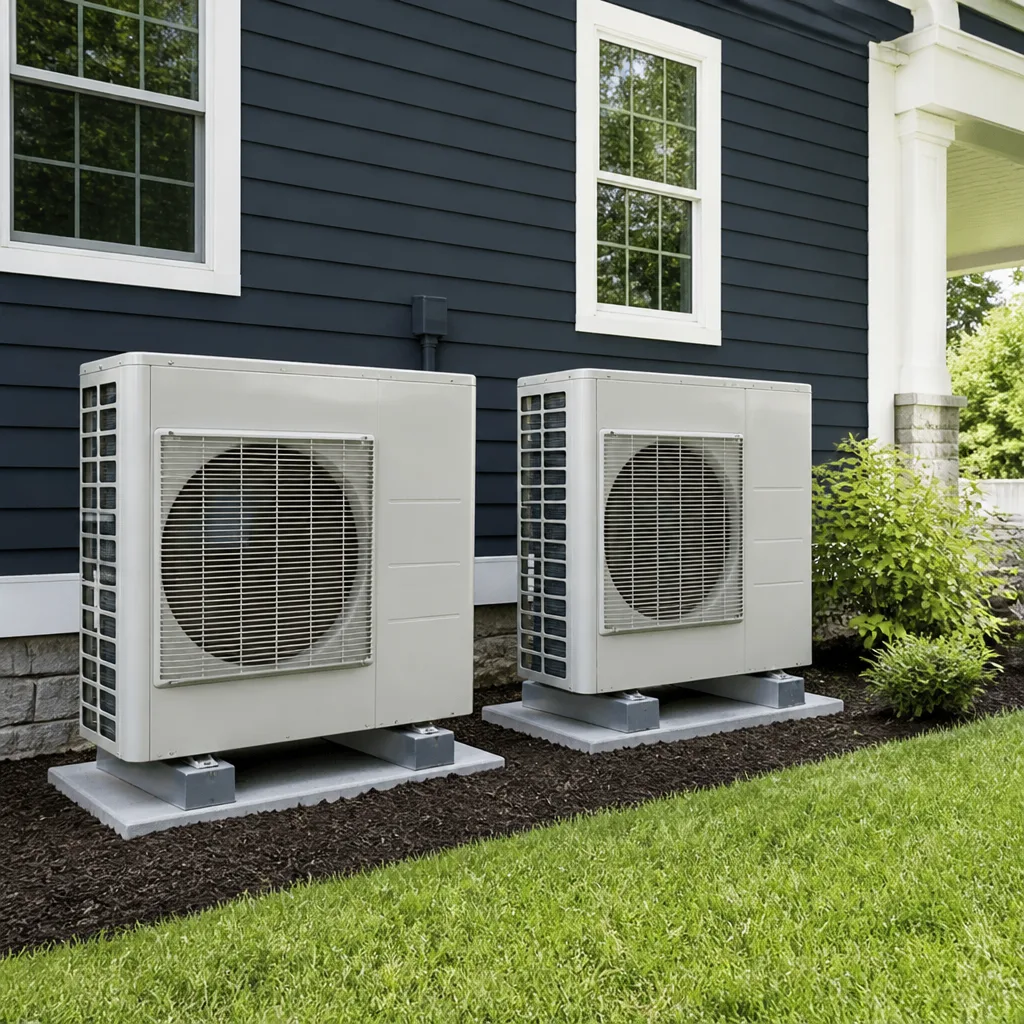 Heat pumps
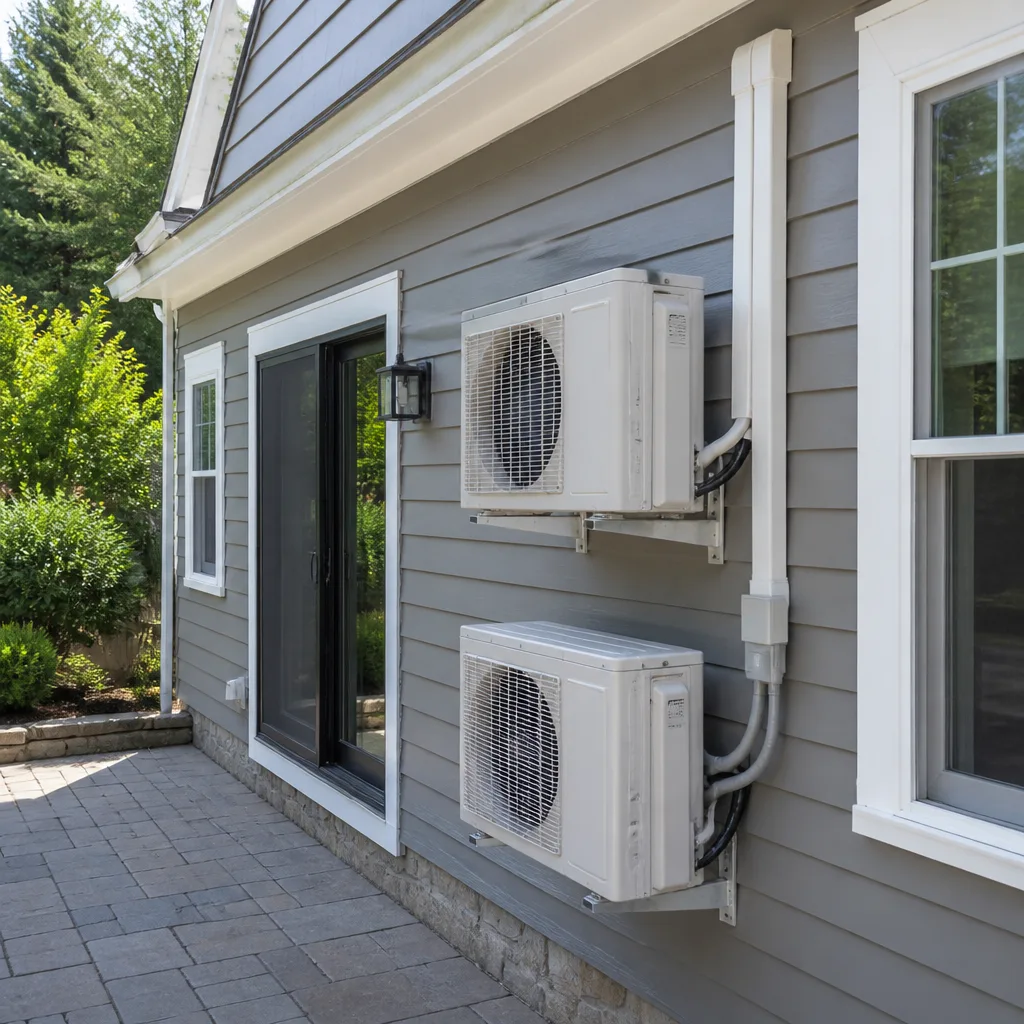 Ductless mini splits
 Carrier
 Trane
 Goodman
Seasonal tune-up and full diagnostic on your Carrier, Trane, or Goodman system - readings shown to you before any repair is proposed
Diagnosis first, numbers second - you approve the repair price before a single part goes in.
Get your free estimateHVAC Emergency Preparedness Guide for Davie Homes
Most homeowners think of an HVAC failure as bad luck. In Davie, it rarely is. The calls that jam the phone lines in the first stretch of real heat almost always trace back to something that was already drifting in the mild weeks before: a capacitor losing capacity, a condenser coil packed with dust, a drain line half-clogged with algae. Spring is when a technician has room on the schedule and the system is still quiet. By the time the house won’t cool, everyone in town is calling at once. This guide shows you the three windows when Davie systems tend to fail, a ten-minute check you can run yourself, what to do in the first four hours of a breakdown, how to handle your equipment after a storm, and how to read an emergency call so you don’t overpay. It isn’t about gadgets or guesswork. it’s about timing.
Quick Answer
An HVAC emergency in Davie is best handled in three moves: run a short safety and airflow check before you call anyone, protect people and pets from heat while you wait, and call a technician with your system’s brand and symptoms ready. Most “emergencies” are preventable failures that build up during mild weather, and the ones that aren’t are handled faster when you know what to check, what to shut off, and what questions to ask.
Styles & brands we work with
- AC repair
- Furnace & heating
- Heat pumps
- Ductless mini splits
- Carrier
- Trane
- Goodman
Table of Contents
- The Three Windows When Davie HVAC Systems Fail
- The 10-Minute Check Before You Call for Emergency Service
- The First Four Hours of a Failure
- Post-Storm HVAC Protocol for Davie Homes
- How to Vet an HVAC Call When the System Fails
- Why Brand Knowledge Matters in an Emergency
- Building a Year-Round Prep Calendar for Davie
- Repair or Replace: Deciding Under Pressure
The Three Windows When Davie HVAC Systems Fail
HVAC breakdowns in Davie cluster into three predictable windows. Each one stresses equipment in a different way, which means each one calls for different preparation. If you know which window you’re standing in, you already know more about your system’s risk than most homeowners ever will.
Window One: Seasonal Startup
The first sustained run of real heat is the single most demanding moment of the year for a cooling system. Equipment that idled through the mild months suddenly runs for hours at a stretch. Weak capacitors, low refrigerant charge, dirty filters and tired contactors all choose that week to announce themselves. The failure isn’t caused by the heat so much as revealed by it. This is why the mild weeks before the first hot stretch are the cheapest time to have a system looked at: the problem is small, the schedule is open, and the diagnosis is straightforward. A system that’s been quietly struggling for weeks rarely gives you a gentle warning once it’s running flat out.
Window Two: Hurricane Aftermath
Storms bring a different kind of risk. Power interruptions, voltage spikes when the grid comes back, airborne debris packed into condenser coils, and physical damage to outdoor units all show up together. Many systems that “survive” a storm fail days later because of a stressed compressor or a coil that’s been choked with debris. Running equipment before you’ve inspected it is the most common post-storm mistake we hear about, and it’s the one most likely to turn a repairable problem into a replacement.
Window Three: Peak Humidity
Davie’s summer humidity puts a specific load on the indoor side of your system: the condensate drain. A cooling system pulls gallons of water out of the air every day, and that water has to leave the house. When a drain line clogs with algae or debris, water backs up, the safety switch trips, and the system shuts down – often in the middle of the hottest, muggiest stretch of the year. Humidity also makes a struggling system feel worse than it is, which is why “it’s not cooling right” complaints peak in the same weeks. The drain line is the least glamorous part of your HVAC system and the one most likely to strand you.
Why These Windows Matter
Each window has a different signature, and each one responds to a different kind of prep:
- Seasonal startup: filter change, capacitor and contactor check, refrigerant charge verification.
- Storm aftermath: physical inspection of the outdoor unit before it’s powered on, voltage check after outages.
- Peak humidity: drain line clearing, float switch test, indoor humidity control.
Prep done in the mild weeks before each window costs far less in aggravation than the failure it prevents. In Davie, that means an early look at your system is worth more than any gadget you can buy.
The 10-Minute Check Before You Call for Emergency Service
Before you pick up the phone, run this short list. It’s not a substitute for a technician, but a surprising share of “emergency” calls resolve here – the thermostat was in the wrong mode, the breaker had tripped, the filter was so clogged the system was starving for air. Ten minutes can save you a call and, occasionally, a repair bill.
- Check the thermostat. Confirm it’s set to cool, the temperature is below the current room temperature, and the fan is set to auto rather than on. A thermostat stuck in the wrong mode is the single most common false alarm.
- Replace or check the filter. A filter packed solid with dust restricts airflow, freezes the indoor coil, and can make a healthy system behave like a broken one. Hold it up to the light – if you can’t see through it, change it.
- Look at the breaker. Find the breaker that feeds the indoor air handler and the one for the outdoor condenser. If either is tripped, reset it once. If it trips again, leave it off and call a technician – a breaker that keeps tripping is a symptom, not something to fight.
- Check the outdoor unit. Make sure it’s clear of debris, that leaves and grass clippings aren’t packed against the coil, and that nothing is blocking airflow around it. A condenser that can’t breathe will run hot and cut out.
- Inspect the drain pan and line. If you see standing water in the pan near the indoor unit, the drain is clogged. Turn the system off at the thermostat and call – a backed-up drain can damage ceilings and floors.
- Listen. A system that hums but doesn’t start, clicks repeatedly, or makes a grinding or screeching sound isn’t just unhappy – something mechanical is failing. Stop running it and call.
- Check for ice. Ice on the indoor coil or the refrigerant lines is a sign of low charge or restricted airflow. Turn the system off so the ice can melt, then call.
If you’ve run all seven steps and the house still isn’t cooling, you’ve done your part and it’s time for a technician. If you’re not comfortable checking the breaker or the outdoor unit, stop and call – nothing on this list is worth risking injury over.
The First Four Hours of a Failure
Once you’ve confirmed the system is down, the priority shifts from the equipment to the people in the house. The first four hours matter most for anyone who doesn’t regulate heat well: elderly residents, small children, and pets. Here’s how to handle that window without making the eventual repair harder.
Protect People First
- Move everyone to the lowest floor. Heat rises, and a lower level stays several degrees cooler than an upstairs room.
- Close blinds and curtains on sun-facing windows to cut solar gain during the hottest part of the day.
- Keep water available and encourage frequent sipping, especially for elderly residents and anyone on medication that affects heat tolerance.
- Open windows only when the outside air is cooler than the inside air. In a Davie afternoon, that’s usually not the case – opening windows in peak humidity can make the house feel worse.
- Use fans for air movement. A running fan helps the body shed heat even if it doesn’t cool the air itself.
- Check on elderly neighbors and anyone with health conditions during the outage. A quick call costs nothing.
Temporary Cooling That Doesn’t Make Things Worse
Improvising has limits. Here’s what to avoid:
- Don’t open the refrigerator or freezer “to share the cold.” It warms the food and doesn’t meaningfully cool the room.
- Don’t place portable cooling devices against a blocked window or vent into a closed closet – that just moves heat around the house.
- Don’t run the HVAC system “for a test” while the drain is backed up or the outdoor unit is blocked. You can turn a simple fix into a compressor failure.
- Don’t seal the house and forget about ventilation when fans are running. Some airflow is necessary for comfort.
If anyone in the home is showing signs of heat illness – confusion, dizziness, nausea, hot skin – stop troubleshooting and call for medical help. The HVAC can wait. The person can’t. Once everyone is safe, that’s when you make the repair call.
Post-Storm HVAC Protocol for Davie Homes
After a storm rolls through Davie, the instinct is often to flip the system back on as soon as the power returns. Resist that instinct. The 30 minutes you spend inspecting your outdoor unit before you run it can save you a compressor.
Inspect Before You Run
- Confirm the power is stable. If the grid flickered during the storm, wait a few minutes after power returns before you turn anything on. Surges at the moment of restoration are rough on motors and controls.
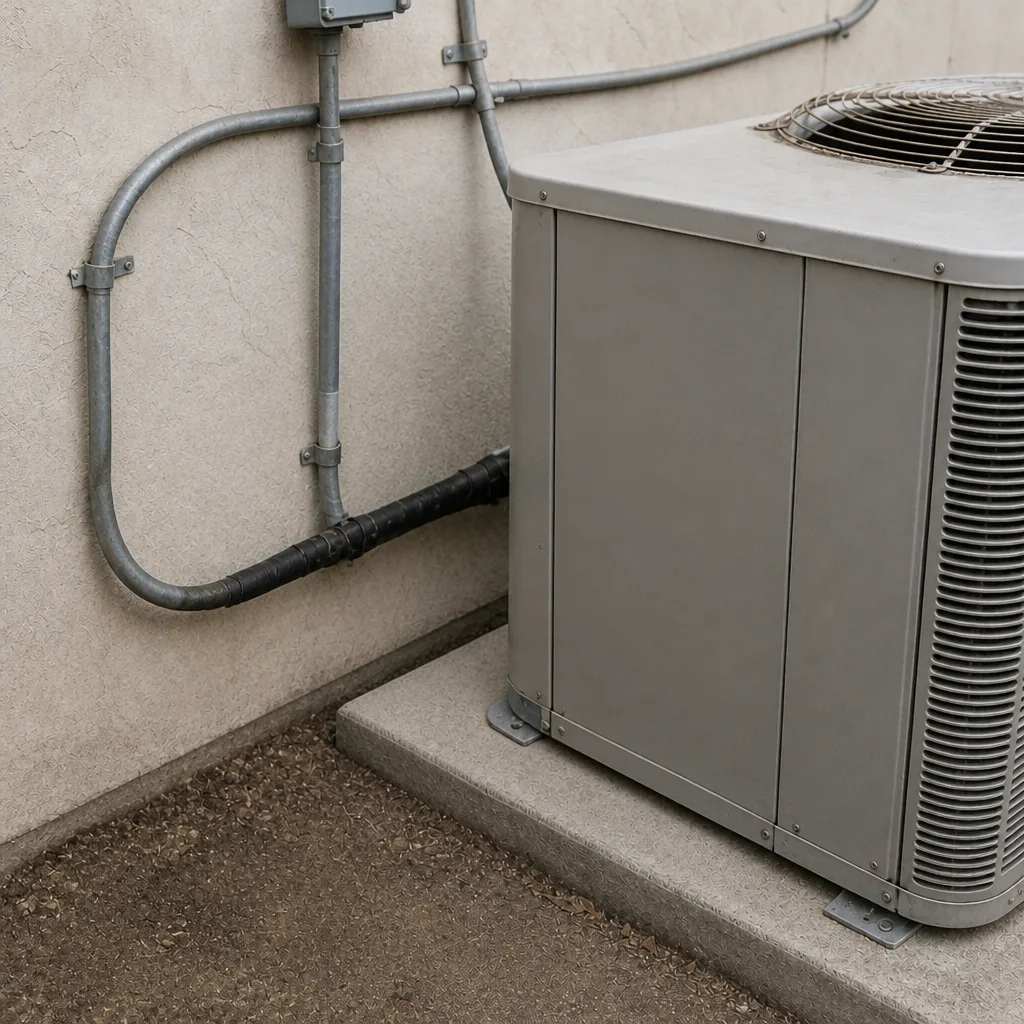
- Walk around the outdoor unit. Look for debris against the coil, branches leaning on the cabinet, and anything that looks physically shifted or bent.
- Check the fan blades. A blade bent by debris can hit the housing or fail to spin freely. Don’t force it – call a technician.
- Look for standing water or damage at the base. If the unit sits low and water pooled around it during the storm, wait for it to drain and call for an inspection.
- Check the indoor unit too. If water backed up from a swollen drain line during the outage, there could be standing water in the pan.
- Then and only then, turn the system on and listen for anything unusual. If it hums, clicks or shuts off, turn it back off and call.
What Storm Damage Can Do to Equipment
Wind-driven debris is the most obvious risk, but storm damage in Davie often takes quieter forms: electrical surges that stressed the capacitors and control boards, voltage irregularities that damaged a compressor over a few weeks, and coils so packed with fine debris that airflow dropped without anyone noticing until the system stopped cooling. If your system survived the storm but hasn’t felt right since, a technician can check the electrical side before the problem becomes expensive. If you’ve found obvious physical damage, don’t run the system at all – a call to a professional is the right first step.
How to Vet an HVAC Call When the System Fails
When it’s hot, the house is uncomfortable, and a technician is offering to come out, the last thing you want to do is negotiate. But a few minutes of careful reading on the phone can save you real money and give you a better repair.
What a Legitimate Call Looks Like
- A clear, flat, upfront explanation of any fees. Legitimate businesses tell you what a visit costs before they arrive, not after.
- A real diagnosis, not a sales pitch. The first visit should be about finding the problem, not about recommending a full replacement before anyone has looked at the equipment.
- Brand-flexible technicians. If the person on the phone won’t work on your equipment because it’s not their preferred brand, that’s a sales arrangement, not a service.
- A written estimate before work begins. Any reputable technician will tell you what they found, what they propose, and what it costs, in writing, before turning a wrench.
- A dose of caution about the diagnosis-by-phone. Anyone who tells you exactly what’s wrong and what it will cost over the phone without seeing the system is guessing.
What Should Raise a Red Flag
- Pressure to replace equipment before a technician has even looked at it.
- Vague pricing that’s “determined at the house” with no written estimate before work starts.
- Any suggestion that a cheap fix won’t work and only the most expensive option is safe.
- A “system” that needs repair every time the technician comes out.
Run the same test in reverse: ask who will work on your specific system, what brands they’re certified to service, and whether they can show you the diagnosis in plain language. A technician who’s comfortable with those questions is the one you want. If your system was installed as a Lennox, a Goodman, a Rheem or a York, ask the person on the phone whether they work on that brand before they come out. If the answer is vague, find someone else.
Why Brand Knowledge Matters in an Emergency
An emergency is the wrong time to discover your technician only knows one manufacturer. In a repair, brand knowledge shows up in small, real ways: knowing where the control board is on a given model, which fault codes mean a capacitor versus a compressor, and which parts are quickly available.
Davie AC Repair is certified to install and repair nine major HVAC brands: Carrier, Trane, Lennox, Goodman, Rheem, York, Daikin, Bryant, and American Standard. That’s a range from budget to premium. It means whether you have a budget Goodman or a premium Trane, we know the system – and we’re not steering you toward a particular manufacturer because that’s what’s on the truck. Our recommendations come from your home’s needs and your budget, not from a dealer incentive. That brand-agnostic approach matters more in an emergency than at any other time, because the fastest fix is the one that’s actually right for the equipment in front of us. We work on your system, not just the brands we prefer to sell.
If you’re considering a new system, that same range matters. We’ll discuss the trade-offs between options honestly, and a new system is installed at a scheduled time, not rushed through in a panic. For a planned replacement, see AC installation. For heat-side work on the same trip, furnace repair is available from the same company, so a single call covers both the cooling and heating sides of your home.
Building a Year-Round Prep Calendar for Davie
Most HVAC emergencies are preventable, and prevention responds well to a simple calendar. The goal isn’t to become your own technician. It’s to space out the small tasks so they never pile up in the same hot week.
What to Do Each Season
- In the mild weeks before the first hot stretch: change the filter, walk the outdoor unit and clear debris, and have the system looked at while schedules are open.
- Monthly during cooling season: check the filter and change or clean it as needed. This is the single highest-value habit in this guide.
- Mid-summer: check the condensate drain for slow drainage, and verify the float switch is working.
- After any storm: inspect the outdoor unit before you run it, and note any change in how the system sounds or cools.
- Before cooler weather: if you have a furnace, have it checked before the first cold snap. Furnace repair is a lot cheaper in October than it is during the first cold week of the year.
- Once a year: have the full system gone over by a technician with the time to actually look at it. A thorough seasonal visit is worth far more than emergency repairs.
Local Habits That Make a Difference
Davie’s subtropical climate means the system works hard for most of the year, and the humidity load is relentless. That’s a real strain on drain lines and coils. Cleaning and inspecting the outdoor unit monthly during the hot months isn’t overkill here – it’s routine maintenance in a climate that requires it. If you’re in one of the town’s residential neighborhoods, a quick monthly walk around the condenser is a habit with real return.
You can find more about how we help across Davie, from the older homes to the newer builds, and read the main guide to our Davie AC Repair services if you want a broader picture of the local heating and cooling options.
Repair or Replace: Deciding Under Pressure
The hardest decision in an HVAC emergency is whether to authorize a repair or a replacement. Under pressure, with the house hot and the technician waiting, it’s easy to pick one out of fear. Here’s how to make the call with a clear head.
Signs a Repair Is the Right Move
- The system is otherwise in good shape and the failure is a single component – a capacitor, a contactor, a blower motor.
- The equipment is well matched to the home and the call is the first one in years.
- The diagnosis is clear and the fix is targeted.
- The system is a mid-range or budget unit (Goodman, Rheem, York) that’s served you well and has life left in it.
Signs a Replacement Deserves a Conversation
- Multiple failures in the same season, or a pattern of one repair after another.
- Repeated refrigerant leaks – finding and fixing them can cost as much as a new system.
- The equipment is no longer well matched to the home, and repairs won’t meaningfully change that.
- A high-efficiency system (like a premium Lennox or Trane) where a single major component failure threatens the whole system’s value.
What to Ask Before You Decide
- “What exactly is broken, and what is the repair?” A good technician should be able to put the diagnosis in plain language and show you what they found.
- “Would you make the same recommendation if this were your house?” That question is fair to ask.
- “What would a replacement look like in terms of timing?” Replacement is a scheduled job, not a same-day emergency, so you can compare properly.
If the answer is “replace it” before anyone’s looked at the system, get a second opinion. We work on the system you already own, and we’ll tell you honestly when a repair makes sense. For the heating side, the same logic applies to furnace repair versus replacement.
Common Mistakes to Avoid
- Skipping the filter until the system quits. A clogged filter is the most common cause of frozen coils and airflow problems. Replace it on a schedule, not when the “check filter” light bothers you.
- Running the system with a backed-up drain. Standing water in the drain pan is a signal to stop, not to test. Running the system can push water into ceilings and walls.
- Flipping the breaker repeatedly. A breaker that trips more than once is telling you something. Reset it once, and call if it trips again – don’t keep resetting it.
- Turning on the outdoor unit after a storm before checking it. Debris against the coil or a bent fan blade can turn a cheap repair into a compressor replacement.
- Assuming the first technician is the only option. A brand-flexible diagnosis and a written estimate before work starts are both reasonable expectations. If either is missing, ask questions.
- Opening every window during peak humidity. In Davie’s summer heat, open windows can make the house feel worse and add moisture to the air. Use fans and keep the hottest rooms shaded.
- Waiting for the “real” heat to call. Mild weeks are when a technician has room on the schedule. Waiting until the first hot stretch usually means a longer wait and a bigger problem.
See the difference
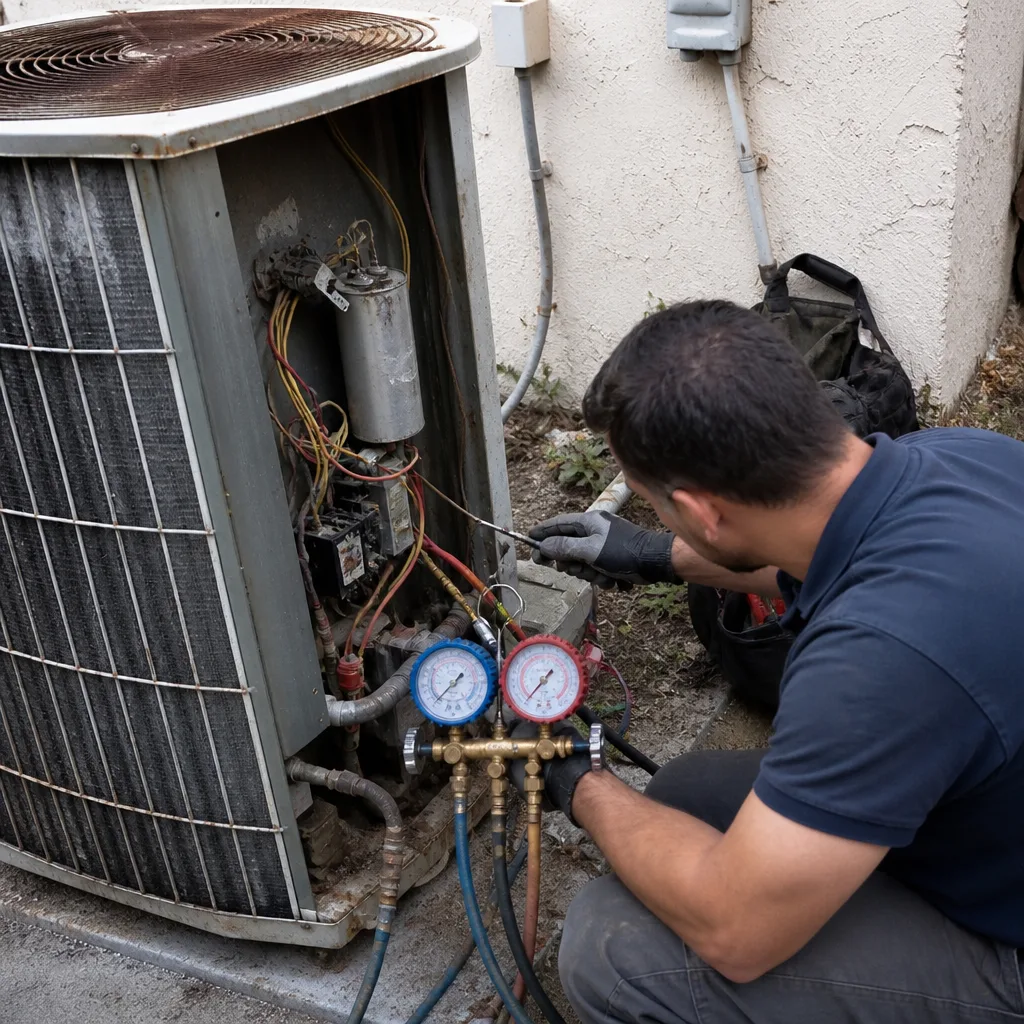 Before
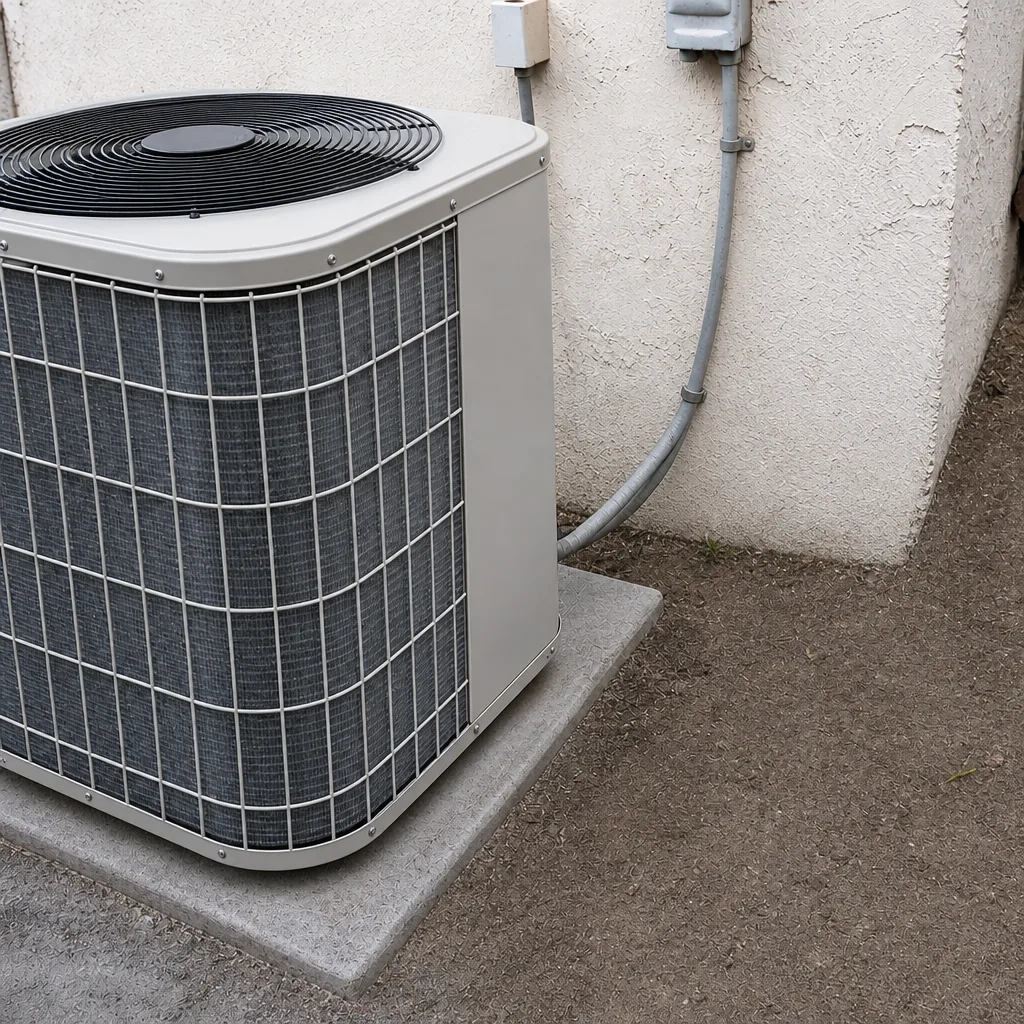 After
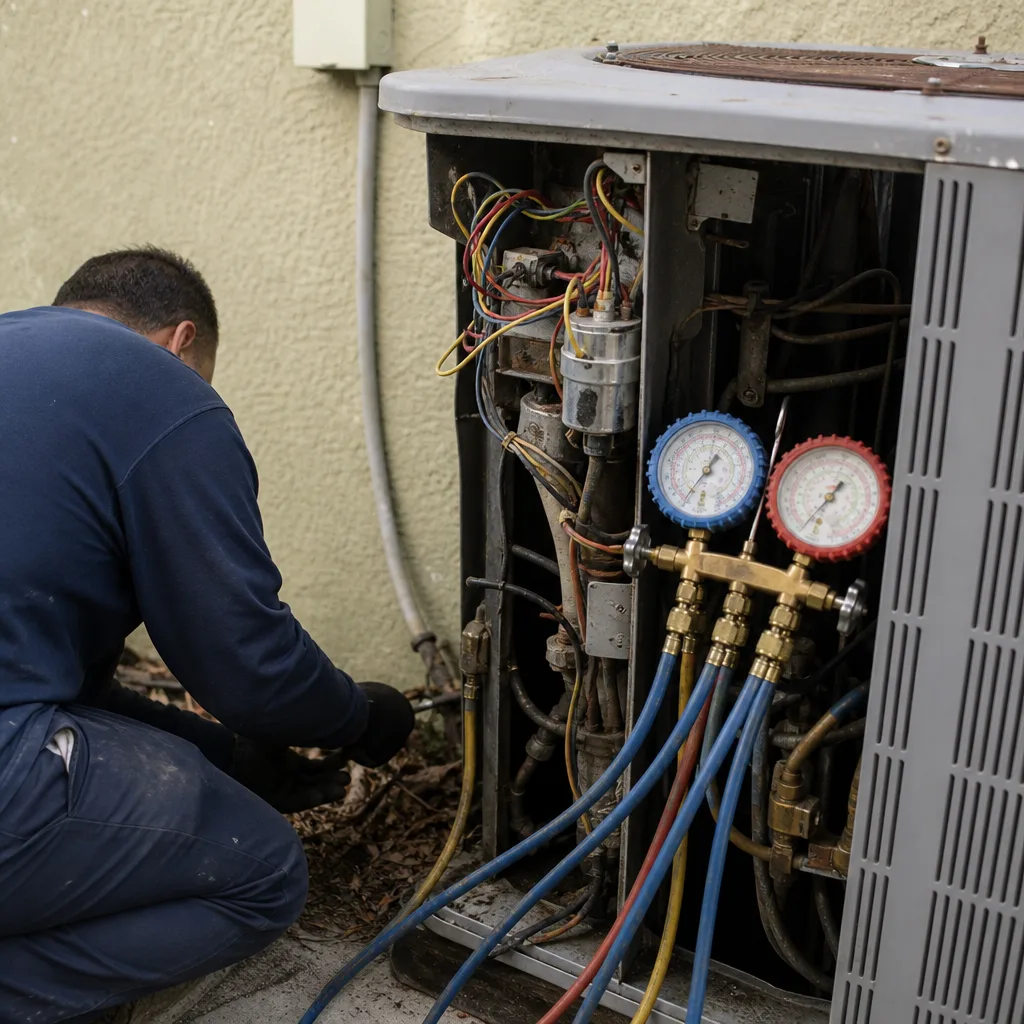 Before
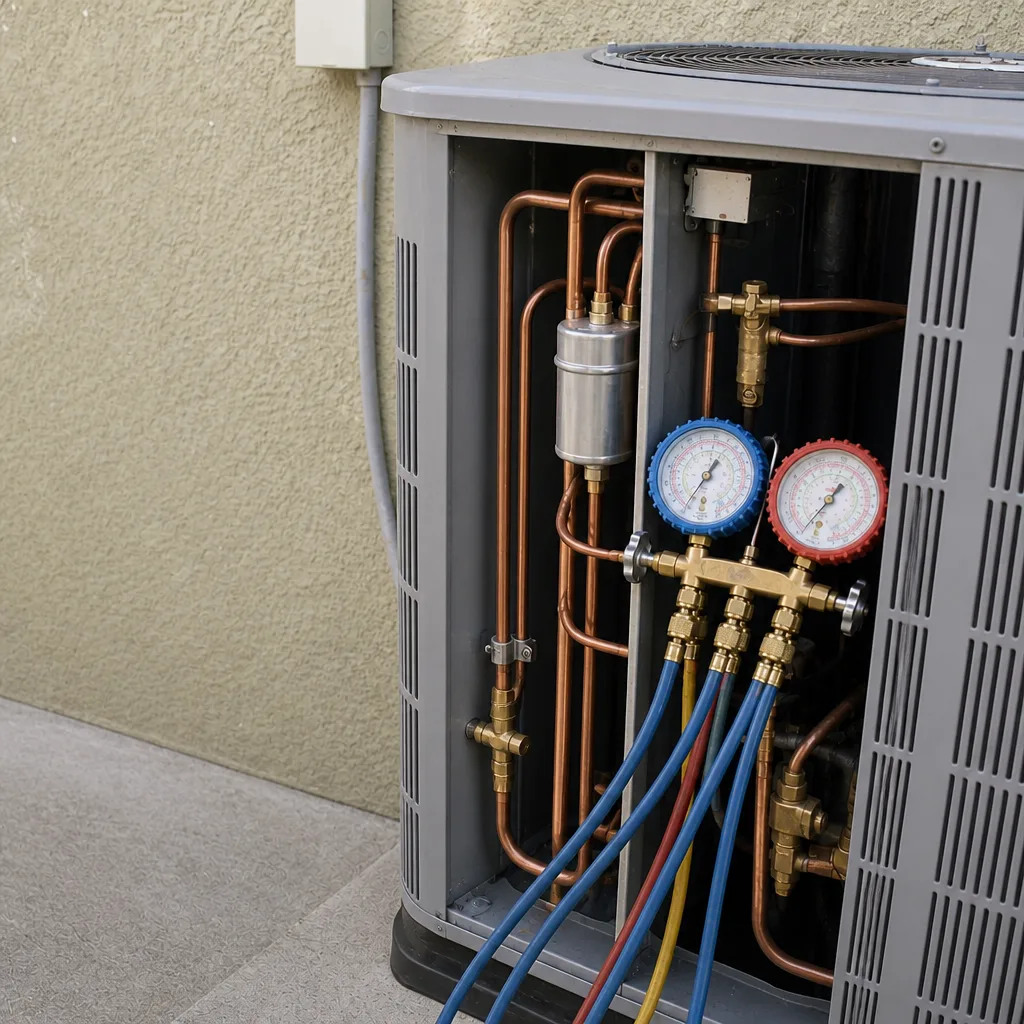 After
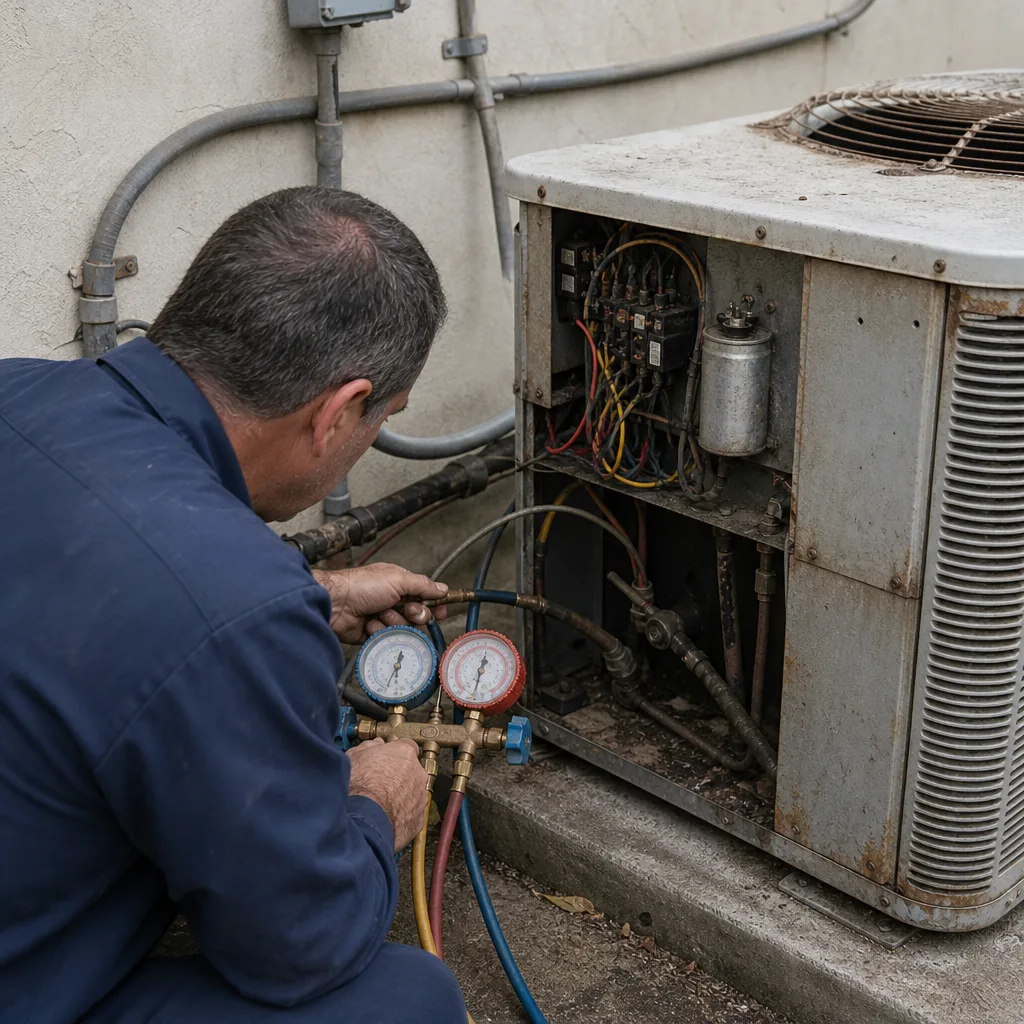 Before
 After
When to Call a Professional
Some HVAC problems are squarely a technician’s job, and it’s worth knowing which is which. Call a professional for: refrigerant leaks (handling refrigerant requires training and the right equipment), electrical issues beyond a tripped breaker, any noise from inside the outdoor unit, a drain that keeps backing up after you clear it, a system that trips a breaker more than once, an outdoor unit that won’t start, or any situation where you’re not comfortable checking the equipment yourself. When the system is failing and the house is hot, call sooner rather than later. Davie AC Repair offers free estimates in Davie and works on all nine brands. Call (833) 548-1941. We answer 24/7. Fast dispatch from 7am to 7pm, Sunday through Friday. Our technicians have up to 15 years of experience and we know your system, whether it’s a Goodman or a Trane.
Frequently Asked Questions
Check the thermostat mode and setting, the breaker, and the air filter before calling anyone. If the system hums, clicks, or smells strange, turn it off and call a technician rather than running it “for a test”. Call (833) 548-1941 for a free estimate once you’ve ruled out the basics. We answer 24/7, with fast dispatch from 7am to 7pm, Sunday through Friday.
An emergency is when the failure creates a safety or health risk: heat illness risk for elderly residents or pets, standing water that could damage the home, or a burning smell coming from the equipment. A system that simply isn’t cooling as well as it used to is a repair that can be scheduled. If you’re unsure, call and describe what you’re seeing. The person on the phone can help you decide whether to turn the system off and wait or treat it as urgent.
No – inspect the outdoor unit carefully before you turn it on. Debris packed into the coil, a bent fan blade, or water sitting around the base can turn a repairable problem into a compressor failure. Walk the unit, look for damage, and if anything looks off, call a technician before running it.
Because the first sustained heat is when a system runs flat out for the first time in months, and every small weakness shows up at once. A weak capacitor, a restricted filter, or a low refrigerant charge that was harmless in mild weather becomes a failure under full load. That’s why the mild weeks before are the best time to have a system checked – the problem is small and the schedule is open.
Yes, and it helps. Knowing whether you have a Carrier, Trane, Lennox, Goodman, Rheem, York, Daikin, Bryant, or American Standard system tells the technician what they’re working with before they walk in, and it tells you whether the company you’re calling actually services that brand. Any of these brands can be confirmed on the equipment label on the outdoor unit, usually on the side or back of the cabinet.
Ask for a written estimate before work begins, ask for the diagnosis in plain language, and be suspicious of anyone who recommends replacement before they’ve seen the equipment. A legitimate technician should be willing to explain what’s broken, what the options are, and what each costs. Call (833) 548-1941 for a free estimate from a brand-agnostic team. We answer 24/7, with fast dispatch from 7am to 7pm, Sunday through Friday.
The Bottom Line
HVAC emergencies in Davie aren’t random. They arrive in predictable windows – seasonal startup, storm aftermath, and peak humidity – and they almost always trace back to something that was quietly failing for weeks. The best preparation is simple: change filters, clear the outdoor unit, check the drain, inspect before running after a storm, and use the mild weeks to get ahead of problems. If the system does fail, protect the people first, then call. Davie AC Repair works on the system you already own, from a budget Goodman to a premium Trane. For a free estimate, call (833) 548-1941. We answer 24/7. Fast dispatch from 7am to 7pm, Sunday through Friday.
Written by the team at Davie AC Repair.