
Last updated November 15, 2026
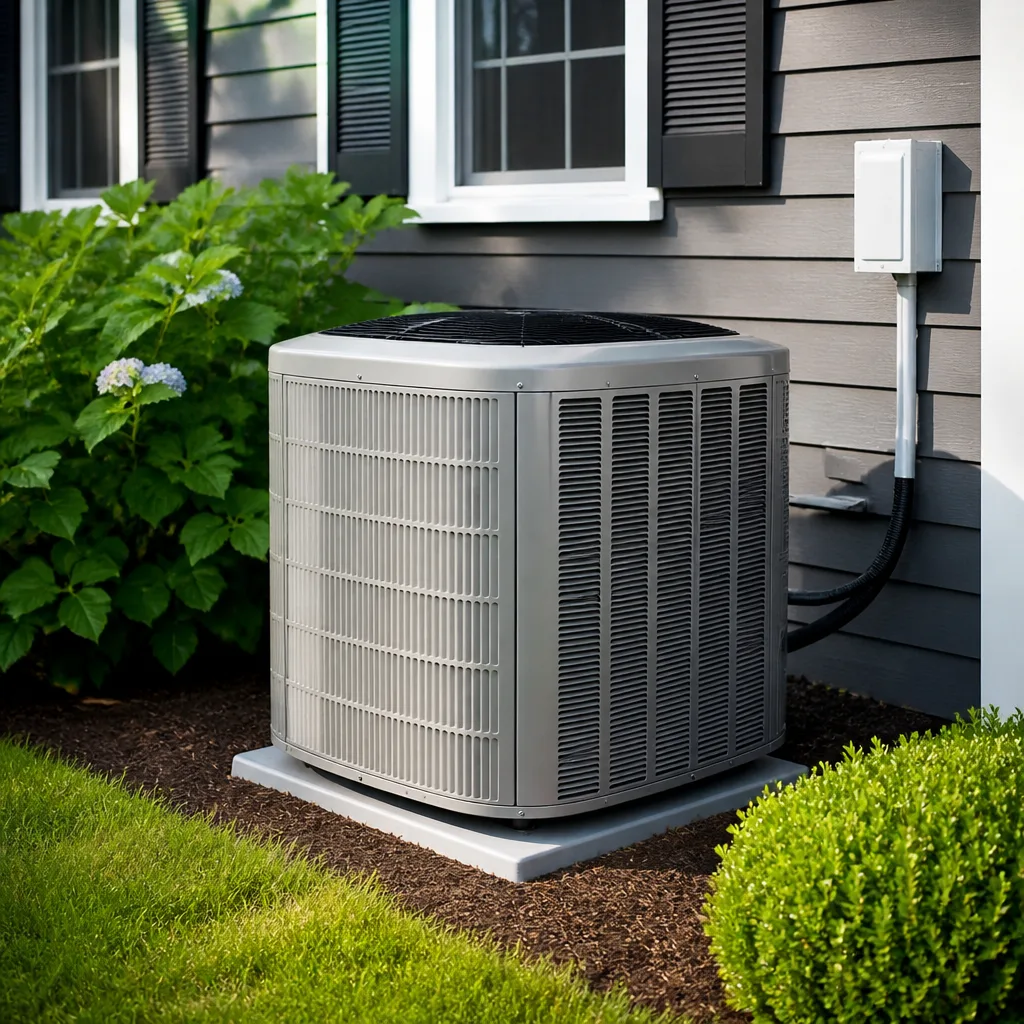 AC repair
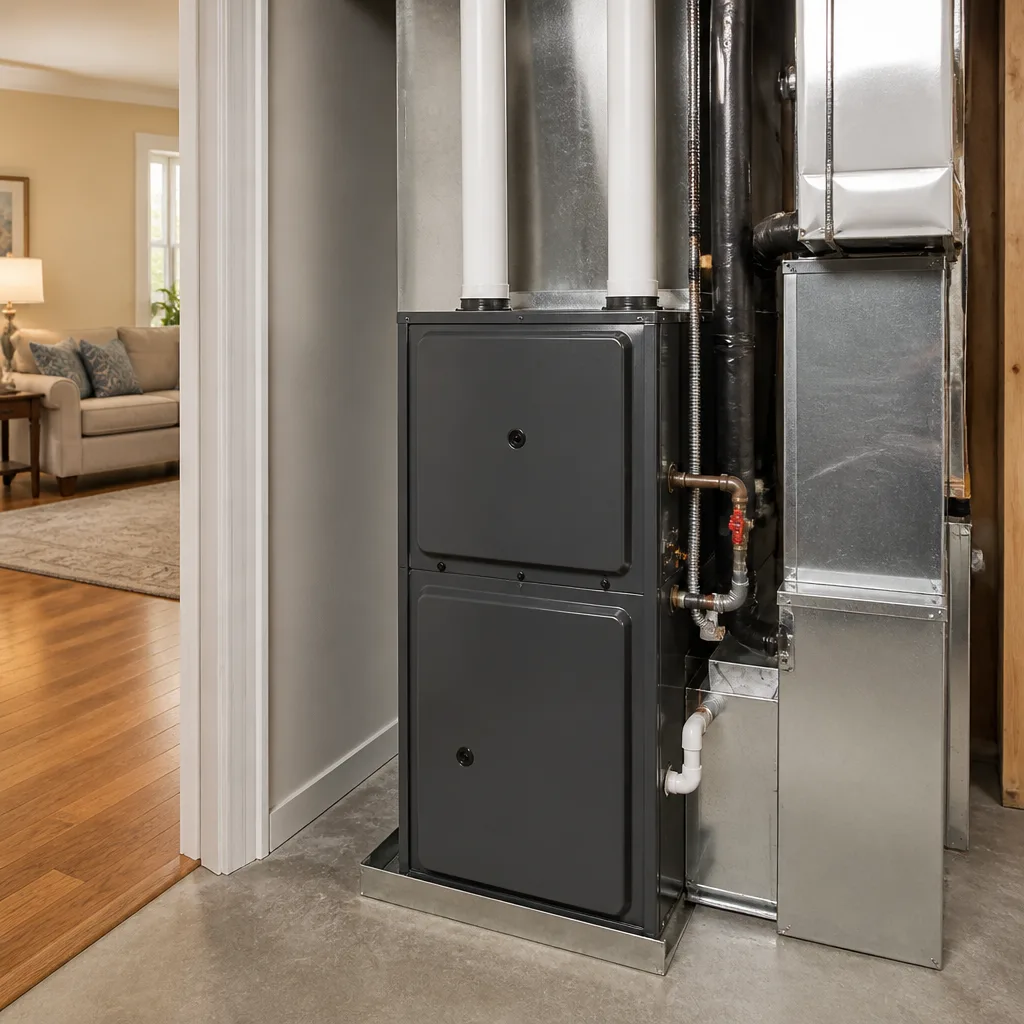 Furnace & heating
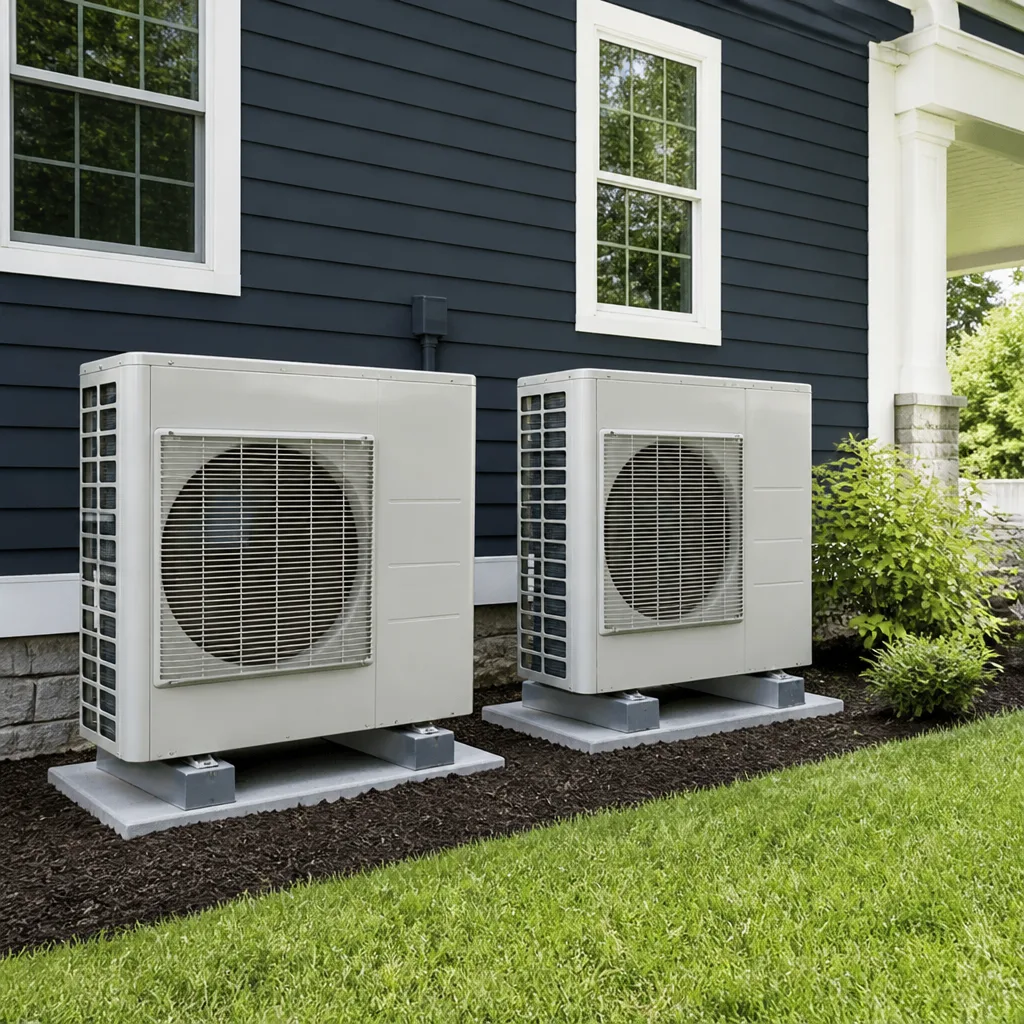 Heat pumps
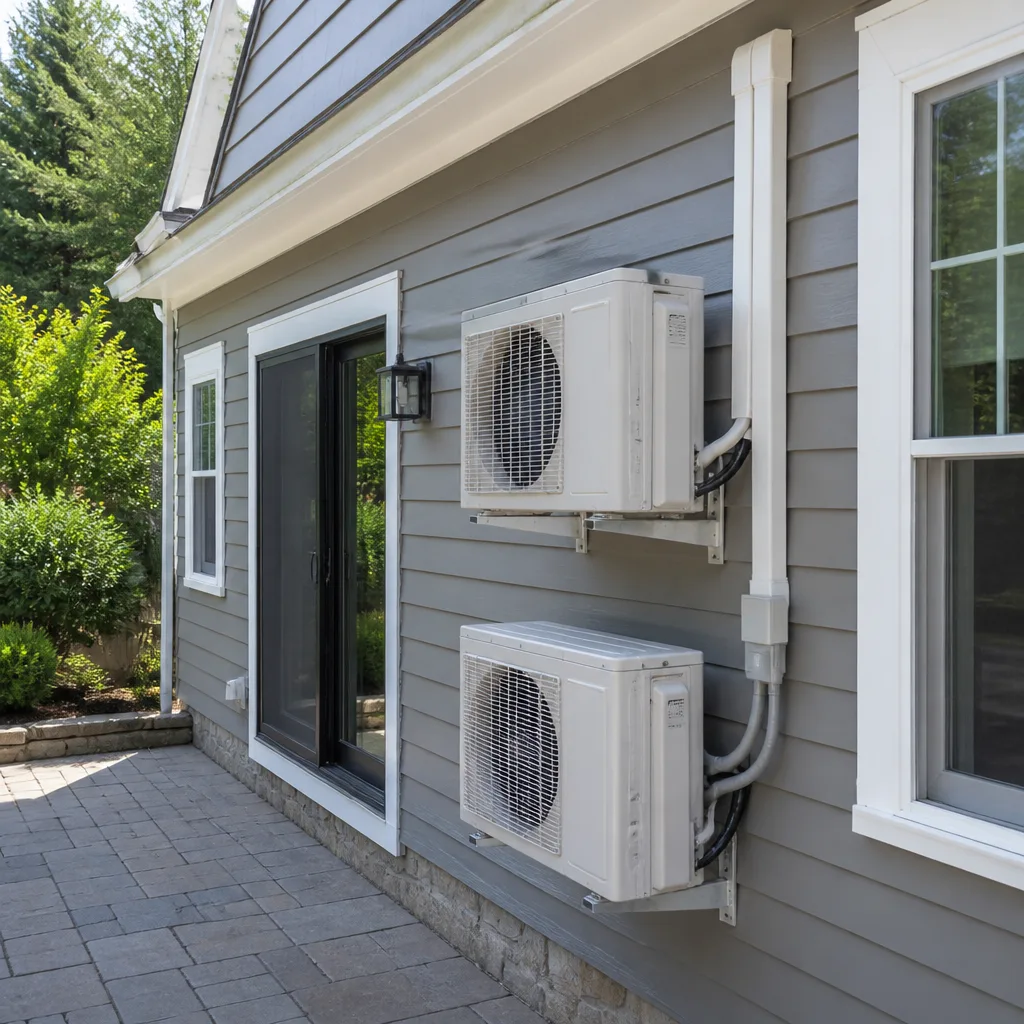 Ductless mini splits
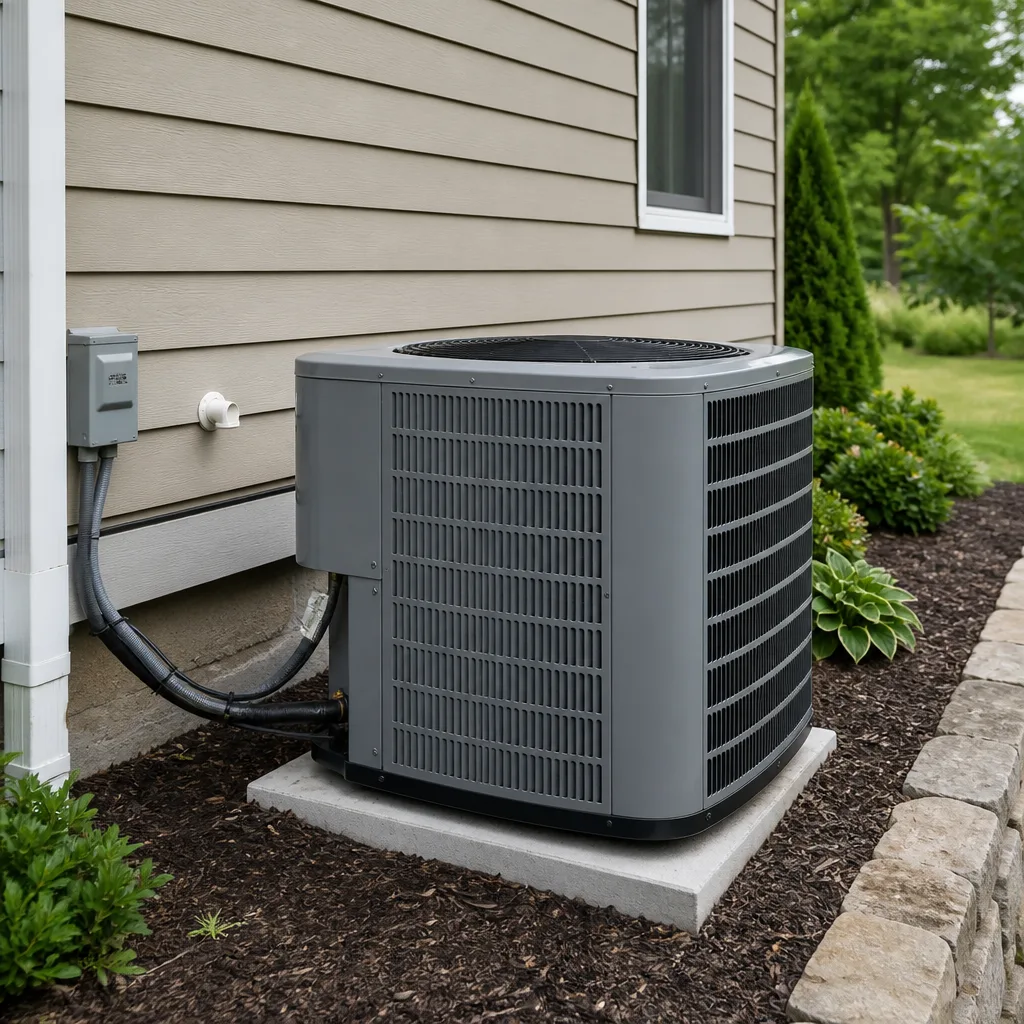 Carrier
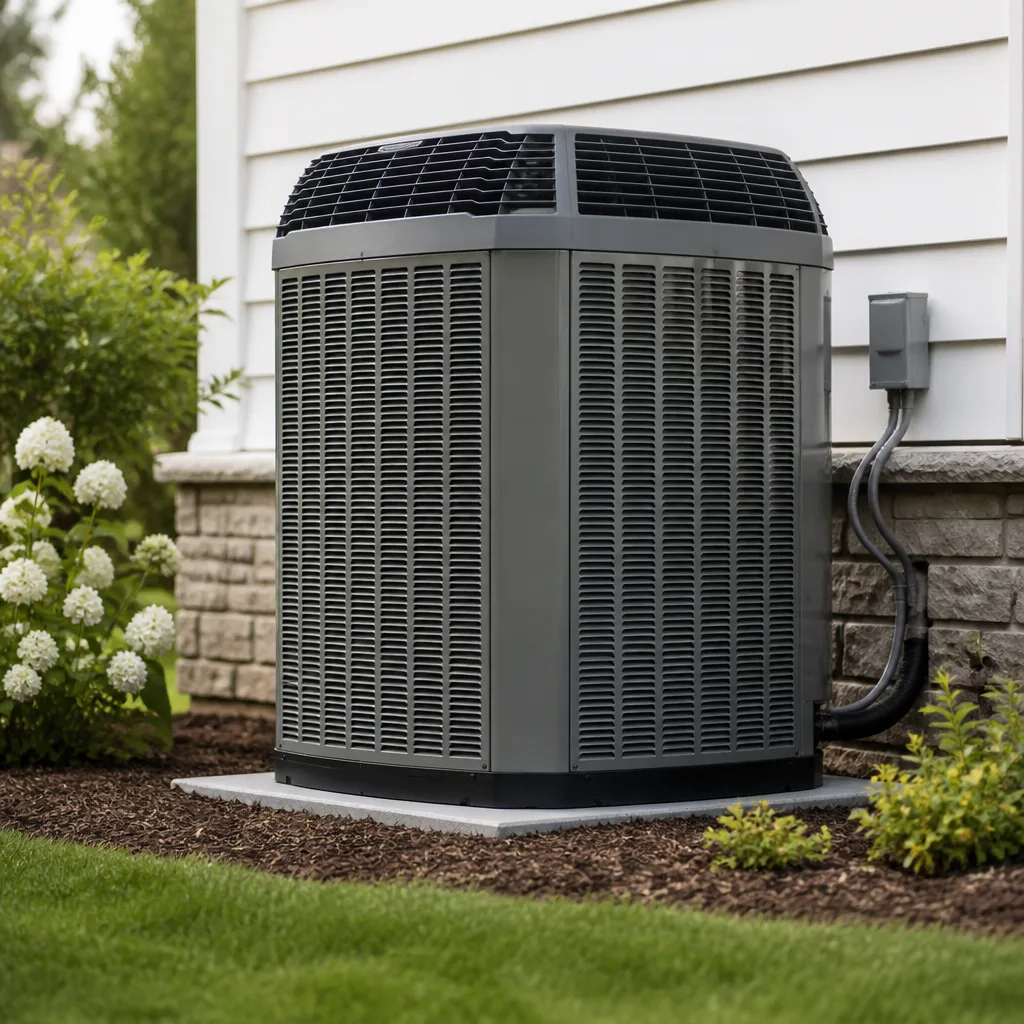 Trane
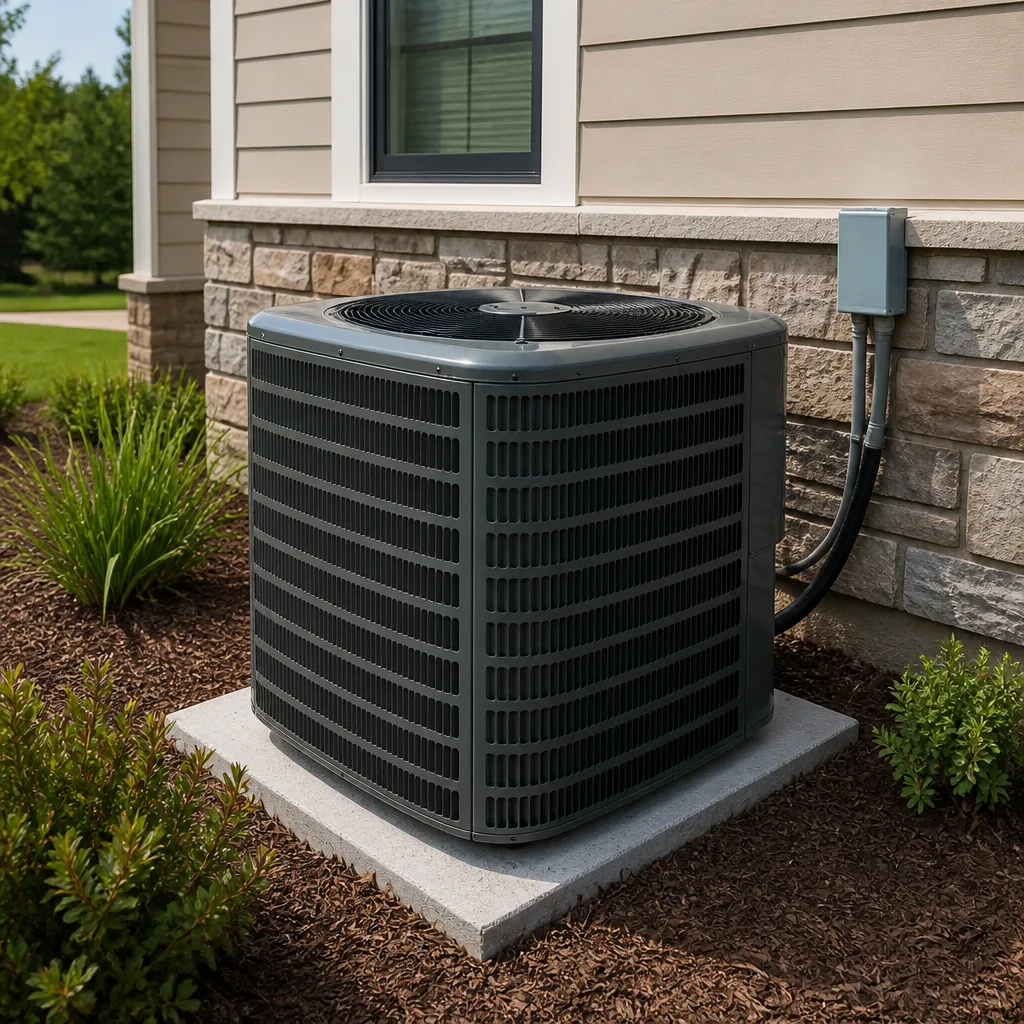 Goodman
Seasonal tune-up and full diagnostic on your Carrier, Trane, or Goodman system - readings shown to you before any repair is proposed
Diagnosis first, numbers second - you approve the repair price before a single part goes in.
Get your free estimateSeasonal HVAC Care for Davie: Year-Round Homeowner’s Guide
Most HVAC maintenance advice was written for a place with four seasons, and Davie doesn’t have four. It has a long cooling season that runs the system hard, a wet stretch that punishes drains and cabinets, and a short mild window when almost nothing is running. The mistake we see most often is homeowners treating October like the start of maintenance season because the weather finally cools. By then the peak has already done its damage, and the system that survived summer gets ignored through the very months when fixing it is easiest. This guide reframes the calendar around how Davie’s climate actually works, so you know what to check, when to check it, and why February and March matter more than the month the weather turns.
Styles & brands we work with
- AC repair
- Furnace & heating
- Heat pumps
- Ductless mini splits
- Carrier
- Trane
- Goodman
Quick Answer
The best time to schedule HVAC maintenance in Davie is February and March, before the cooling season ramps up, with a second look at the drain line and outdoor unit before the rainy months of June through November. Between those two windows, the dry stretch from December through February is when you address duct leaks and airflow problems without competing for a technician during peak demand.
Table of Contents
- The Two Davie Seasons That Actually Matter
- What “Shoulder Season” Really Means in South Florida
- Pre-Peak Prep: What Belongs in March and April
- Hurricane Season and the Long Cooling Load
- Using the Dry Season to Fix Airflow and Ducts
- The Full Task Calendar by Month
- Why Multi-Brand Knowledge Matters for Seasonal Care
- Common Mistakes to Avoid
- When to Call a Professional
- Frequently Asked Questions
- The Bottom Line
The Two Davie Seasons That Actually Matter
Davie lives in a subtropical climate, which means the calendar most maintenance schedules are built around doesn’t fit. You get a cooling season that starts early and lingers, and a wet season that overlaps most of it. The two mild months in between are real, but they’re short, and they’re the ones homeowners tend to waste.
Here’s the split, in plain terms:
- The pre-peak window (roughly February through April). The system isn’t under heavy load. Technicians have room in their schedules. Any part that’s going to fail under summer stress can be found and replaced before it does.
- The wet and hot stretch (roughly May through November). The system runs for long stretches, the outdoor unit bakes in the sun, and the condensate drain handles more moisture than it does at any other time of year. This is when hurricane season sits on top of peak cooling demand.
Everything else is a transition, not a season. Treating December or January as “winter prep” the way a northern guide would is a waste of a good opportunity, because those months aren’t about heating in Davie. They’re about catching up on the things the cooling season made worse: dirty coils, strained capacitors, slowed drains, and duct leaks that quietly inflated your bill all summer.
The other thing worth saying plainly: Davie homes tend to run their AC into the shoulder months anyway. Humidity doesn’t take October off. A system that sits idle for a few weeks and then starts again is not necessarily safer than one that ran straight through, because the first hot day after a break is often when a weak capacitor or a clogged drain announces itself. That’s part of why we treat Davie maintenance as a two-window job instead of a once-a-year visit.
What “Shoulder Season” Really Means in South Florida
Shoulder season in South Florida means lower runtime, not lower risk. The compressor may cycle less in January or February, but the humidity in the air doesn’t drop the way it does up north, so moisture still collects in the drain pan, on the evaporator coil, and inside the air handler cabinet. A system that’s running less is also a system that’s drying itself out less through normal operation.
That has a few practical consequences for a Davie homeowner:
- Drain lines don’t get a break. Less airflow through the system can mean less condensate moving through the line to flush it, so a drain that was marginal in August can clog in December. Algae growth in the line is a year-round issue here, not a summer one.
- Coil dirt doesn’t wash away. A coil that picked up dust and pollen during the cooling season sits with it through the mild months. When the load comes back, that layer of dirt is still there, now baked on a little harder.
- Short cycling hides weak parts. A capacitor on its way out may behave fine when the system runs for twenty minutes a day and fail the first time it has to run for four hours. The mild months are when that weakness is easiest to find, because the technician isn’t fighting a system that’s already hot and struggling.
In our experience, the shoulder months are the best diagnostic window of the year. A technician who checks a system in February sees how it behaves when demand is low, which makes it easier to spot the parts that won’t hold up under summer conditions. That’s the real value of a pre-season visit, and it’s why we recommend it for anyone with a AC installation approaching the end of its comfortable working life.
One more note on timing: humidity in Davie means a system that’s low on refrigerant or has a restricted coil can ice up even in mild weather. If you see frost on the indoor coil or the refrigerant lines during the shoulder months, that’s not a quirk of the season. It’s a sign something needs attention.
Pre-Peak Prep: What Belongs in March and April
March and April are the months when the work is both easiest and most useful. The cooling season hasn’t fully arrived, technicians aren’t buried, and there’s still time to order a part or schedule a repair before the first stretch of heavy heat. If you do one maintenance visit a year in Davie, this is when it should happen.
Here’s what a pre-peak visit should actually cover:
- Coil cleaning. The evaporator coil and the outdoor condenser coil both get cleaned before the system goes under load. A dirty condenser coil makes the compressor work harder in exactly the weather when it’s already working hardest.
- Capacitor testing. A capacitor is one of the cheapest parts in the system and one of the most common causes of a summer no-cool call. Testing it in March means a weak one gets replaced before it strands you in July.
- Drain line flush. The condensate drain and pan get cleared and checked before the wet season adds more moisture to the equation. A slow drain in March becomes a water-damaged ceiling in August if nobody looks at it.
- Refrigerant charge check. A charge that’s a little low in spring will be noticeably low by midsummer. Checking it before the heat gives you a clear picture and avoids a surprise mid-season.
- Airflow inspection. Filter condition, return sizing, and blower condition all get checked while the system is quiet. Restricted airflow is easier to diagnose when the system isn’t fighting a full cooling load.
We also like the pre-peak window because it leaves room to act. If a technician finds a blower motor that’s getting noisy or a contactor that’s pitted, there’s time to get the part and schedule the repair without the pressure of a house that’s already 88 degrees inside. Scheduling the same visit in June instead means you’re competing with every other Davie homeowner whose system quit on the same hot afternoon.
If your system is older and you’re weighing whether to keep repairing it, this is also the right time of year to get a straight assessment rather than an emergency recommendation. The pre-peak visit tells you what condition the system is actually in when it’s not overheated and panicking.
Hurricane Season and the Long Cooling Load
Hurricane season in Florida runs June through November, and in Davie it overlaps almost exactly with the heaviest cooling demand of the year. That overlap is the reason the wet season deserves its own maintenance check, separate from anything you did in spring. The system is running long cycles in high heat while the air around it is saturated.
What matters most during this stretch:
- The drain system is under maximum load. Higher humidity means more condensate, which means a drain that was fine in March can clog mid-summer. Flushing it before the wet season starts is cheaper than repairing water damage.
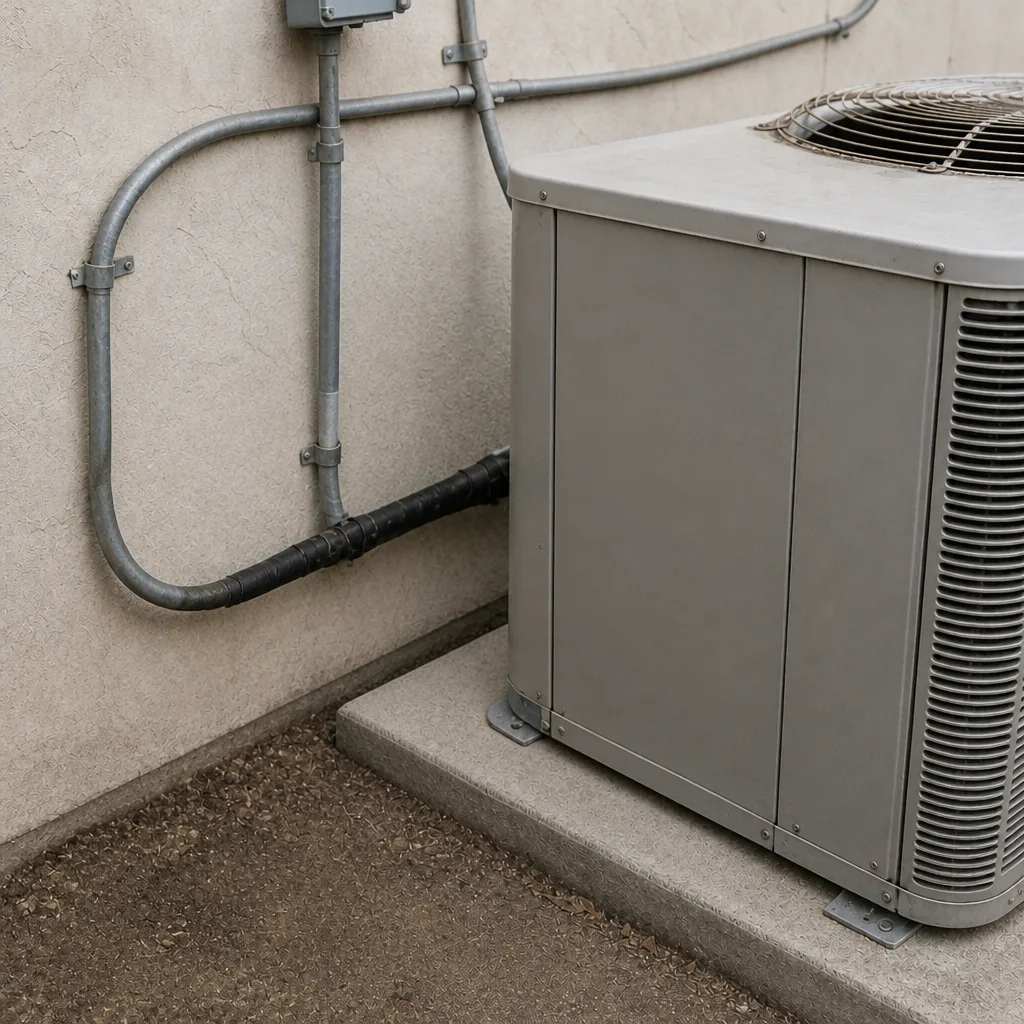
- The outdoor unit is exposed to sun and debris. Yard debris, pollen, and the general dirt of a long cooling season all find their way into the condenser fins. Keeping the area around the unit clear helps it shed heat.
- The air handler cabinet stays damp. In a humid climate, a cabinet that isn’t sealed well can grow biological growth on the coil and pan. This is a year-round issue in Davie, and it gets worse when the system is running constantly.
- Long runtimes expose weak parts. A capacitor, contactor, or blower motor that passed a spring test can still fail under a summer of continuous operation. That’s not a maintenance failure; it’s just how wear works.
If your system stops cooling during this stretch, that’s the moment to call rather than wait it out. A house that loses cooling in a Davie summer can get uncomfortable fast, and heat is a genuine health concern for older adults and young children. We answer 24/7, and fast dispatch from 7am to 7pm Sunday through Friday gets a technician out to diagnose the problem rather than guess at it over the phone.
The other reason to keep up with care during the wet season: a system that’s struggling to keep up is often a system that’s low on refrigerant or dirty at the coil, and those conditions make it run longer and work harder than it should. Catching them mid-season is cheaper than replacing a compressor at the end of it.
Using the Dry Season to Fix Airflow and Ducts
December through February is Davie’s dry stretch, and it’s the best time of year to take on the projects that are awkward to schedule during peak cooling season. Duct leaks and airflow problems are the clearest example. You can address them in winter without leaving the house without cooling on a 95-degree afternoon.
Why this window works well:
- The system isn’t under load. A technician can test airflow and static pressure without the system fighting a heavy cooling demand, which makes the readings cleaner and the diagnosis more reliable.
- There’s no emergency premium in the schedule. Winter work isn’t competing with summer no-cool calls, so a duct repair or air handler adjustment can be scheduled at a normal pace and done properly.
- You get the benefit before summer. Sealing leaks and correcting airflow in January or February means the cooling season starts with a system that isn’t losing conditioned air into the attic.
- It’s a good time to check the air handler location. Many Davie homes have the air handler in the attic or a closet, and a technician can inspect the cabinet, insulation, and connections while the space isn’t sweltering.
Airflow problems are easy to ignore because they don’t announce themselves the way a dead compressor does. They show up as rooms that never quite cool, a system that runs longer than it should, or a bill that creeps up year after year. Those are the symptoms worth investigating in the dry season, when fixing them is straightforward instead of urgent.
This is also a sensible time to think about the bigger picture. If your system is aging and the winter inspection turns up several issues at once, you’ll have a clear picture of whether repair still makes sense or whether it’s time to plan for replacement. We’d rather tell you that in February than in July, when the answer is harder to hear. If replacement does make sense, furnace repair and heating work can be assessed in the same visit, since Davie homes do run heat on the occasional cold morning.
The Full Task Calendar by Month
Here’s the calendar we’d hand a Davie homeowner if they asked what to do and when. It’s built around the actual climate rhythm, not a northern template.
- December through February (dry season): Duct inspection and sealing, airflow and static pressure testing, air handler cabinet check, and a general assessment of whether the system is worth keeping. This is project season, not emergency season.
- February and March (pre-peak): Full maintenance visit. Coil cleaning, capacitor testing, drain flush, refrigerant charge check, and filter replacement. This is the single most valuable visit of the year.
- April: Final pre-season check if you didn’t do one in February or March. Confirm the outdoor unit is clear of debris and the thermostat is set up for cooling.
- May: Drain line check before the wet season fully arrives. Confirm the condensate line is flowing freely and the pan is dry.
- June through November (hurricane and cooling season): Keep the filter clean, keep the outdoor unit clear, and watch for water around the air handler. Call if cooling falters; don’t wait for the season to end.
- Any month: Change the filter on schedule. In Davie, a filter that lasts three months in a mild climate may need changing more often during the heavy cooling season.
If you only remember two dates, remember these: a maintenance visit in February or March, and a drain check in May before the rains settle in. Those two touchpoints cover most of what actually goes wrong with a Davie HVAC system over a year. Everything else is good housekeeping.
Why Multi-Brand Knowledge Matters for Seasonal Care
Seasonal care is only as good as the technician’s familiarity with your specific equipment. A Goodman condenser and a Trane system don’t fail in exactly the same way, and the maintenance tasks that matter most can differ by manufacturer. A technician who works on one brand all day may not know the quirks of yours, and that’s a real limitation when the goal is catching problems before they become emergencies.
We’re certified to install and repair nine major brands, including Carrier, Trane, Lennox, and Goodman, and that range matters for seasonal work. It means we can look at a budget-tier system and a premium high-efficiency system and recommend the right maintenance for each, rather than steering you toward the one brand we happen to sell. Whether it’s a Goodman or a Trane, we know it, and the maintenance plan should reflect what the equipment actually needs.
That brand-neutral stance is the whole point of how we work. There are no exclusive dealer agreements on our end, so the recommendation comes from the condition of your system, not from an incentive to push a particular manufacturer. When a pre-peak inspection turns up a capacitor that’s testing weak, we replace the capacitor. We don’t use a maintenance visit as a reason to quote a full replacement you didn’t ask for.
It also means one call covers both systems. Davie homes run cooling almost all year and heat on the occasional cold morning, and a company that handles AC installation, furnace repair, and furnace replacement under one roof saves you from coordinating two contractors for what is really one climate control system. Davie AC Repair is built around that idea: nine brands, two systems, one call.
Common Mistakes to Avoid
- Waiting for October to do maintenance. By the time the weather cools in Davie, the peak season has already stressed the system. The useful visit is in February or March, before the load arrives, not after.
- Skipping the drain check before the wet season. A drain that’s slow in May becomes a water-damage repair in August. Flushing the line before the rains is one of the cheapest things you can do all year.
- Assuming a mild month means a safe system. Lower runtime doesn’t mean lower risk. Humidity still sits in the cabinet and the drain line, and a weak capacitor can hide until the first long cooling cycle.
- Ignoring airflow problems because the house still cools. Rooms that never quite get comfortable and a bill that creeps up are signs of duct or airflow issues. The dry season is the right time to address them, before they turn into a summer emergency.
- Letting a technician talk you into replacement during a pre-season visit. A maintenance visit should produce a report of what was found, not a same-day replacement pitch. If a recommendation doesn’t match the readings, ask for the readings.
- Replacing a filter too rarely during the cooling season. A filter that’s fine in a mild month can clog faster when the system runs long cycles. Check it monthly during the heavy season and replace it when it’s visibly loaded.
- Forgetting the outdoor unit. Debris around the condenser restricts airflow and makes the system work harder. Keeping the area clear is a five-minute task with real payback in a Davie summer.
When to Call a Professional
Some seasonal tasks are homeowner jobs: changing the filter, clearing debris from around the outdoor unit, and keeping an eye on the drain pan. Others belong with a trained technician, especially anything involving refrigerant, electrical components like capacitors and contactors, or the sealed refrigeration circuit. Those aren’t do-it-yourself jobs, and treating them that way risks injury and makes the problem worse.
Call a professional if you see frost on the indoor coil or refrigerant lines, if the system short cycles, if water appears around the air handler, if cooling is noticeably weaker than it was last season, or if a pre-season inspection turns up issues you don’t fully understand. If your system is older and you’re unsure whether repair still makes sense, a professional assessment is worth more than another season of guessing. Davie AC Repair offers free estimates in Davie; call (833) 548-1941. We answer 24/7, and fast dispatch from 7am to 7pm Sunday through Friday gets a technician to your door. Our technicians have up to 15 years of experience, and the written estimate sets the final price.
Frequently Asked Questions
February and March are the best months because the system isn’t under heavy load and there’s still time to fix anything found before the cooling season arrives. A second, lighter check before the wet season in May covers the drain line. Scheduling in October misses the point, since the peak has already passed.
Two touchpoints are ideal: a full maintenance visit in February or March, and a drain check before the wet season. If you only do one, do the pre-peak visit. The May drain check is cheap and prevents the most common water-damage problem we see in Davie.
No. Lower runtime in Davie doesn’t mean lower humidity, and moisture still collects in the drain pan and cabinet. Winter is actually the best time to address duct leaks and airflow problems, because the work can be done without leaving the house without cooling during peak heat.
Coil cleaning on both the evaporator and condenser, capacitor testing, a drain line flush, a refrigerant charge check, and an airflow and filter inspection. Those five items cover the failures that show up most often once the heavy cooling season starts.
Yes, in a gradual way. A system that runs less dries itself out less, so moisture lingers on the coil and in the drain pan, and a marginal drain can clog even in mild weather. If you notice water near the air handler or a musty smell, call rather than wait for summer.
Repair makes sense when the system is otherwise sound and the issue is isolated, like a weak capacitor or a clogged drain. Replacement makes sense when several problems show up at once on an aging system. A pre-season inspection tells you which situation you’re in. Call (833) 548-1941 for a free estimate, and the written estimate sets the final price.
The Bottom Line
Davie’s climate doesn’t fit a four-season maintenance schedule, and treating it like one means doing the right work at the wrong time. The two months that matter most are February and March, when a pre-peak visit catches weak parts before the cooling season stresses them. The wet stretch from June through November needs its own drain check, and the dry season from December through February is the best window for duct and airflow work. Skip the October maintenance habit, keep the filter clean, and call when something looks wrong rather than waiting for the season to end. If you’re not sure where your system stands, a maintenance visit in the right month tells you more than any guess.
Call (833) 548-1941 for a free estimate. We answer 24/7, with fast dispatch from 7am to 7pm, Sunday through Friday.
Written by the team at Davie AC Repair.
See the difference
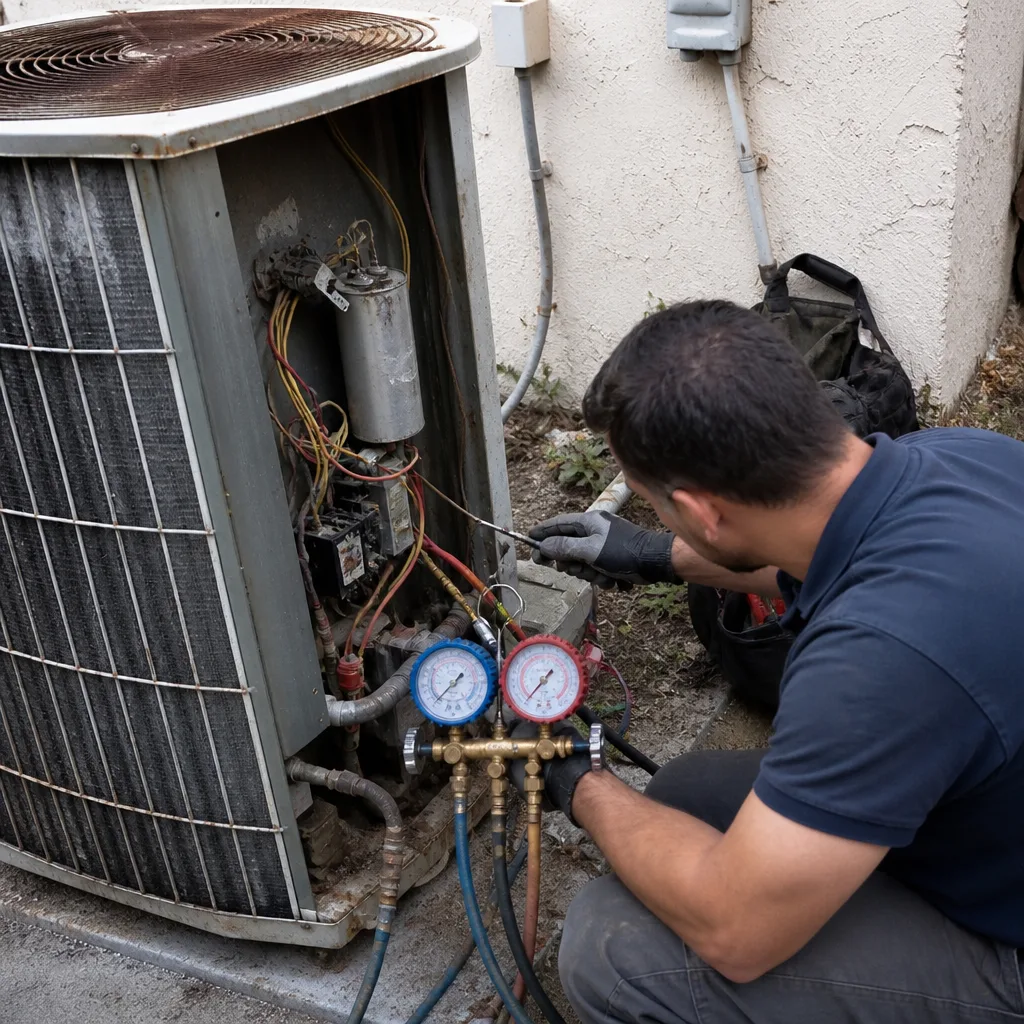 Before
 After
 Before
 After
 Before
 After