
Last updated November 15, 2026
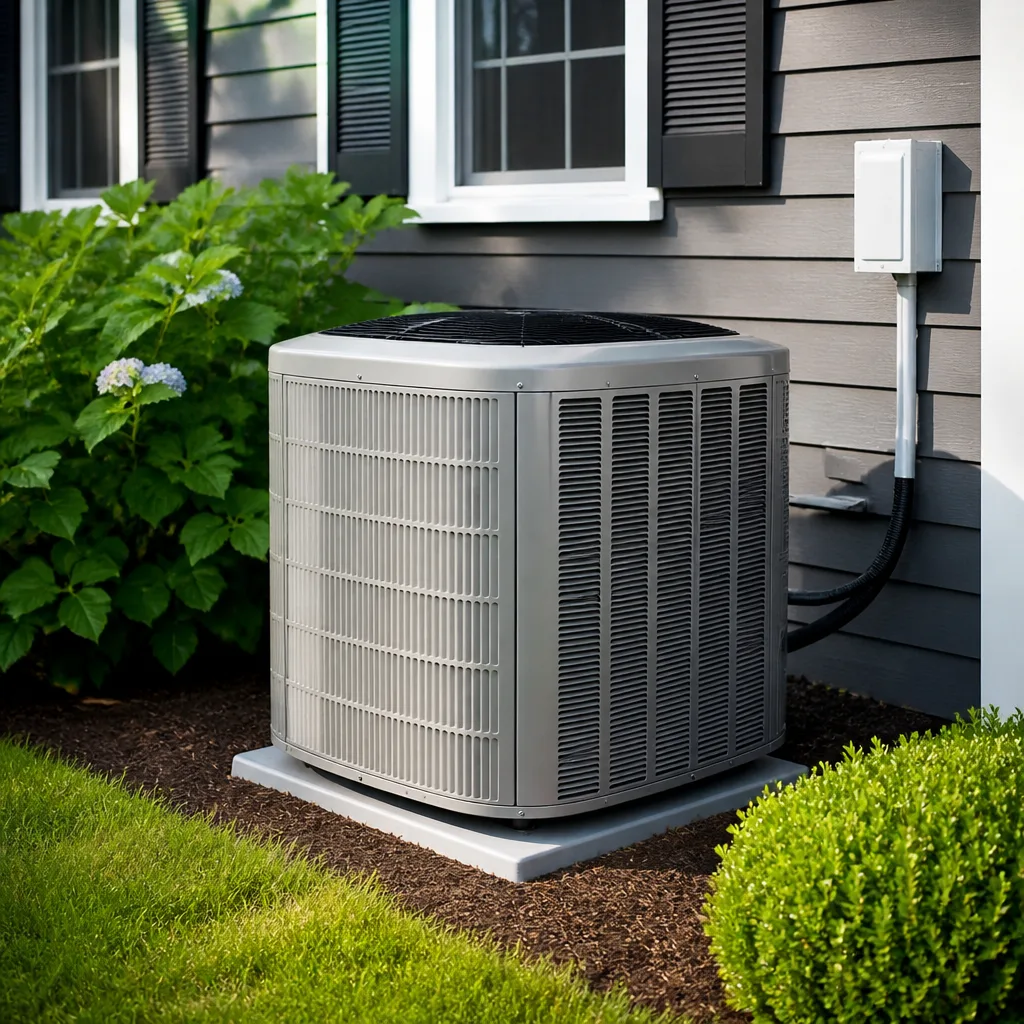 AC repair
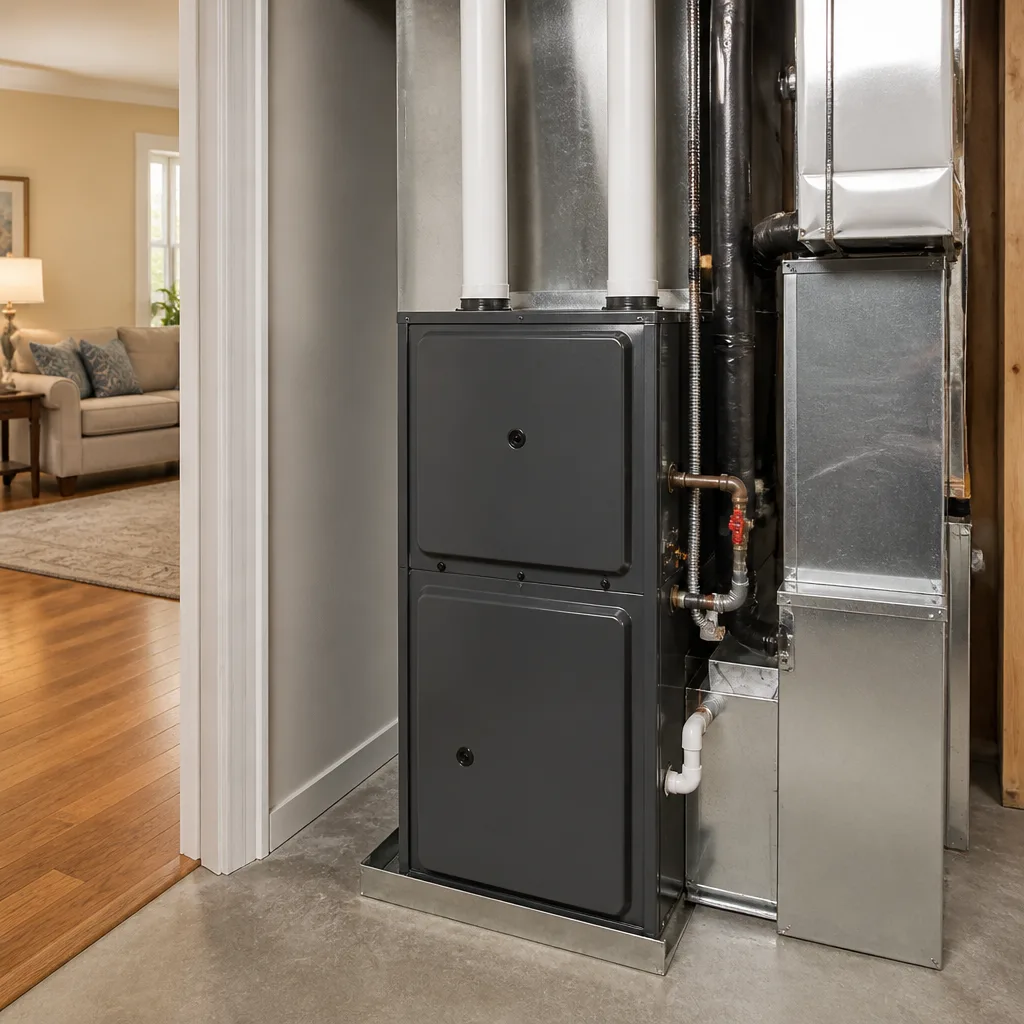 Furnace & heating
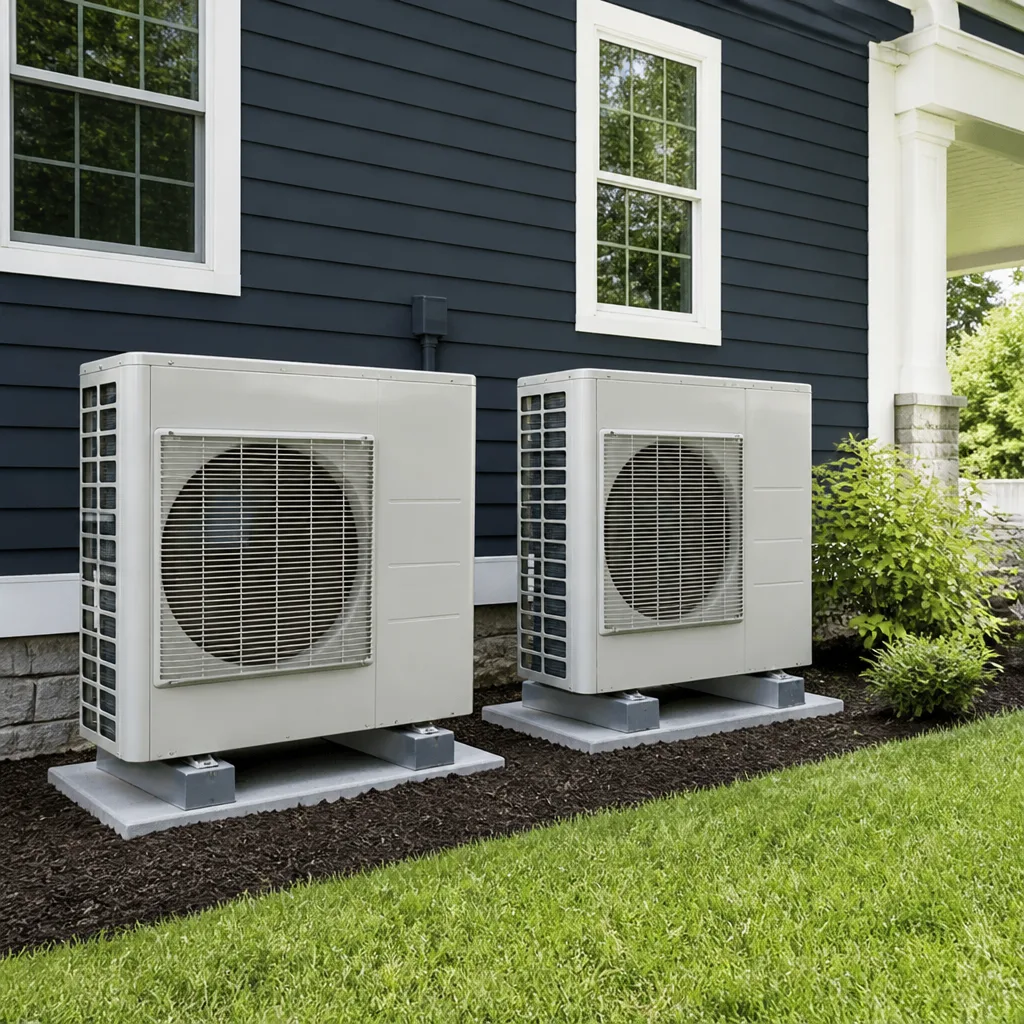 Heat pumps
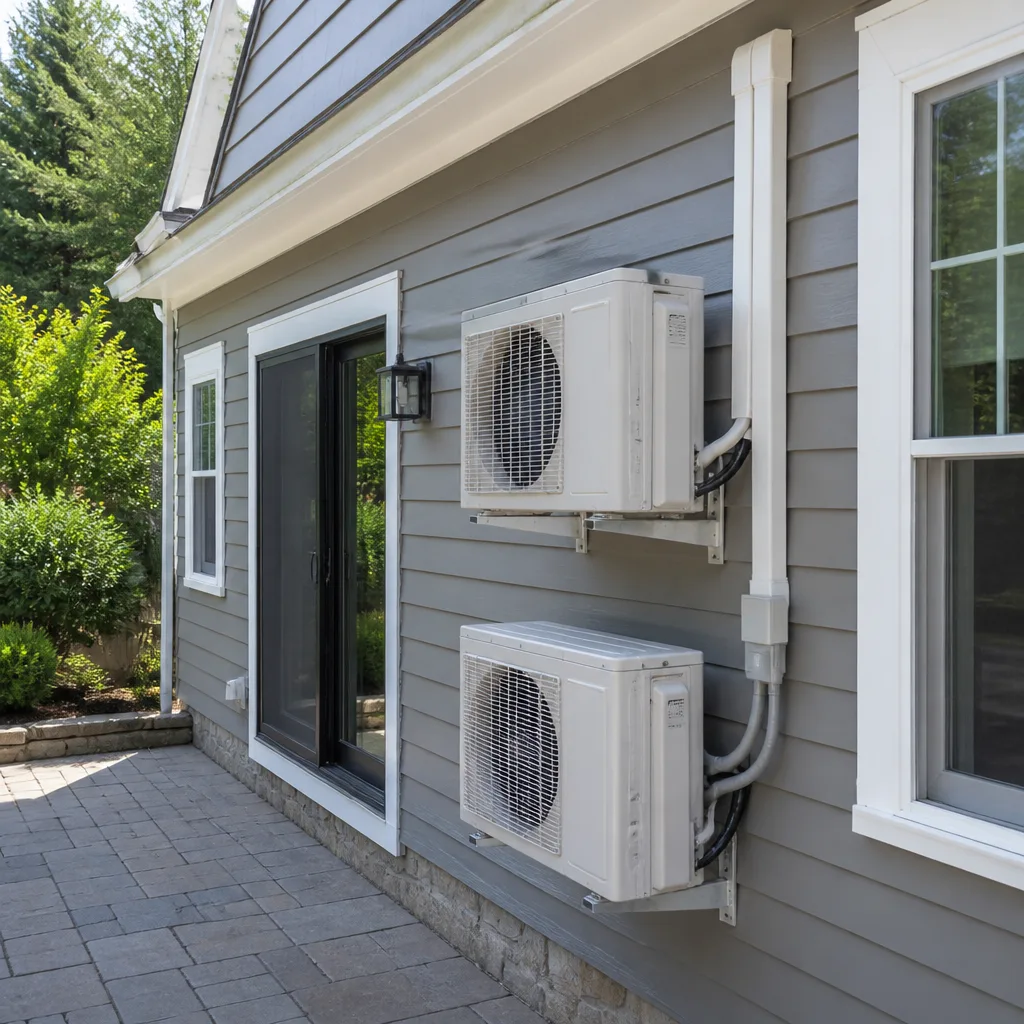 Ductless mini splits
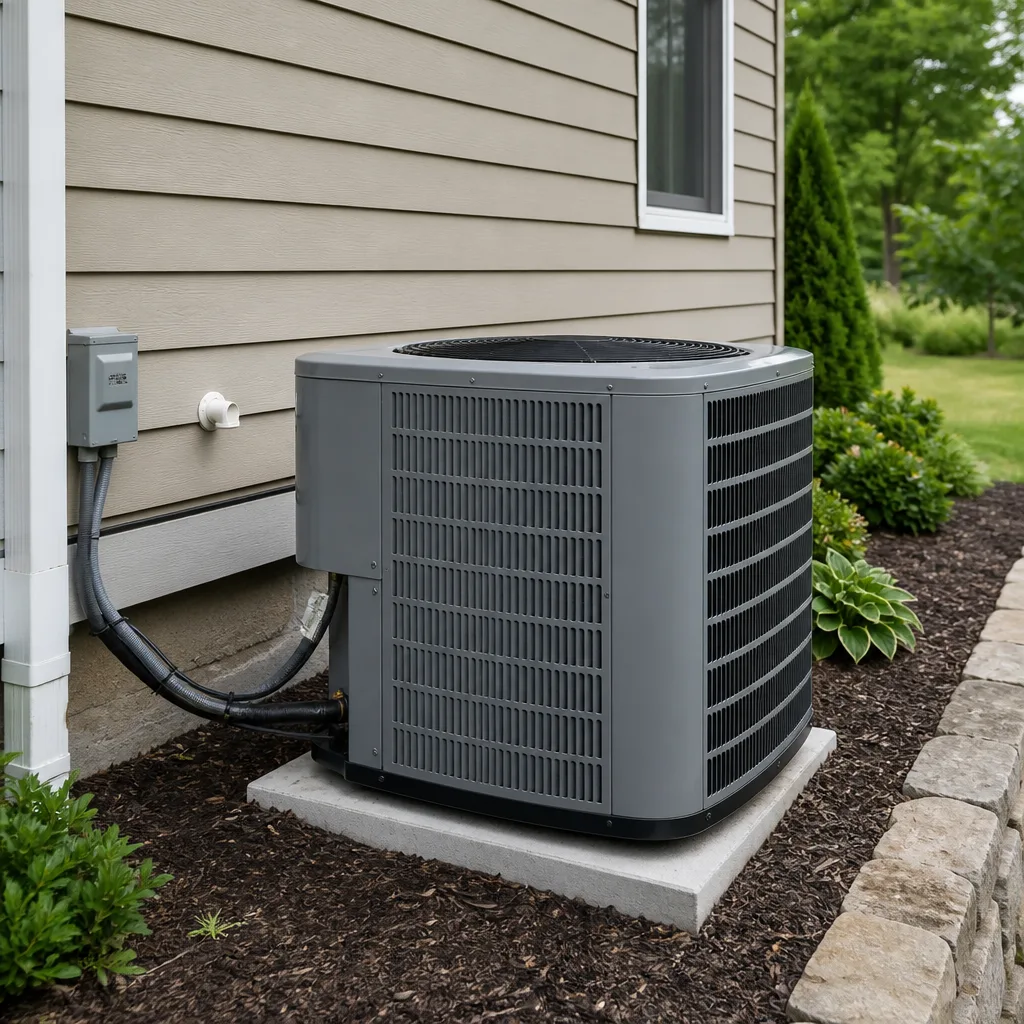 Carrier
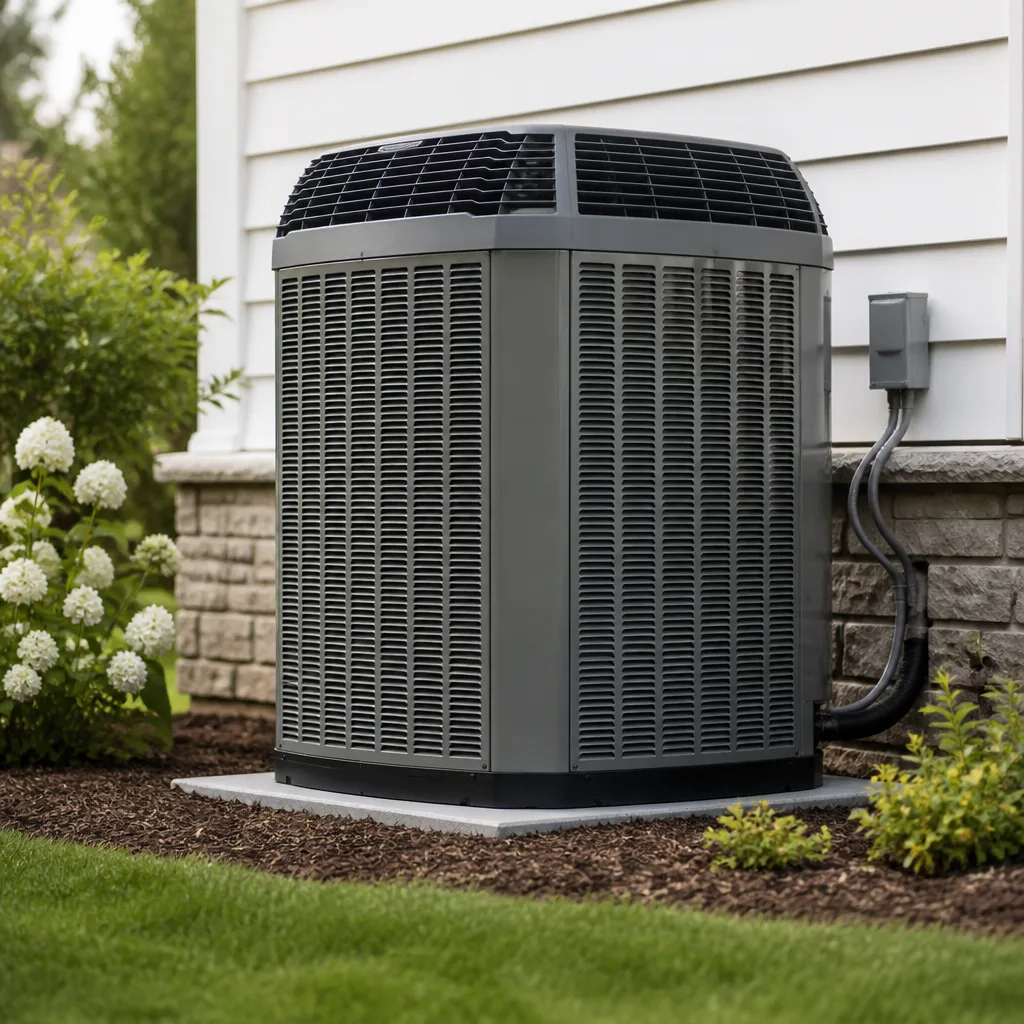 Trane
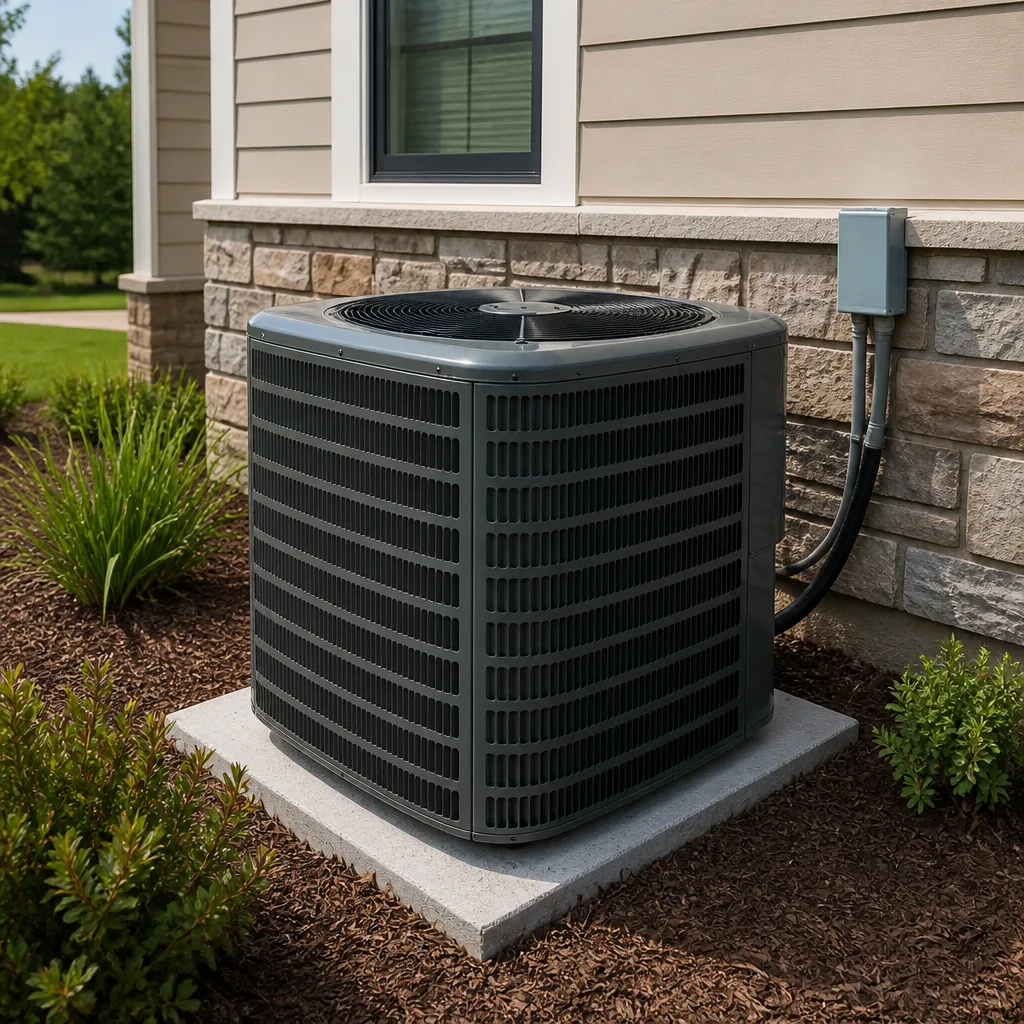 Goodman
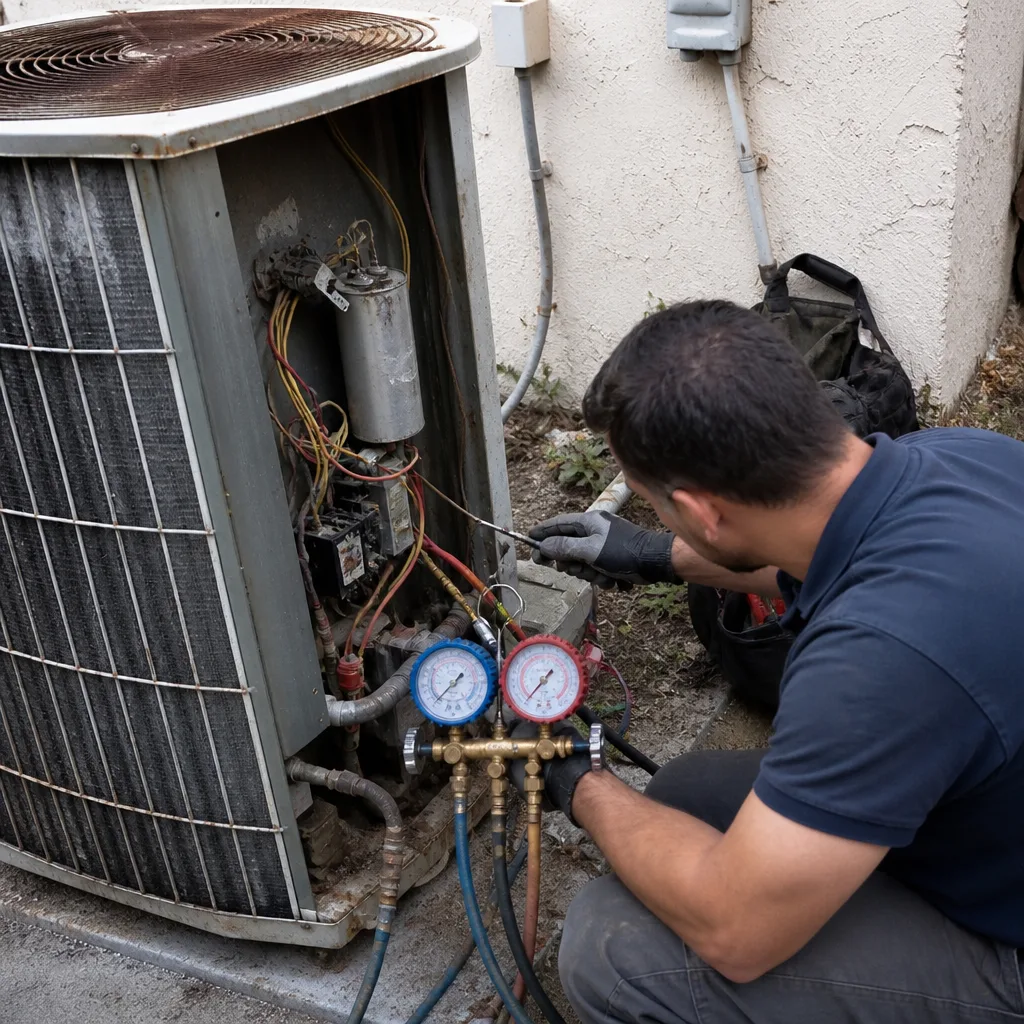
Seasonal tune-up and full diagnostic on your Carrier, Trane, or Goodman system - readings shown to you before any repair is proposed
Diagnosis first, numbers second - you approve the repair price before a single part goes in.
Get your free estimateHow to Hire an HVAC Contractor in Davie: A Step-by-Step Guide
A contractor can be fully licensed, carry a strong reputation, and still be the wrong person to hire. If a company sells two brands and your home needs a third, the recommendation you get is shaped by what they stock, not by what your house actually requires. The fastest way to end up with the wrong system in Davie is to assume a license and a good name are enough. This guide teaches you to audit what a contractor is incentivized to sell, alongside the usual credential checks. You’ll learn how to read brand ties, demand a real load calculation, and compare quotes on equal footing.
Quick Answer
To hire an HVAC contractor in Davie, verify their license type (CAC or CMC), ask which brands they install versus which they only service, and confirm they’ll perform a Manual J load calculation before quoting new equipment. A trustworthy contractor gives you a written, line-item estimate with real model numbers. Compare bids only after checking each one includes the same permit fees and the same performance specs.
Styles & brands we work with
- AC repair
- Furnace & heating
- Heat pumps
- Ductless mini splits
- Carrier
- Trane
- Goodman
Table of Contents
- Step 1: Check the License Type, Not Just the License
- Step 2: Audit Their Brand Ties Before You Talk Equipment
- Step 3: Insist on a Manual J Load Calculation
- Step 4: Read the Quote Like an Inspector
- Why the Lowest Bid Is Often the Wrong System
- Working on the System You Already Own
- What Davie’s Climate Asks of a Contractor
- Common Mistakes to Avoid
- When to Call a Professional
- Frequently Asked Questions
Step 1: Check the License Type, Not Just the License
Florida licenses HVAC work in ways many homeowners never learn until it’s too late. Two license types come up most: CAC, the Class A or certified air-conditioning contractor license, and CMC, the certified mechanical contractor license. They authorize different scopes, and knowing which one a company holds tells you whether they’re built for the job you’re asking about.
Broadly, a CAC license covers air-conditioning and refrigeration work for comfort systems. A CMC license covers mechanical work more broadly, which can include ventilation and related mechanical systems. The practical effect: if you’re getting a routine AC replacement or a furnace repair, a properly licensed CAC contractor is generally the right fit. If the scope grows into larger mechanical systems, the distinction matters more. Ask the question directly, and ask it early.
What to verify before anyone touches your equipment:
- Current, active license. Ask for the license and confirm it’s active, not just remembered. The state maintains a searchable database, so you can look it up yourself.
- The right class for the work. A CAC vs. CMC mismatch is a real red flag, and it’s easy to check.
- Insurance. A reputable company carries both general liability and workers’ compensation coverage. Ask for proof.
- Local permits. A licensed contractor pulls the permit for equipment changes. Most Florida municipalities require one for a system replacement, so ask who’s pulling it and confirm the fee appears on the quote.
We answer 24/7 on the phone line, and you’re welcome to ask these questions before you commit to anything. A contractor who hesitates on a license question is telling you something.
Step 2: Audit Their Brand Ties Before You Talk Equipment
Here’s the part most hiring advice skips. On an equipment quote, a contractor’s brand portfolio quietly shapes the recommendation you receive. Some companies are authorized dealers for one or two manufacturers, which means the entire conversation starts from a short list. A contractor who works across many brands has the freedom to match equipment to your load, your ductwork, and your budget rather than to the dealer agreement they signed.
The distinction to draw is between brands a contractor installs and brands they only service. Plenty of companies will repair a Rheem or a Bryant but install only the two lines they carry. That’s not dishonest on its face, but you should know which side of that line your system falls on before you sign.
How to ask, in plain language:
- “Which brands do you install regularly?” Note which ones come up.
- “Which brands do you service but not install?” This is the gap that matters. If your existing system is one of these, good to know now.
- “If my home needed a different brand than you normally install, would you source it?” Vague answers here signal a dealer tie.
- “Does your recommendation change if I told you I wanted a specific brand?” An honest contractor can say yes or no and explain why.
Our own position is straightforward: we work on your system, not just the brands we prefer to sell. Being fluent across Carrier, Trane, Lennox, Goodman, Rheem, York, Daikin, Bryant, and American Standard means the recommendation is about your home and budget, not our margin. A contractor whose brand ties match your actual needs is the one to hire. If the fit isn’t there, they’ll tell you. If you’re comparing local providers, the same standard should apply to anyone you consider in Davie.
Step 3: Insist on a Manual J Load Calculation
A Manual J load calculation is a room-by-room measurement of how much heating and cooling your home actually needs, based on square footage, insulation, window area, duct conditions, orientation, and local climate data. It’s the standard the industry builds on, and Florida requires one for new installations. Skipping it is the single most common shortcut, because a contractor can guess “two tons” in ten minutes and skip the arithmetic.
Why it matters to you: an undersized unit runs constantly and never quite reaches your setpoint. An oversized unit cools fast, then shuts off hard, which leaves rooms sticky and equipment cycling more than it should. Both problems trace back to a missing calculation, and both cost you in comfort and equipment life.
How to verify one was actually performed, not just claimed:
- Ask for the written load report. It should include room-by-room figures, not just a single total.
- Check that window areas, insulation levels, and ceiling heights appear in it.
- Confirm the report is specific to your home, not a template you could swap for any neighbor’s.
- Watch that the recommended equipment tonnage matches the calculation rather than a rule of thumb like “a ton per 500 square feet.”
If a contractor can’t produce a load report, that’s not a reason for debate. It’s a reason to call the next name on your list. Call (833) 548-1941 and we’ll walk you through what a proper calculation includes. We answer 24/7, and fast dispatch from 7am to 7pm handles estimates and site visits. When you decide to move forward on a replacement, keep the process grounded in what the load calculation says, not what a sales sheet suggests. Our AC installation work starts from that number every time.
Step 4: Read the Quote Like an Inspector
A quote is not a sales document. It’s a contract sketch, and the detail on it tells you how much care went into the recommendation. Three things carry the most weight: line-item clarity, permit fees, and equipment model numbers you can cross-reference.
Line items that should appear on any serious quote:
- Equipment make and full model number, with tonnage and efficiency rating stated.
- Labor, separated from materials.
- Any ductwork modifications, with scope described.
- Permit fee, itemized.
- Disposal or haul-away charges.
- Any additional components, like a thermostat, drain pan, or line-set change.
A quote that just says “1 x AC system, $X,XXX” isn’t a quote. It’s a placeholder with a price tag, and comparing it to a detailed bid is apples to oranges.
The model number test is the one most homeowners skip. Write down the model numbers, then look them up. You’ll see the actual efficiency rating and the expected performance. If a quote says “high-efficiency” but the model number reveals a baseline unit, that’s a clue about how the rest of the estimate was put together. Cross-referencing takes five minutes and tells you more than any brochure.
Missing permit fees are the quiet red flag. If a quote has no permit line, either they intend to skip the permit or they’re going to surprise you with it later. Neither is a good sign in a market that requires the work to be permitted.
Why the Lowest Bid Is Often the Wrong System
The lowest bid in HVAC frequently signals a smaller unit than your home needs, or a stripped-down install that trims the parts that make a system last. It feels like a deal. It’s more likely to be an undersized unit that runs hard and shortens its own life.
A bid that comes in noticeably lower than the others usually got there in one of a few ways:
- Tonnage guessed rather than calculated, landing below your true requirement.
- Ductwork scope cut or left out.
- Permit skipped and quietly billed later, or never pulled at all.
- Baseline equipment sold as mid-tier.
- Labor trimmed by skipping things like pressure testing and proper charge verification.
Comparing quotes on equal terms is the answer. Make sure each bid includes: the load calculation, the specific model number, the permit fee, full scope of ductwork, and the efficiency rating in writing. If one bid lacks any of these, you can’t compare it fairly, and the cheaper number is meaningless. The result you want isn’t the smallest invoice. It’s the system that cools your Davie home through a long, humid summer without working itself to death. That’s why we push for the written fixed price and the set install date, so the number you agree to is the number you pay, and the equipment was sized to your house, not to a bid sheet.
Working on the System You Already Own
Most homeowners already have a system installed, and the question isn’t which brand to buy new. It’s who can service the brand they already own. That’s a different skill set than sales, and it changes what to look for in a contractor.
Ask whether the company can service your exact model. A contractor fluent in the brand family can walk up to a Daikin heat pump or a Bryant furnace and know the sequence of diagnosis without study. That fluency shortens the path from problem to fix, because you’re not paying for them to learn your equipment.
What this means in practice for the system in your home:
- Repairs come before replacements. If the fix is a capacitor, a contactor, or a blower motor, that’s the conversation.
- When a replacement really is the answer, you should hear a specific reason: age, refrigerant type, compressor condition, or a failed component that costs more to fix than the equipment is worth.
- Your contractor should be able to work with budget equipment and high-efficiency premium lines alike. There’s no reason a Goodman should get the same treatment plan as a Trane, and there’s no reason to tell you the Goodman isn’t worth repairing.
This is the “repair first, replace only when it makes sense for you” approach, and it’s the right one. Our technicians have up to 15 years of experience servicing both tiers of equipment. If you’re unsure whether your system is worth keeping, that’s exactly the question to ask before scheduling anything.
What Davie’s Climate Asks of a Contractor
Davie sits in a subtropical climate with a long cooling season and mild winters. That shapes which parts of the system get the most wear and which decisions matter most when you hire. In practical terms, the cooling side of your equipment runs harder and for more of the year than in a cooler market, so the technician’s familiarity with cooling-side diagnosis and durabilty matters more here than in places where summer is short.
What this means for hiring in Davie:
- Ductwork gets tested, not assumed. In a humid climate, duct leakage and insulation problems show up as sticky rooms and high bills. Ask whether the contractor checks duct condition as part of the diagnosis.
- Drain lines and pans get checked. A clogged condensate line in a long cooling season is a common service call, and a contractor should treat drain issues as part of normal preventive diagnosis.
- Winter coverage still counts. Temperatures do dip here, and furnace and heating calls still happen. A contractor who only handles cooling will refer you out when the heating side fails. That’s one more call.
- Load calculation uses local climate data. A Manual J report for a Davie home should reflect this region’s climate, not a national average.
When you compare contractors, ask how they handle both sides of the system. A single point of contact for heating and cooling means less scheduling friction and a cleaner record of the equipment in your home. That’s why we cover furnace repair and furnace replacement alongside AC work, rather than sending you somewhere else when the heating side is involved.
Common Mistakes to Avoid
- Hiring on license alone. A license is table stakes. It tells you nothing about which brands a contractor is incentivized to sell, and brand incentive is where the recommendation bias comes from.
- Skipping the load calculation conversation. If the first question about equipment is “what size do you want,” you’ve skipped straight to the guesswork. Ask for the Manual J report before equipment is discussed.
- Accepting a vague quote. “1 x AC system” with no model number, no tonnage, and no permit line is not a quote you can compare. It’s a sales pitch with a price attached.
- Assuming low bids are savings. A quoted price that comes in well under the others often paid for itself with an undersized unit. That’s the mistake that shows up months later.
- Not asking which brands are service-only. If your existing system is a Rheem or a York the contractor can service but won’t install, you’ll hear a replacement recommendation that’s shaped by the dealer agreement, not your equipment’s condition.
- Overlooking the heating side. Ours is a cooling-dominant market, but a contractor who doesn’t cover furnaces hands you a second search when the heating side fails. That’s a small oversight with a long tail.
- Assuming permit fees are baked in. Ask where the permit line is on the quote. If it’s missing, ask what happens if a permit is required. That question surfaces what the contractor was planning to skip.
When to Call a Professional
Some jobs are for a licensed technician, full stop. Electrical work inside a heat pump, refrigerant handling, gas connections to a furnace, and the initial charge of a new system are all tasks where a mistake is either dangerous or expensive. If you smell gas, treat it as an emergency and get off the property before calling anyone. If a breaker keeps tripping or a panel feels hot, don’t poke at it yourself; that’s a call. And if the equipment is outright dead during a heat wave, the household’s health and comfort are on the clock.
We keep this simple: if you’re unsure whether your issue is a maintenance item or a repair, ask. We’ll tell you what kind of visit you actually need. Davie AC Repair offers free estimates in Davie. Call (833) 548-1941. We answer 24/7, and fast dispatch from 7am to 7pm runs Sunday through Friday.
Frequently Asked Questions
A CAC (Class A air-conditioning) license covers comfort air-conditioning and refrigeration work. A CMC (certified mechanical contractor) license covers mechanical work more broadly. For a residential AC replacement or repair, a properly licensed CAC contractor is generally the right fit. For larger mechanical systems, the CMC scope may be the better match. Ask what class they hold and look it up before you hire. Call us at (833) 548-1941 with the scope of your job and we’ll tell you which type fits. We answer 24/7.
Ask directly and ask for it in writing on the estimate. “Which brands do you install, and which do you only service?” is the single best question. The gap between those lists is where recommendation bias lives. A contractor who works across many brands has more freedom to match equipment to your home. We work with nine major brands including Rheem, York, and Daikin, and we’ll tell you which ones fit your budget. Call (833) 548-1941 to talk through your existing equipment. Fast dispatch from 7am to 7pm, Sunday through Friday.
Yes. Florida requires a load calculation for new installations, and a proper Manual J is the industry standard method. Ask for the written report, check that it includes room-by-room figures, and confirm the recommended tonnage matches it. If a contractor can’t produce one, that’s a reason to call a different company. Call (833) 548-1941 and we’ll explain what the report should include. We answer 24/7.
Low bids often come from undersized equipment, trimmed ductwork scope, or a skipped permit. In a cooling-heavy climate like Davie’s, an undersized unit runs constantly and wears out early. Compare bids only after confirming all quotes include the same load calculation, model numbers, permit fees, and ductwork scope. Then the numbers mean the same thing. Call (833) 548-1941 for a free estimate built on a real calculation. Fast dispatch from 7am to 7pm, Sunday through Friday.
Usually yes, but you should confirm before scheduling. Many contractors can repair equipment from brands they don’t install, and the gap matters most when they steer you to replacement instead. Ask specifically whether they can work on your exact model. Our technicians have up to 15 years of experience and we service what you already own, whether it’s a budget Goodman or a premium Trane. Call (833) 548-1941. We answer 24/7.
At minimum: full equipment model numbers, tonnage, efficiency rating, labor separated from materials, permit fee, ductwork scope, and disposal charges. Any quote missing these items isn’t comparable to one that has them. If you’re unsure whether a bid is complete, call us and we’ll walk you through it. (833) 548-1941. We answer 24/7, and there’s no charge for an estimate.
The Bottom Line
Hiring an HVAC contractor in Davie comes down to one habit: audit the incentive, not just the license. A contractor can be perfectly credentialed and still be the wrong call if their brand ties quietly narrow the recommendation before you ever talk equipment. Verify the license class, ask about brand ties, insist on a Manual J load calculation, and read the estimate line by line. Then compare bids on equal terms, with the same specs and the same permit fees, so the cheapest number means what it should. When you want a contractor who works on your system rather than just the brands they sell, we’re here. Our Davie AC Repair team covers both heating and cooling, so you’re not juggling two companies for one house. Nine brands. Two systems. One call: (833) 548-1941. We answer 24/7, and fast dispatch from 7am to 7pm runs Sunday through Friday. Every estimate is free, and the written fixed price is what you pay.
Written by the team at Davie AC Repair.
See the difference
 Before
 After
 Before
 After
 Before
 After