
Last updated November 15, 2026
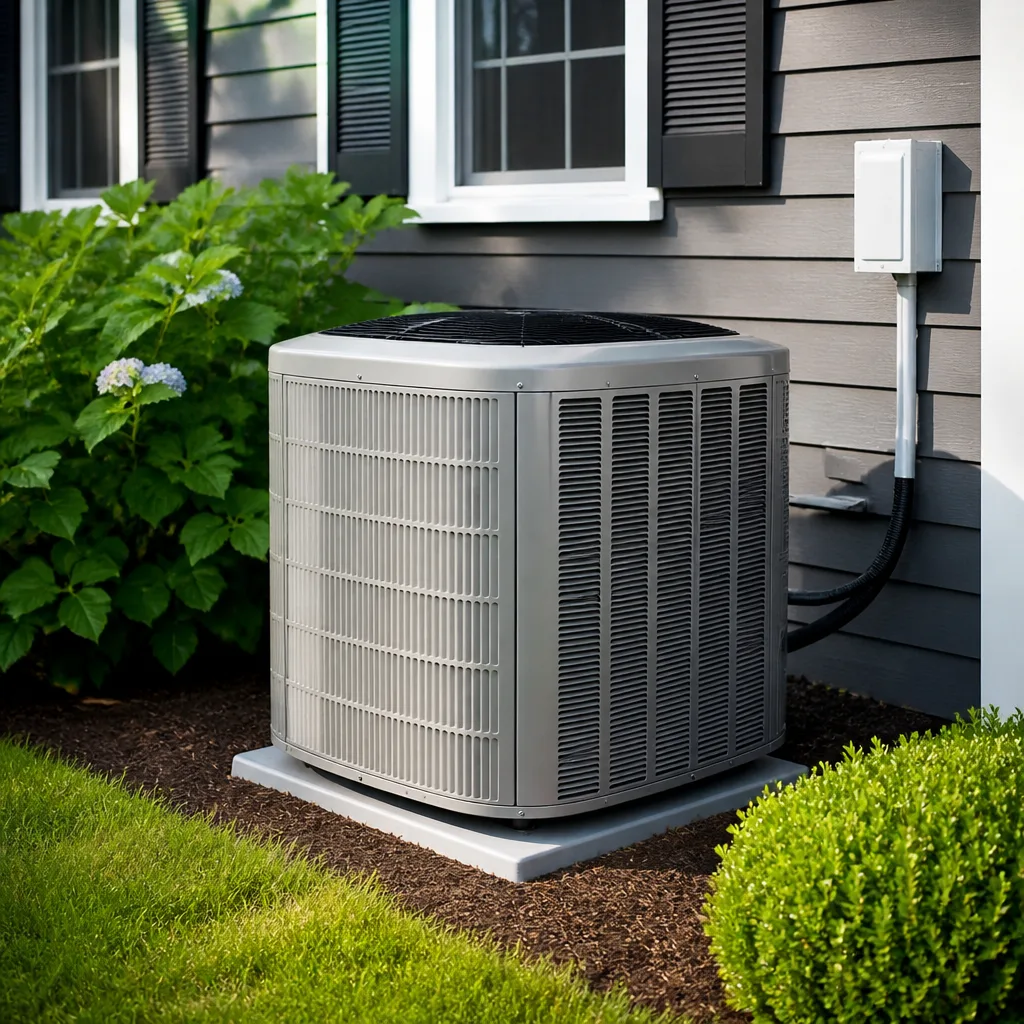 AC repair
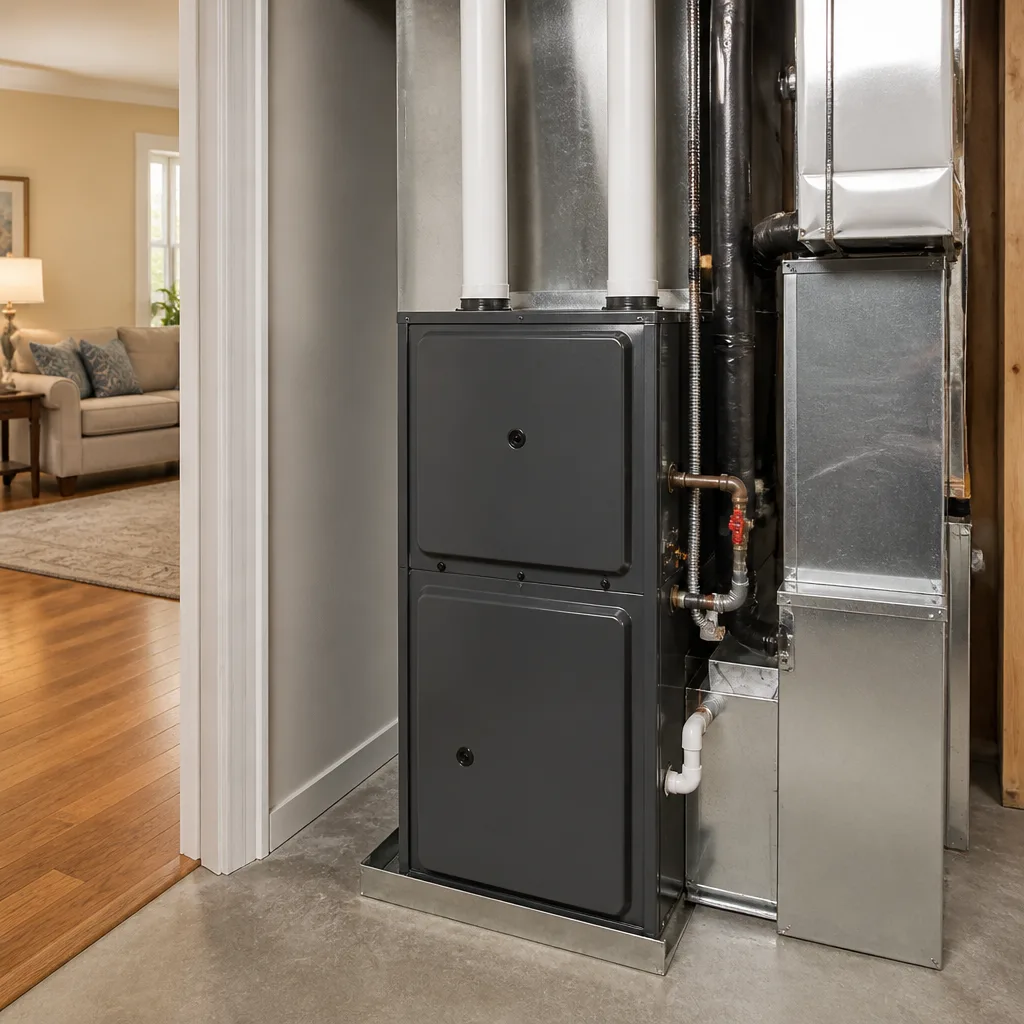 Furnace & heating
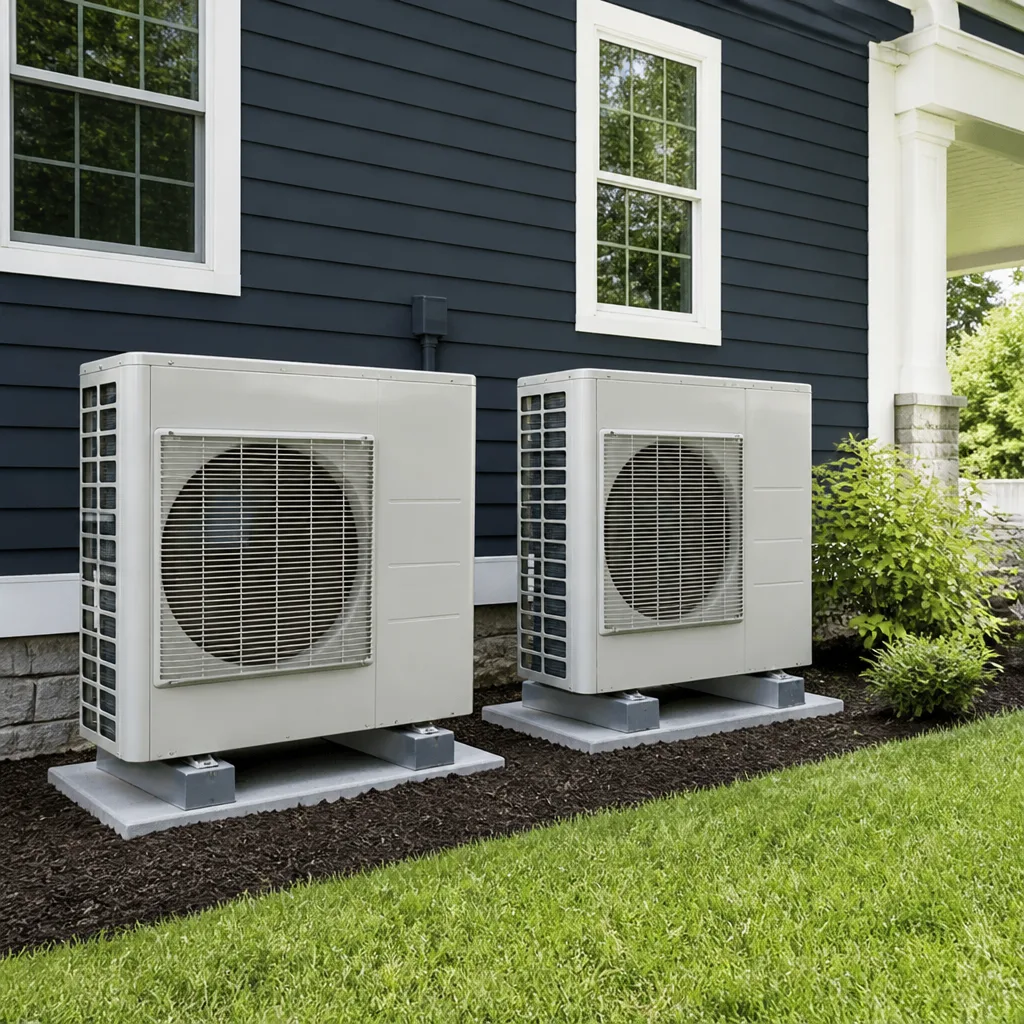 Heat pumps
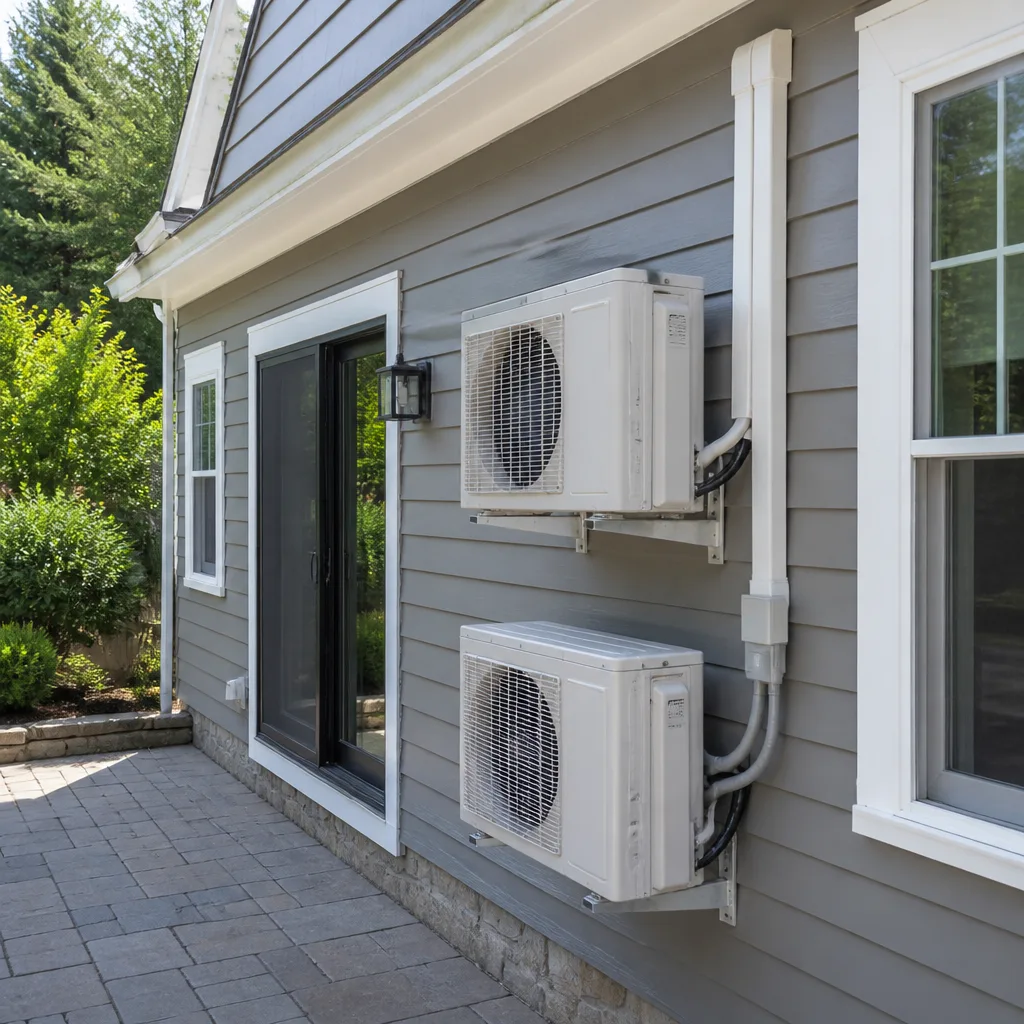 Ductless mini splits
 Carrier
 Trane
 Goodman
Seasonal tune-up and full diagnostic on your Carrier, Trane, or Goodman system - readings shown to you before any repair is proposed
Diagnosis first, numbers second - you approve the repair price before a single part goes in.
Get your free estimateThe Complete AC Installation Guide for Davie Homeowners
Most failed AC installations in South Florida pass inspection. The unit runs, the paperwork clears, and the homeowner spends the next five years wondering why the back bedroom never cools down. The problem almost always traces back to something that happened before a single box was opened: nobody ran a load calculation, nobody checked whether the old ducts could handle a new unit, and nobody asked what kind of equipment actually fits the house. This guide is about those three decisions. We’ll walk through what gets done right, what gets skipped, and how to tell the difference before you sign anything in Davie.
Quick Answer
A good AC installation in Davie starts with three pre-install decisions: a room-by-room load calculation, equipment sized to that calculation (not to the old unit’s label), and a duct audit to confirm the distribution system can handle the new airflow. Davie’s humidity is as much a sizing factor as the heat, and oversizing is the most common local mistake. Get those three right and the installation day itself is mostly execution. Skip them and you’ll spend years chasing rooms that never balance.
Styles & brands we work with
- AC repair
- Furnace & heating
- Heat pumps
- Ductless mini splits
- Carrier
- Trane
- Goodman
Table of Contents
- Why Load Calculation Comes Before Everything Else
- How Davie’s Humidity Changes Equipment Sizing
- Auditing Your Ductwork Before Installation
- Permits in Broward County and What You Can Verify
- Comparing Multi-Brand Quotes Without Getting Misled
- SEER Ratings in Context
- What the First 30 Days Should Look Like
- Common Mistakes to Avoid
Why Load Calculation Comes Before Everything Else
A load calculation, often called a Manual J, is a room-by-room estimate of how much heat your home gains and loses. It factors in square footage, ceiling height, window count and orientation, insulation, wall construction, and the local climate data for your area. In Davie that means accounting for long cooling seasons and high humidity, not a generic national average. The result is a number in BTUs that tells you what size system the house actually needs.
What usually happens instead: a contractor looks at the old unit’s data plate, reads “3 ton,” and quotes a 3-ton replacement. That shortcut assumes the original installer got it right, which is a big assumption in a region where a lot of homes were built fast and systems were swapped over the years without much rigor. We’ve seen homes where three generations of equipment have all carried the same nominal size, none of them matched to the current house.
A proper calculation takes time. It means measuring rooms, counting windows, noting which direction the house faces, and checking attic insulation. It also means accounting for any additions or enclosed patios that changed the home’s footprint since it was built. If a quote arrives in fifteen minutes and the number happens to match your old unit exactly, the calculation probably didn’t happen.
Two other details matter in Davie:
- Window shading. A west-facing wall of glass in Davie summer sun loads very differently than the same glass on the north side. A one-size-fits-all calculation misses this.
- Duct location. Systems with ducts in a hot attic lose capacity before the air ever reaches a register. The calculation has to know where the ducts run, not just where the rooms are.
If you’re already comparing installation quotes, ask each contractor whether they’ll run a Manual J and share the numbers. Anyone who won’t is quoting a guess.
How Davie’s Humidity Changes Equipment Sizing
Davie’s summers combine heat with heavy moisture, and an air conditioner does two jobs: it cools air and it removes water from it. Those jobs are related but not identical. A system that’s oversized for the house will cool the air quickly, hit the thermostat setpoint, and shut off before it’s had time to pull enough moisture out of the house. The result is a home that feels cold and clammy at the same time.
This is the most common local mistake we see. Homeowners assume bigger is safer, and some contractors happily sell the upgrade because a larger unit costs more. But an oversized system short-cycles, and short-cycling creates a specific set of problems:
- Higher indoor humidity, often in the 60% range and above, even with the thermostat satisfied
- Uneven temperatures, because the system doesn’t run long enough to push air to every room
- Faster equipment wear from more frequent starts and stops
- Higher electric bills than a correctly sized unit, not lower
The fix isn’t always a bigger system. Sometimes it’s a system with a variable-speed blower that can run longer at lower capacity and pull more moisture, or a setup with a dedicated dehumidification mode. Multi-stage equipment from brands like Goodman or Rheem can help a Davie home hold humidity in check, but only if the sizing is right in the first place. Sizing is the foundation; the equipment features are the finish work on top.
When you’re evaluating quotes, ask each contractor what they’re targeting for indoor humidity and how the equipment they’re proposing will get there. A straight answer means they’ve thought about it. A blank look means they haven’t.
Auditing Your Ductwork Before Installation
A new AC installed on top of a leaking, undersized, or badly routed duct system will underperform no matter how good the equipment is. The ducts are the delivery network, and if they lose a significant share of cooled air before it reaches a room, the system is doing extra work for nothing. Before we recommend any installation, we want to know what the ducts look like.
A duct audit usually includes the following checks:
- Return capacity. Is there enough return air path to feed the new system? A restrictive return is one of the most common causes of weak airflow.
- Leakage. Look for disconnected joints, gaps at boots and plenums, and unsealed penetrations into unconditioned space.
- Insulation condition. Ducts running through an attic need sound insulation and a vapor barrier. In Davie’s humidity, a compromised barrier invites condensation and mold.
- Routing. Long, kinked, or flex-duct runs with tight bends reduce airflow. A room at the end of a bad run may never cool properly.
- Register sizing. Are the supply and return grilles in each room sized for the airflow the new system will produce?
Some of these problems can be fixed with duct sealing and a few modifications. Others call for partial duct replacement or redesign. Either way, knowing before installation is far better than discovering it after the equipment is in and the back bedroom still runs warm.
If you’re dealing with a system that’s already struggling, some of this can be diagnosed during a repair visit, and our furnace repair team shares the same ductwork diagnostics on the heating side, so a single visit often surfaces problems that affect both systems.
Permits in Broward County and What You Can Verify
AC replacement in Davie generally requires a permit, and the work is inspected. This isn’t a formality – the inspection confirms the equipment, electrical connections, and drainage are installed to code. Skipping the permit can create problems later when you sell the home or file an insurance claim.
What a homeowner can verify directly:
- Ask for the permit number. A legitimate contractor pulls the permit before the work starts. Get the number in writing.
- Check the county portal. Broward County’s online permit system lets you search by address and see whether a permit was issued, what it covers, and its inspection status. If the permit can’t be found, the work isn’t permitted.
- Confirm the final inspection. After installation, the county inspects the work. Ask for confirmation that the inspection passed, and check the portal again.
- Keep the paperwork. Store the permit number, inspection result, and equipment documentation with your home records.
One detail worth knowing: permits cover the installation scope, and inspectors check what’s on the permit. If the scope changes during the job, the permit should be updated. A contractor who shrugs off a scope change without amending the paperwork is a contractor to walk away from.
We can’t tell you which specific code sections apply to your address – that’s a question for the county building department, and rules change – but a licensed contractor in Davie will pull the permit and manage the inspection as part of the installation. Any contractor who suggests skipping the permit to save time or money is telling you something important about how they work.
Comparing Multi-Brand Quotes Without Getting Misled
Getting three quotes is standard advice. The harder part is comparing them fairly when each contractor is proposing different brands and different equipment tiers. The trick is to normalize what you’re comparing before you look at the bottom line.
Compare like with like
One quote for a Goodman system and one for a Trane system aren’t directly comparable unless you’re checking the same tier – entry-level against entry-level, high-efficiency against high-efficiency. We work on Carrier, Trane, Lennox, Goodman, Rheem, York, Daikin, Bryant, and American Standard, so we can talk through how each tier actually fits a given home rather than steering you to one brand. That’s a good thing to ask every contractor: do they carry multiple brands, or just one? If they only sell one, the recommendation will always land on that one.
What belongs in the comparison
- Sizing basis. Did they run a load calculation, or match the old unit?
- Equipment model numbers. Not just “3-ton Goodman,” but the actual model. Model numbers reveal whether you’re getting a base unit or a high-efficiency model.
- Duct work scope. Is any duct repair, sealing, or modification included, or is it extra?
- Permit. Is the permit pulled by the contractor and included in the quote?
- Startup and commissioning. Does the quote include refrigerant charge verification, airflow balancing, and a system performance check?
- Disposal. Removal and disposal of the old equipment.
- Written scope. A quote that says “new AC” without spelling out the above is not a quote, it’s a number.
If you want to understand what a legitimate installation scope involves in Davie, our AC installation page spells out the steps. Bring it to your contractor comparisons.
The most useful comparison habit we can suggest: ask each contractor what they would recommend if price weren’t a factor, then ask what they’d cut to hit a lower number. The answer usually tells you exactly where each contractor’s priorities live.
SEER Ratings in Context
SEER is a measure of cooling efficiency, and higher is better, but it’s only useful when you know what it’s being compared to. A SEER 15 unit in a house with leaky ducts and an undersized system will use more energy than a SEER 16 unit in a house that’s properly sized and sealed. The rating tells you about the equipment, not the installation.
Where SEER does matter in Davie:
- Our cooling season runs long, so efficiency differences compound more than they would in a cooler climate.
- Premium-tier equipment from brands like Trane or Daikin often carries higher SEER and more advanced controls, and can be worth the investment if the home is well-sealed and the ducts are in good shape.
- If the ducts are leaking, spending up on a higher-SEER unit is throwing money at a problem that duct repair would solve for less.
What SEER ratings don’t tell you:
- Whether the system will control humidity well. That depends on sizing and blower design, not just the SEER number.
- Whether the equipment will last. Build quality varies within a brand and across tiers.
- Whether the install itself is correct. The best equipment installed badly performs worse than mid-tier equipment installed well.
Don’t dismiss SEER, and don’t worship it either. Treat the rating as one input among several, and expect any good contractor to explain how it fits your specific home. If a contractor leads the conversation with SEER and only SEER, ask them about sizing and ducts before you compare equipment.
What the First 30 Days Should Look Like
The weeks after installation are the tell. A correctly installed system performs like a system that was designed to perform. A system that was installed “good enough” runs, passes inspection, and then quietly reveals its problems over the first month. Here’s how to watch it.
Signs the installation was done correctly
- Every room reaches the setpoint on a hot afternoon, not just the rooms closest to the thermostat.
- Indoor humidity stays where it should during cooling cycles. You’ll feel the difference more than you’ll measure it.
- Run times are long and steady rather than short and frequent. Long run times with stable temperature are the correct pattern.
- The system is quiet – no whistling at registers, no rattling at the air handler, no water sounds in the drain line.
- Your electric bill reflects the expected efficiency. If it’s higher than your old system’s, something’s off.
- The condensate drain is doing its job with no backups or standing water at the pan.
Signs something may need attention
- Rooms that are consistently warmer than others, especially rooms at the end of long duct runs.
- Frequent cycling on moderate days, which points to sizing or thermostat issues.
- Humidity that feels high even with the system running.
- Ice forming on the indoor coil or refrigerant lines, which can indicate a charge problem or airflow restriction.
- Water where it shouldn’t be, near the air handler or the drain.
- New noises that weren’t there at startup.
None of these necessarily means the installation was botched, but any of them is worth a call back to the installer during the first weeks. A good contractor wants to know about them, and a contractor who tries to wave them off is telling you something.
For homeowners who also have a furnace in the house, the same first-30-days watch applies when heating season arrives – our furnace repair team sees the same pattern of small symptoms that go unaddressed and eventually become expensive.
Common Mistakes to Avoid
- Replacing like-for-like without a load calculation. Matching the old unit’s size assumes the original sizing was correct, and in many Davie homes it wasn’t. Ask for the Manual J.
- Oversizing “just to be safe.” In this climate, oversized equipment means higher humidity, uneven cooling, and more wear. Bigger isn’t safer here, it’s a problem.
- Leaving duct problems for later. A new unit fighting old ducts is money spent twice. Audit the ducts before you order equipment.
- Skipping the permit to save time. An unpermitted installation follows the house through its next sale and can complicate insurance claims. Always pull the permit.
- Buying on SEER alone. A high SEER on top of leaky ducts still wastes energy. Fix the distribution system first.
- Choosing a single-brand contractor without asking why. If a contractor only sells one brand, their recommendation always lands on that brand. Ask explicitly whether their choice would change if they represented other manufacturers.
- Not verifying final inspection status. The permit portal shows whether the inspection passed. Check it and keep the record.
See the difference
 Before
 After
 Before
 After
 Before
 After
When to Call a Professional
Some of the work in this guide you can do yourself: checking the permit portal, watching for the signs listed above, keeping records organized. The load calculation, equipment selection, refrigerant handling, electrical connections, and duct modifications all belong to a licensed professional. If your system is undersized or oversized for the home, if your ducts are losing air, if you’re weighing repair against replacement, or if installation quotes are landing far apart, it’s time to get a real assessment. Davie AC Repair offers free estimates in Davie – call (833) 548-1941. We answer 24/7. Fast dispatch from 7am to 7pm, Sunday through Friday. Our technicians have up to 15 years of experience, and we work on the equipment you own, whether that’s a Goodman or a Trane.
Frequently Asked Questions
You know the existing unit is right-sized only by running a load calculation on the house as it stands today, not by reading the label on the old equipment. If a contractor quotes a replacement that matches your old tonnage without measuring rooms, counting windows, and checking insulation, the calculation hasn’t happened. A proper Manual J is the only way to confirm. Call (833) 548-1941 if you want a real sizing assessment before you commit to anything.
Yes, AC replacement in Davie generally requires a permit and an inspection. Your contractor should pull the permit before work starts, and you can verify the permit and its inspection status on the Broward County online portal by searching your address. If a contractor offers to skip the permit, walk away. Confirm the final inspection passed and keep the record with your home files.
Higher SEER helps in a long cooling season, but only after the ducts and sizing are correct. In a home with leaky ducts or an oversized system, a higher SEER rating won’t deliver the savings you paid for. Fix the distribution and sizing first, then consider whether a high-efficiency model from a brand like Daikin or Trane is worth the extra investment for your house.
Oversizing. Homeowners assume bigger is safer and some contractors quietly agree, but an oversized unit short-cycles, runs humid, and wears out faster. It’s the mistake that keeps showing up because it passes inspection and looks fine for the first summer. Humidity control depends on correct sizing and, where needed, equipment with features like variable-speed blowers – not on capacity.
Only a duct audit can tell you. Return capacity, leakage, insulation, routing, and register sizing all affect whether a new unit will deliver what it’s capable of. If the ducts are restrictive or leaking, the new equipment will underperform regardless of how good it is. We check the ductwork as part of every install evaluation because it’s the most common hidden cost in a replacement.
Watch for uneven room temperatures, high indoor humidity, short cycling, water near the air handler, and any noises that weren’t present at startup. A correctly installed system should hold setpoint in every room, run steady cycles, and keep the house comfortable. If anything feels off during the first month, call the installer back early – it’s the simplest time to catch a problem.
The Bottom Line
A good AC installation in Davie is decided before the truck arrives. A room-by-room load calculation, equipment sized for the house and its humidity, and a duct audit come first, or the installation won’t deliver no matter what’s on the equipment label. Pull the permit, verify the final inspection, compare quotes on scope rather than brand name, and watch the first month carefully. If you want a straight read on what your home actually needs – without a single brand being pushed – call Davie AC Repair at (833) 548-1941. Free estimates, straight answers on what your HVAC actually needs, and a recommendation built around the house, not the manufacturer.
Written by the team at Davie AC Repair.