
Last updated November 15, 2026
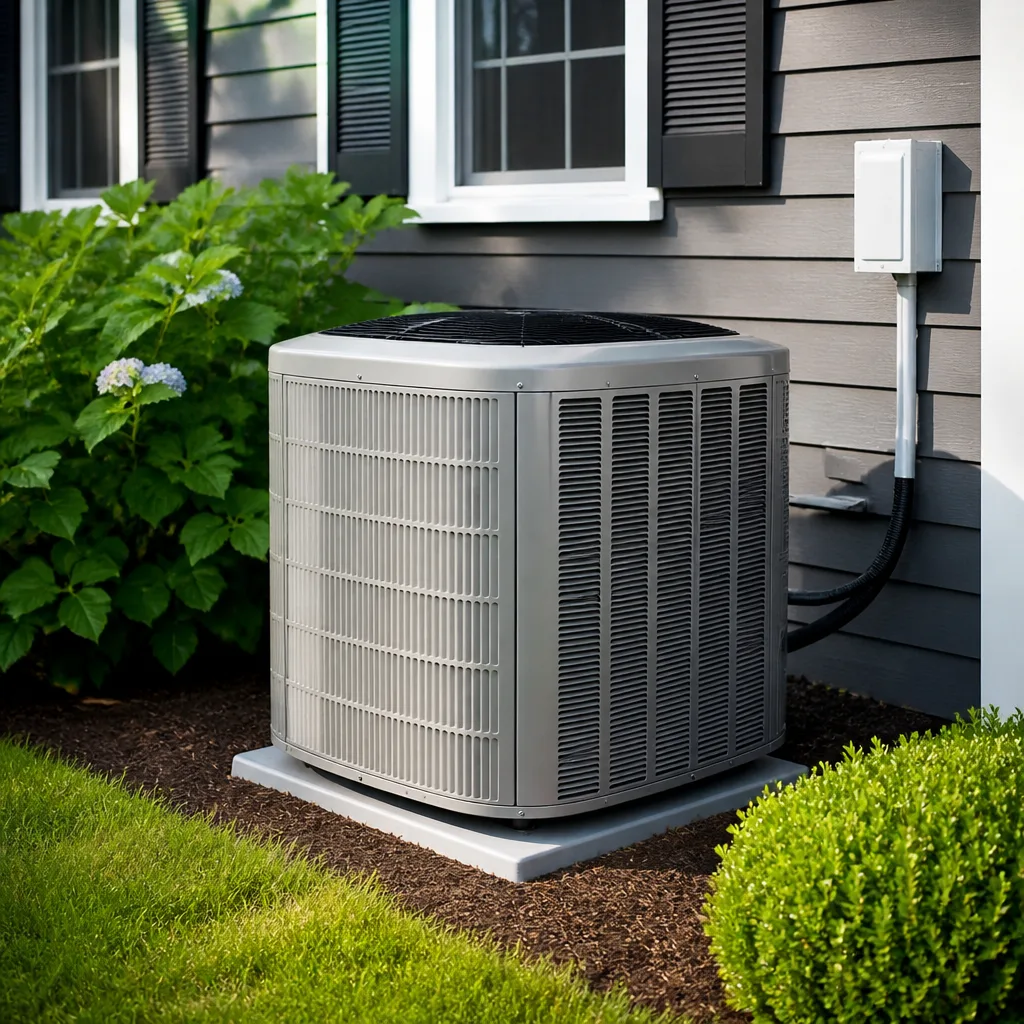 AC repair
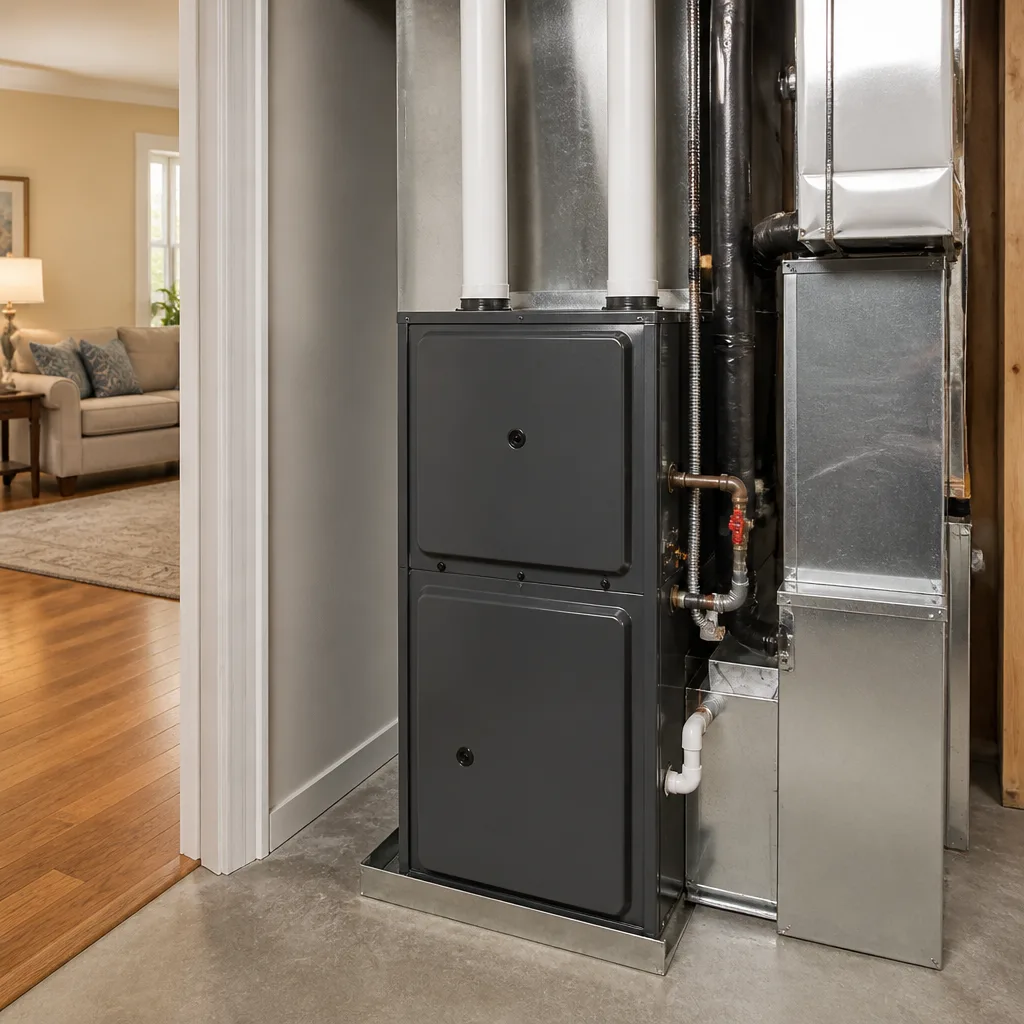 Furnace & heating
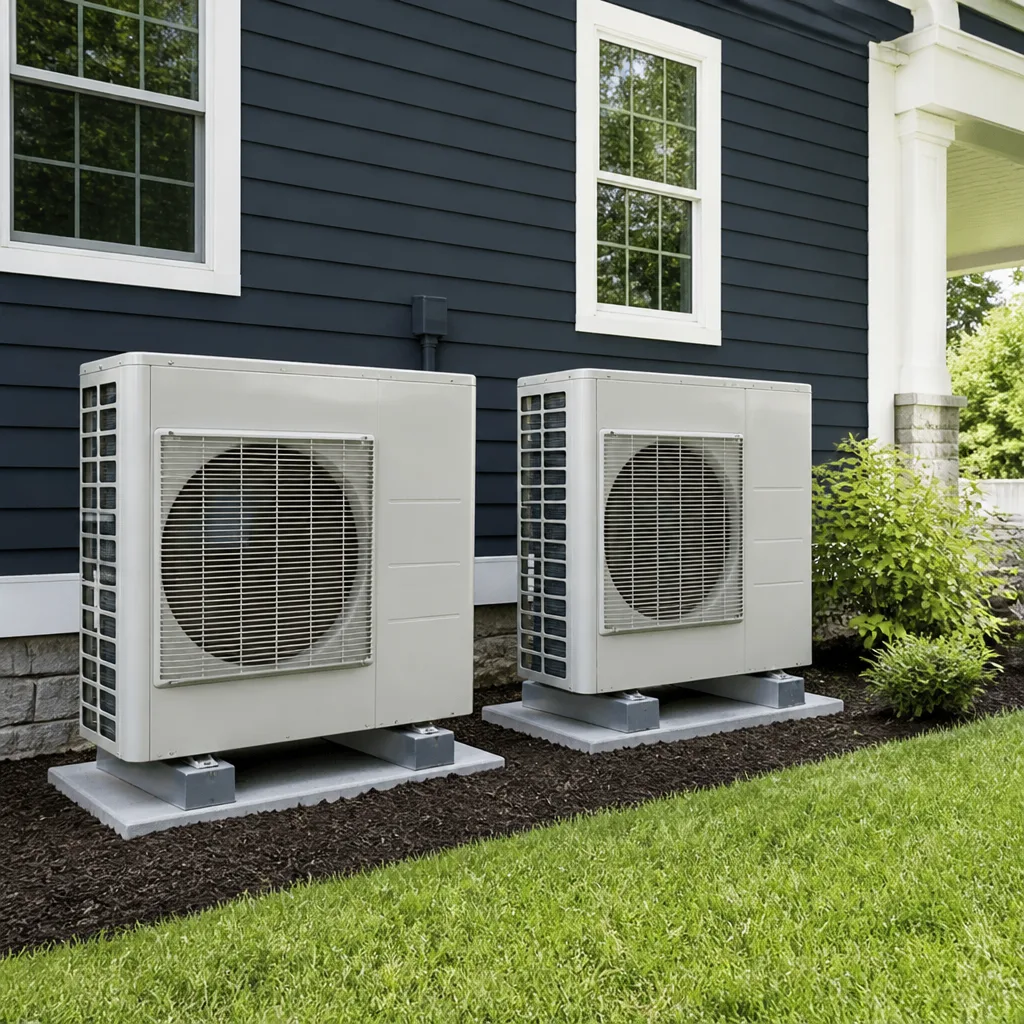 Heat pumps
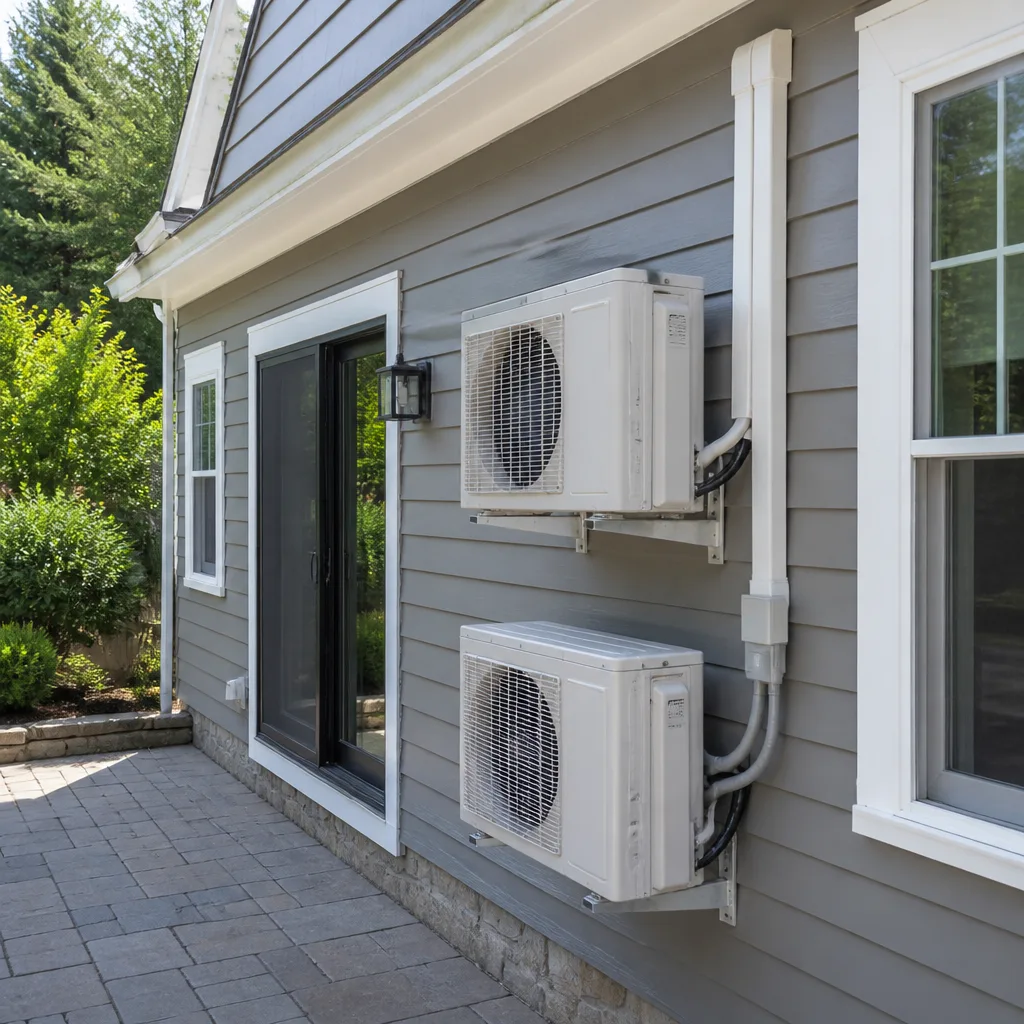 Ductless mini splits
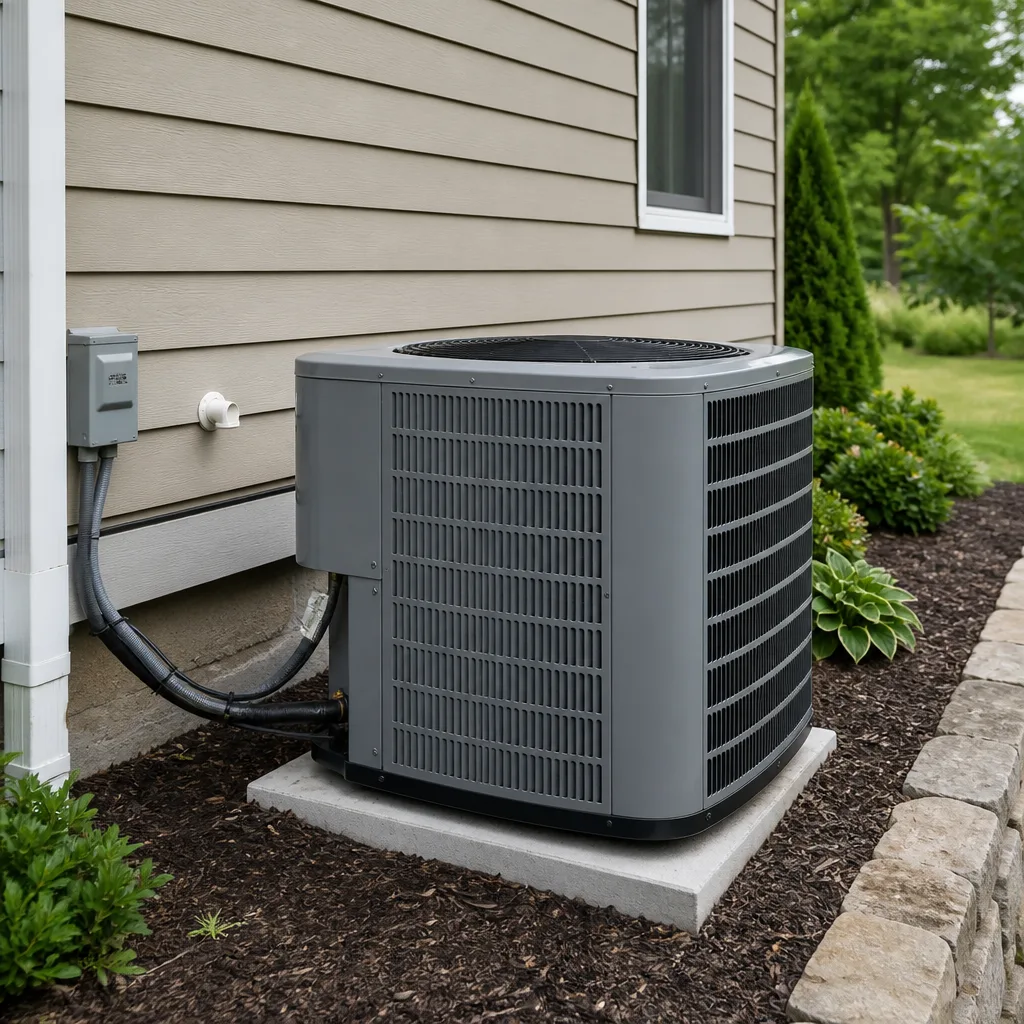 Carrier
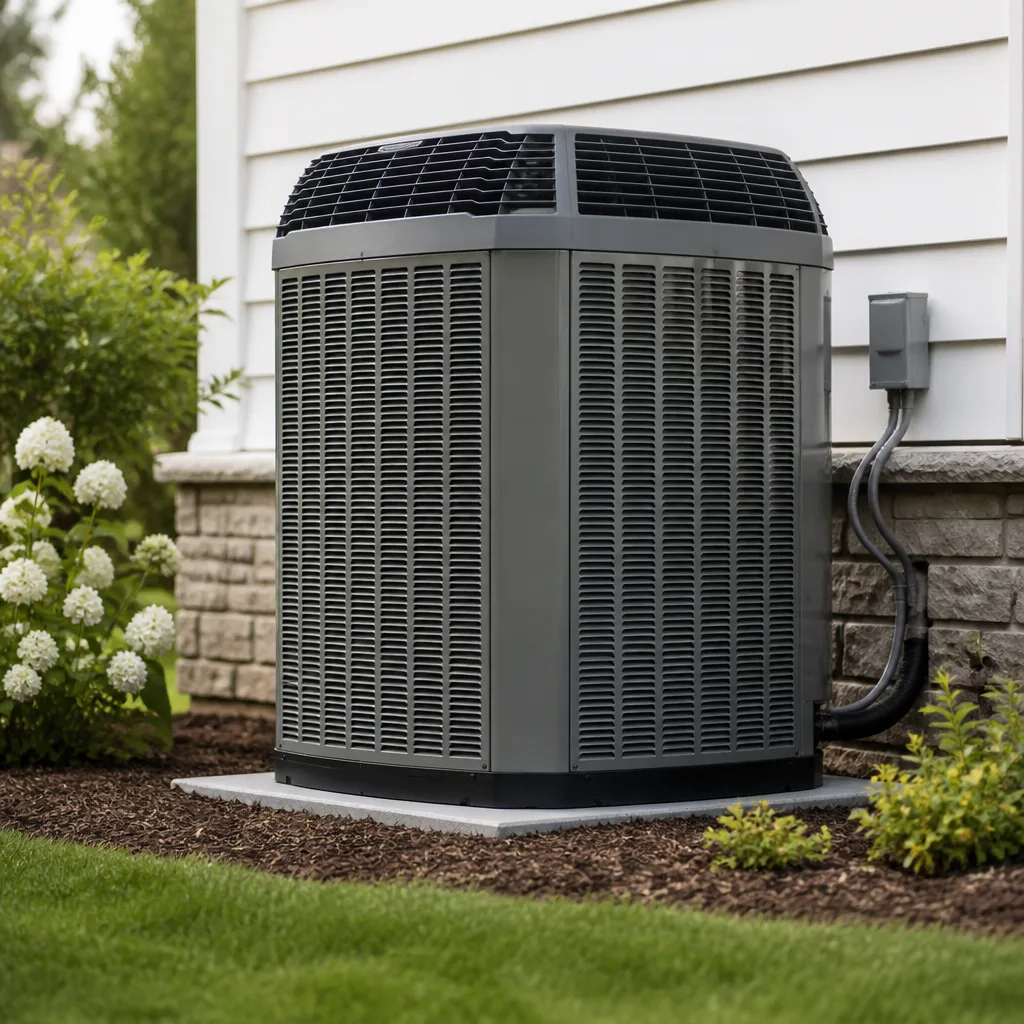 Trane
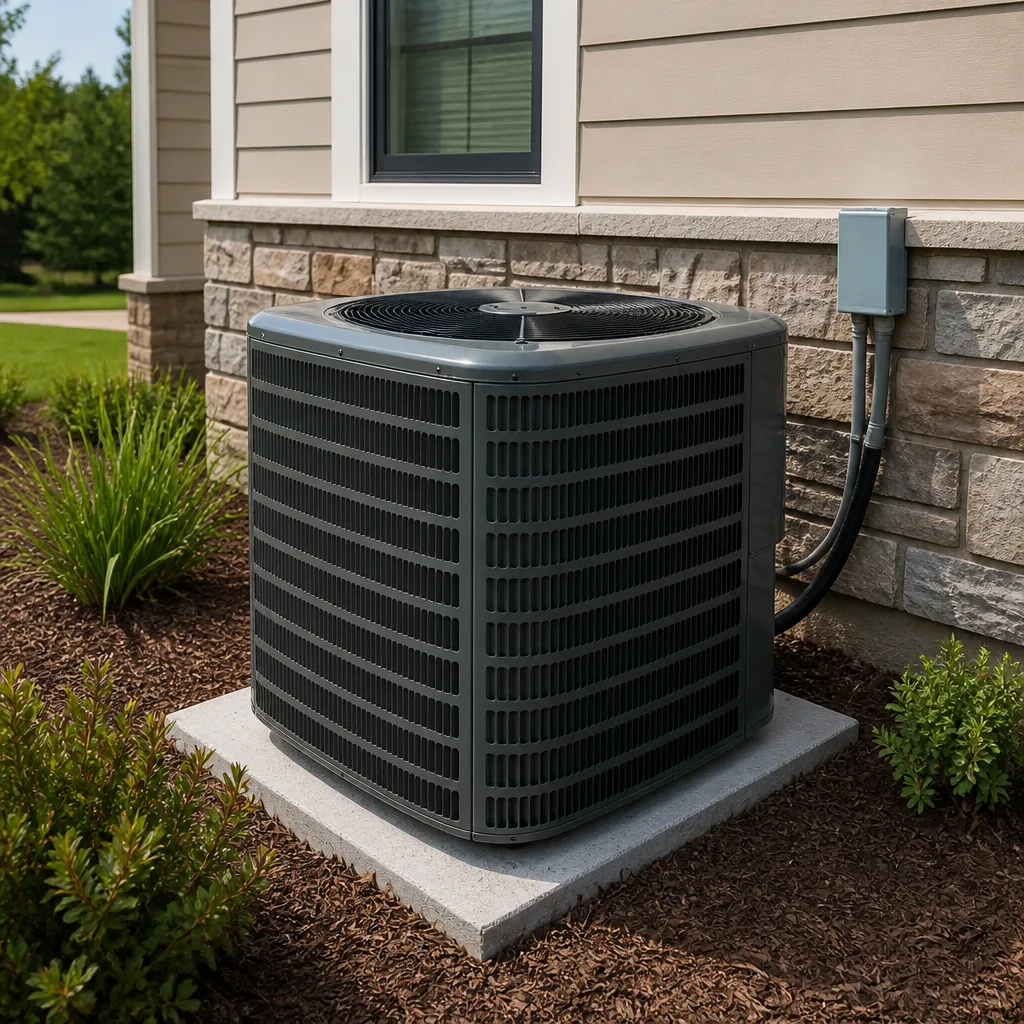 Goodman
Seasonal tune-up and full diagnostic on your Carrier, Trane, or Goodman system - readings shown to you before any repair is proposed
Diagnosis first, numbers second - you approve the repair price before a single part goes in.
Get your free estimateChoosing the Right HVAC Brand: A Buyer’s Guide for Davie
Picking a Trane because your neighbor loves theirs, or a Carrier because of a TV ad, is like choosing a doctor by the logo on their hospital’s scrubs. The brand is the least useful thing to decide first. What actually determines whether a system keeps a Davie home comfortable for the next fifteen years is the load calculation behind it, the humidity control it’s capable of in this climate, and whether the technician installing and servicing it genuinely knows that specific equipment. Brand selection is the last decision a homeowner should make, not the first. This guide reverses the usual buying sequence so you can evaluate a recommendation on what your home needs rather than what a contractor would rather sell. You’ll learn how to judge a brand pitch, which performance specs matter here, and how to spot the five questions that reveal whether a suggestion is about your house or someone’s dealer margin.
Styles & brands we work with
- AC repair
- Furnace & heating
- Heat pumps
- Ductless mini splits
- Carrier
- Trane
- Goodman
Quick Answer
The right HVAC brand for a Davie home is the one your installing contractor is genuinely competent to commission and support, matched to a capacity and humidity-control profile that fits your house. In real-world reliability, a well-installed mid-tier Goodman or Rheem usually outperforms a poorly installed premium Trane. Choose the contractor and the load calculation first, confirm the installer’s experience with the brand second, and treat brand name as the final sorting step. Anyone who leads with a logo before asking about your square footage, ductwork and humidity complaints is selling, not advising.
Table of Contents
- Why Brand Should Be Your Last Decision, Not Your First
- Installer Competency Beats Brand Tier Every Time
- Humidity Control: The Spec That Actually Matters in Davie
- Sizing and Tonnage Come Before Brand, Always
- Parts and Service Reality in Broward County
- How to Evaluate a Brand Recommendation From a Contractor
- The Brands With the Strongest Installed Base in Davie
- Budget, Mid-Tier and Premium: What You Actually Pay For
- Common Mistakes to Avoid
- When to Call a Professional
- Frequently Asked Questions
- The Bottom Line
Why Brand Should Be Your Last Decision, Not Your First
Most homeowners walk into an HVAC purchase in the wrong order. They browse brands first, collect quotes second, and think about their house last. That sequence guarantees you’ll overpay for a name and underpay attention to the details that decide whether the system actually works in a Davie summer.
The order that gets better results runs like this:
- Start with the house. A proper load calculation tells you how much cooling the home needs, factoring in window orientation, insulation, ceiling height and how much sun the roof takes. Without this number, any brand conversation is guesswork.
- Look at the ducts. In older Davie homes, duct sealing and sizing often matter more than the equipment. A premium condenser behind leaking ducts still produces a hot house.
- Define your humidity target. South Florida comfort isn’t just temperature. It’s whether the air feels sticky at 74 degrees. That requirement narrows the field of suitable equipment before a brand name ever comes up.
- Choose the contractor. Ask what they’re certified to install, what they’ve worked on recently, and whether they’ll service the system after the sale.
- Only then pick the brand, guided by which manufacturers your chosen contractor can commission and support with real parts access.
Notice that the brand name is item five. It’s the fun decision, the one the ads train you to make first, but it’s the least consequential if the first four steps go wrong. A homeowner in Davie who picks a premium brand and pairs it with a rushed install on an undersized platform has bought an expensive problem. The reverse – a mid-tier brand installed precisely on a correctly calculated platform – delivers better comfort, better humidity performance and fewer service calls.
This is also why we’re brand-agnostic. We work on your system, not just the brands we prefer to sell. When the recommendation follows the house, the logo becomes the last thing you check instead of the first thing you negotiate.
Installer Competency Beats Brand Tier Every Time
Here’s the part that makes the premium-brand conversation uncomfortable: the same model can perform beautifully or badly depending on who installs it. Two identical condensers, two different contractors, two completely different lifetimes. The equipment is a component. The install is the system.
What separates a competent install from a fast one comes down to a handful of invisible steps:
- Charge verification. Refrigerant charge must be measured and confirmed against manufacturer specs, not guessed by “feel the pipe.”
- Airflow balance. Static pressure testing and register balancing keep a correctly sized unit from running against a restrictive duct system.
- Line set and drain discipline. Correct sizing, clean flaring, and a properly trapped condensate drain that handles South Florida humidity load without overflowing.
- Commissioning report. A real install ends with readings on paper – superheat, subcooling, airflow, delta T. If nobody hands you numbers, ask for them.
A poorly commissioned premium unit can short-cycle, lose humidity control, and fail earlier than a mid-tier unit installed with care. In our experience across nine brands, the reliability gap between a careful Goodman install and a sloppy installation of a high-efficiency unit is wider than the gap between tiers themselves.
The takeaway is practical. When you interview contractors, ask what brand-specific training their technicians have completed and how many of that brand’s systems they’ve installed. A technician who has worked on the same line dozens of times understands the quirks, the common weak points, and the correct charging technique that a generalist might miss. That experience transfers directly into how well your system handles a Davie July, which is the only outcome that matters.
Humidity Control: The Spec That Actually Matters in Davie
Davie’s long, humid summers mean a system’s ability to remove moisture matters as much as raw cooling capacity. A unit that hits 72 degrees but leaves the indoor air at 65% relative humidity feels uncomfortable and encourages mold growth. This is where equipment selection gets genuinely technical, and where brand differences show up in measurable ways.
The two features that drive humidity performance:
- Compressor staging. Single-stage compressors run full blast or off. Two-stage compressors run at roughly high and low settings. Variable-speed (modulating) compressors run across a full range and reduce output as the house approaches setpoint. Partial-load operation matters most here, because a system running at lower capacity longer removes more moisture than one blasting on and off.
- Blower motor type and indoor air handling. Variable-speed blowers pair with modulating compressors to keep airflow slow during long run times, which is what drags moisture out of the air. Single-speed air handlers paired with single-stage compressors typically run short cycles, which is the humidity problem.
For a Davie home, the practical guidance is straightforward. Variable-speed or two-stage equipment usually earns its price premium for comfort and humidity alone, not just efficiency ratings. Single-stage equipment can be acceptable in small, well-insulated, well-sealed homes or for occasional-use spaces. But if you’ve had a “sticky house” complaint for years, single-stage is often the culprit – and no brand name fixes it if the staging profile is wrong.
Also check whether the equipment supports a dedicated dehumidification mode and what the manufacturer’s own literature says about latent capacity. Some brands publish clearer data on moisture removal than others. Read the spec sheets, not just the SEER2 number on the sticker. Efficiency ratings sell systems. Humidity performance keeps you comfortable.
Sizing and Tonnage Come Before Brand, Always
You cannot choose a brand correctly if the sizing hasn’t been worked out first. A contractor recommending a specific line without asking about the house is skipping the step that determines everything downstream.
Here is the short version of what proper sizing involves, in order:
- Measure the conditioned space and orientation. Square footage, ceiling height, window area and which sides face the afternoon sun all matter in Davie.
- Assess envelope quality. Insulation in the attic, window type, door seals and any recent air-sealing work.
- Calculate internal and external loads. A load calculation (Manual J is the standard method) produces a required tonnage. It is not a rule of thumb like “one ton per 500 square feet.”
- Evaluate the ducts. Duct sizing and return air capacity can cap what a system can deliver regardless of tonnage.
- Match equipment to the result. Now the brand and model conversation can start, with real numbers behind it.
Sizing errors are common and expensive. Oversized equipment short-cycles, which means poor humidity removal and faster wear. Undersized equipment runs constantly during peak heat, which strains the compressor and leaves rooms warm. In older Davie neighborhoods, both errors show up, sometimes because a previous replacement simply duplicated whatever tonnage was there before.
Once you have a calculated tonnage, the brand conversation becomes much easier. You know what capacity you need. You know whether staging matters for your humidity complaints. You know your budget. Now you can ask which manufacturers your contractor can install and service reliably in that specification. If you want to see how we approach the whole process from load calculation to commission, that’s the essence of AC installation: the new equipment should fit the house, not the other way around.
Parts and Service Reality in Broward County
Brand selection isn’t just about horsepower and efficiency – it’s about what happens when something fails. Parts availability and local distributor strength decide how long your home sits without cooling after a breakdown. That’s especially relevant in Broward County, where the density of homes and systems means parts supply chains are generally strong, but not equally so across all brands.
What tends to determine how quickly a technician can source the right part:
- Local distributor footprint. Brands with deep distribution and stocking relationships in South Florida tend to have faster access to common compressor, blower, board and control parts.
- Model popularity in the region. The more installs of a given brand and line in the area, the more likely a local distributor carries its common service parts.
- Warranty part pipelines. Some brands process warranty claims quickly and ship regional inventory; others create wait times on less common components.
- Whether your contractor actually works on the brand. A distributor can have the part in stock, but if the technician on your job isn’t familiar with the model’s quirks, the diagnosis and repair still take longer.
This is where an exclusive dealer relationship becomes a problem. A contractor locked into one manufacturer can’t always source the best or fastest path to a repair. A multi-brand technician can cross-check what’s available, whether a common failure part has a widely stocked equivalent, and whether a repair is even worth doing instead of replacement. When we work on a system from Goodman or a Daikin, the goal is the same: get the right part, do the diagnosis properly, and put the system back in service. Whether it’s a budget-tier unit or a premium load, we know it.
One honest caveat: even strong brands have parts that take time to source. That’s true anywhere. What matters is whether your contractor tells you the real timeline up front and keeps you informed.
How to Evaluate a Brand Recommendation From a Contractor
A recommendation is only as good as the reasoning behind it. You can’t see a contractor’s incentive structure, but you can hear it in how they answer a few careful questions. These are the ones worth asking every time.
- “What led you to this recommendation for my house?” A strong answer starts with your square footage, ductwork, humidity complaints or efficiency goals. A weak answer starts with the brand name or the price point alone.
- “What’s your experience with this specific line?” You want a real answer about installs and service calls completed, not a general statement about the brand’s reputation.
- “What alternatives did you consider, and why did you rule them out?” A contractor who only ever recommends one brand isn’t showing you a considered decision.
- “If I asked for a different brand at the same quality level, could you install and service it?” This is the question that separates a technician from a salesperson. A brand-agnostic contractor says yes.
- “Will you service this system after the install, and will you service it if I move to a different brand next time?” The answer tells you whether the relationship is about the equipment or the sale.
There’s another version of this evaluation: the recommendation should never arrive before a load calculation and a look at the existing ducts. If you’re quoted a specific model in the first ten minutes, without measurements or questions, you’ve learned what you need to know.
This guide’s angle is that the recommendation should be about your home, not the contractor’s margin. The best way to test that is simply to ask for the reasoning and see if it holds up.
The Brands With the Strongest Installed Base in Davie
In Davie, as across South Florida, certain brands dominate the installed base – meaning the equipment that’s actually on the walls and in the closets of local homes. That matters for two reasons: technician familiarity and competitive service pricing.
Among the brands with a strong local installed base, these show up most often:
- Goodman. Widely installed in newer and value-focused construction. Plenty of technicians have worked on them, and common parts are usually easy to source locally. That combination holds down repair costs.
- Rheem. Common in both residential equipment and in packaged and split systems across the area. Strong regional distribution supports parts access and repair speed.
- Carrier and Bryant. Both share engineering DNA and have a large installed footprint in South Florida. Service familiarity is generally strong.
- Trane and American Standard. Marketed as premium, and also common in higher-end Davie homes. Service access is good, but parts and repair costs can run higher than value-tier brands.
When a brand has a strong installed base, three things follow. Technicians have worked on it enough to diagnose quickly. Distributors stock common parts. And since multiple contractors can service it, pricing stays competitive. A brand with a thin local footprint can force you into a slower, more expensive repair path even if the equipment itself is well made.
That’s why we lean toward the brands the local market already supports. It’s not about favorite names; it’s about how fast a homeowner can get back to comfort when something fails. Whether it’s a Goodman or a Trane, we know it, and that knowledge comes from working on the equipment that’s already installed in this city.
Budget, Mid-Tier and Premium: What You Actually Pay For
The gap between a budget Goodman and a premium Trane is real, but it’s not where most homeowners think. The extra money generally goes to efficiency ratings, sound levels, variable-speed capability, build quality of certain components, and features like communicating controls. It rarely buys you a dramatically longer lifespan if the install is equal.
A reasonable way to think about the tiers:
- Budget tier: Basic single-stage or two-stage equipment. Good fit for modest homes with low cooling loads, rentals, or situations where budget is the binding constraint and the ducts are already in good shape.
- Mid-tier: The sweet spot for most Davie homes. Two-stage or entry variable-speed, better efficiency ratings, and reliable humidity performance when commissioned correctly.
- Premium tier: Full variable-speed or modulating systems with communicating thermostats and the best humidity control in the lineup. Reasonable where long, sticky summers are the main complaint and the home is well sealed.
The honest advice: don’t compare tiers on price alone. Compare what you get in comfort and humidity performance for the money, and how well the contractor can support that specific line. A well-installed mid-tier system almost always delivers a better experience than a top-tier system that was sized by guesswork and never commissioned. Repair first, replace only when it makes sense for you – and when replacement is the answer, buy the tier your house actually needs, not the tier a logo suggests.
Common Mistakes to Avoid
- Picking a brand from an ad instead of from a load calculation. The sticker on the condenser tells you nothing about whether it fits your home’s capacity and humidity needs.
- Assuming premium always means better for your situation. A premium unit installed on undersized or leaky ducts can underperform a carefully installed mid-tier system badly.
- Skipping the question of who services the brand locally. If parts are slow to arrive in Broward County for the model you chose, that’s a real cost in comfort and time.
- Ignoring humidity performance in favor of SEER2 alone. In Davie, a high-efficiency single-stage unit can still leave the house sticky. Staging and commissioning matter as much as the rating.
- Letting a contractor pick the brand without explaining why. If you can’t get a clear, specific reason rooted in your home, you’re being steered by margin, not by need.
- Duplicating the old tonnage without verifying it. Previous installs were sometimes sized by rule of thumb. A new system deserves an actual calculation.
- Choosing a brand before interviewing the installer. This guide’s core point: the contractor’s competency with the equipment they recommend is a bigger reliability factor than the brand badge itself.
When to Call a Professional
Brand selection and system decision-making belong in the hands of a technician who can measure your house, inspect the ducts, and verify what the equipment actually needs. Call a professional when you’re facing a replacement decision and don’t have a load calculation, when humidity or uneven cooling has persisted across seasons, when your current system is old enough that repair costs are climbing, or when a contractor recommends a brand without explaining the reasoning. A diagnosis and a clear recommendation are worth more than a fast quote.
We also handle the other half of the job. If your heating system is struggling, that’s a separate diagnosis; you don’t need a different contractor for the furnace and the air conditioner, and that’s the value of getting one company that handles both. See how we approach furnace repair for the heating side.
Davie AC Repair offers free estimates in Davie – call (833) 548-1941. We answer 24/7. Fast dispatch from 7am to 7pm, Sunday through Friday.
Frequently Asked Questions
There’s no single best brand for Davie; the right one depends on your home’s calculated tonnage, how much humidity control you need, and which brand your contractor can install and support well. A mid-tier Goodman or Rheem, correctly sized and carefully commissioned, typically outperforms a premium brand installed without a load calculation. Start with the house, not the logo. Call (833) 548-1941 for a free estimate if you want a recommendation based on your actual conditions.
Brand name matters less than installation quality for real-world reliability. The equipment is a component; the install and commissioning determine how well it runs. A well-installed value-tier system usually lives longer and performs better than a premium system installed on a rushed schedule. The brand conversation matters for efficiency, features, parts availability and long-term service, but those all sit on top of a competent install. Call (833) 548-1941 if you’d like an honest read on your system.
Humidity control comes from how a system runs, not its nameplate logo. Variable-speed or two-stage compressors paired with variable-speed blowers run longer at lower capacity, which removes more moisture. Single-stage systems that short-cycle leave the house sticky even at a low thermostat setting. In Davie’s long, humid summers that difference is noticeable. Ask any contractor what your target humidity is before discussing brand. Estimates are free; call (833) 548-1941.
Ask three questions: what led to the recommendation, what alternatives were ruled out and why, and whether they could install a comparable brand you request instead. A brand-agnostic contractor answers all three with specifics about your house. A contractor locked into one manufacturer tends to answer with the brand name and a price. If the recommendation arrives before any measurement of your home, it’s not about the house. Call (833) 548-1941 to talk through what your home actually needs.
Brands with a deep installed base and strong South Florida distribution – Goodman, Rheem, Carrier and Bryant among them – generally have the fastest parts access and the most technician familiarity in the Davie area. That helps both diagnosis speed and repair cost. Premium brands like Trane and American Standard also have strong support, though common parts can run higher. The practical point: ask your contractor which brands they can source parts for quickly before choosing one.
Brand is a minor factor in the repair-or-replace call. The bigger inputs are age, frequency of past repairs, whether parts are still available, and how efficient the existing system is against what you’d install today. We work on the systems customers already own, so we’ll tell you plainly when a repair is worth it and when replacement makes sense. A premium brand far past its service life doesn’t get special treatment; a mid-tier unit in good condition does. Call (833) 548-1941 for a free estimate.
The Bottom Line
Choosing an HVAC brand is the last decision, not the first. Get the load calculation and duct check right, define the humidity performance you need, choose a contractor you trust, and only then let the brand follow from what that contractor can install and support well. In Davie’s climate, staging and commissioning matter more than the logo, and local parts availability is a real factor in how long you go without cooling. A well-installed mid-tier system beats a rushed premium one. Whether it’s a Goodman or a Trane, we know it – and we’ll tell you what your house actually needs.
If you’re weighing a replacement, a repair, or a second opinion on a brand recommendation, Davie AC Repair connects you with local professionals who work across nine major manufacturers and both heating and cooling systems. Nine brands. Two systems. One call. Call (833) 548-1941 for a free estimate. We answer 24/7. Fast dispatch from 7am to 7pm, Sunday through Friday.
Written by the team at Davie AC Repair.
See the difference
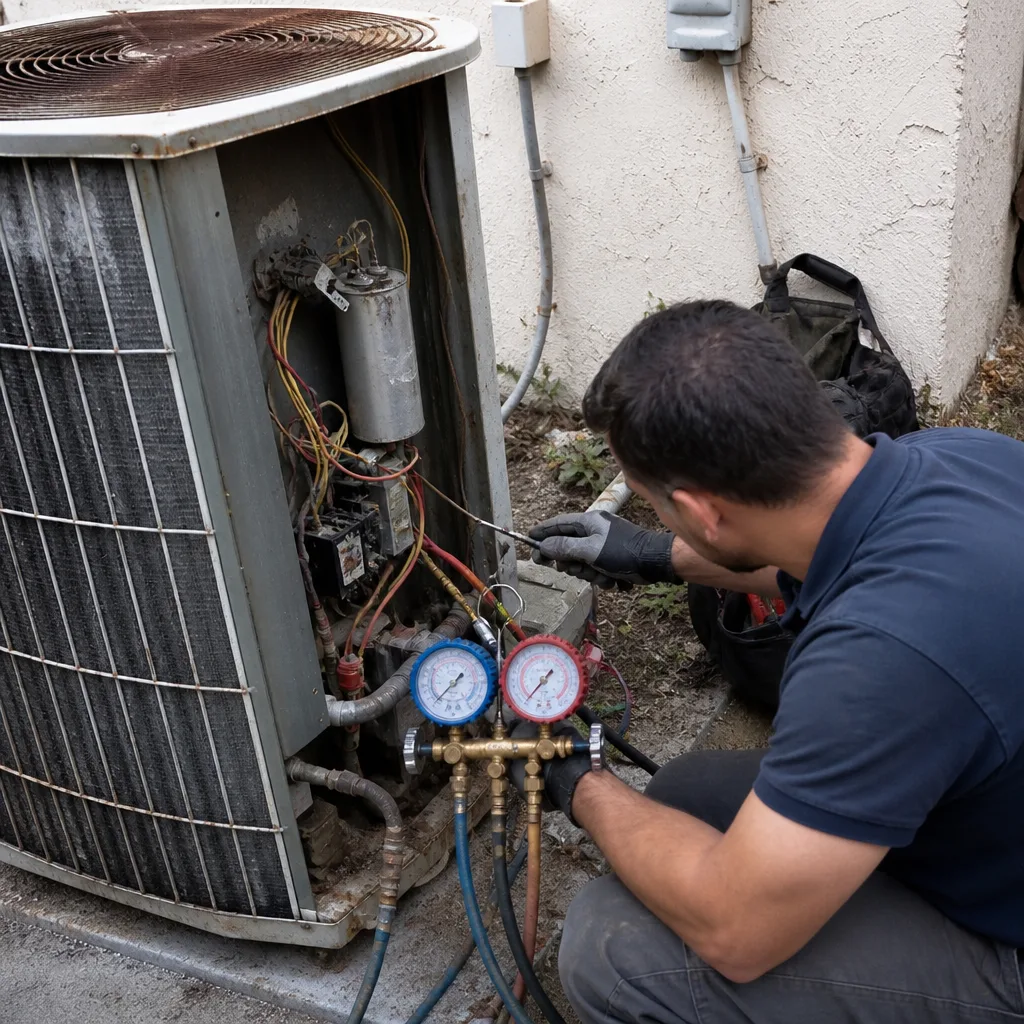 Before
 After
 Before
 After
 Before
 After