
Last updated November 15, 2026
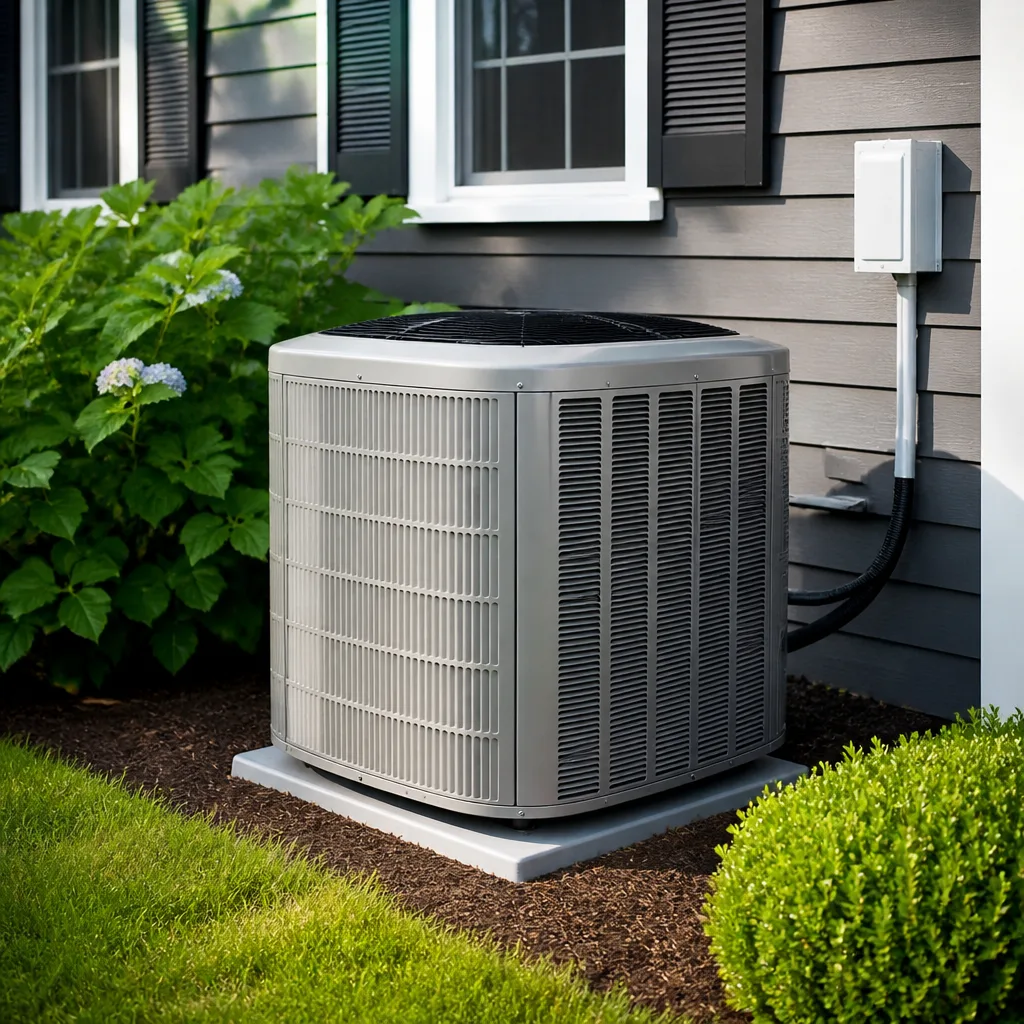 AC repair
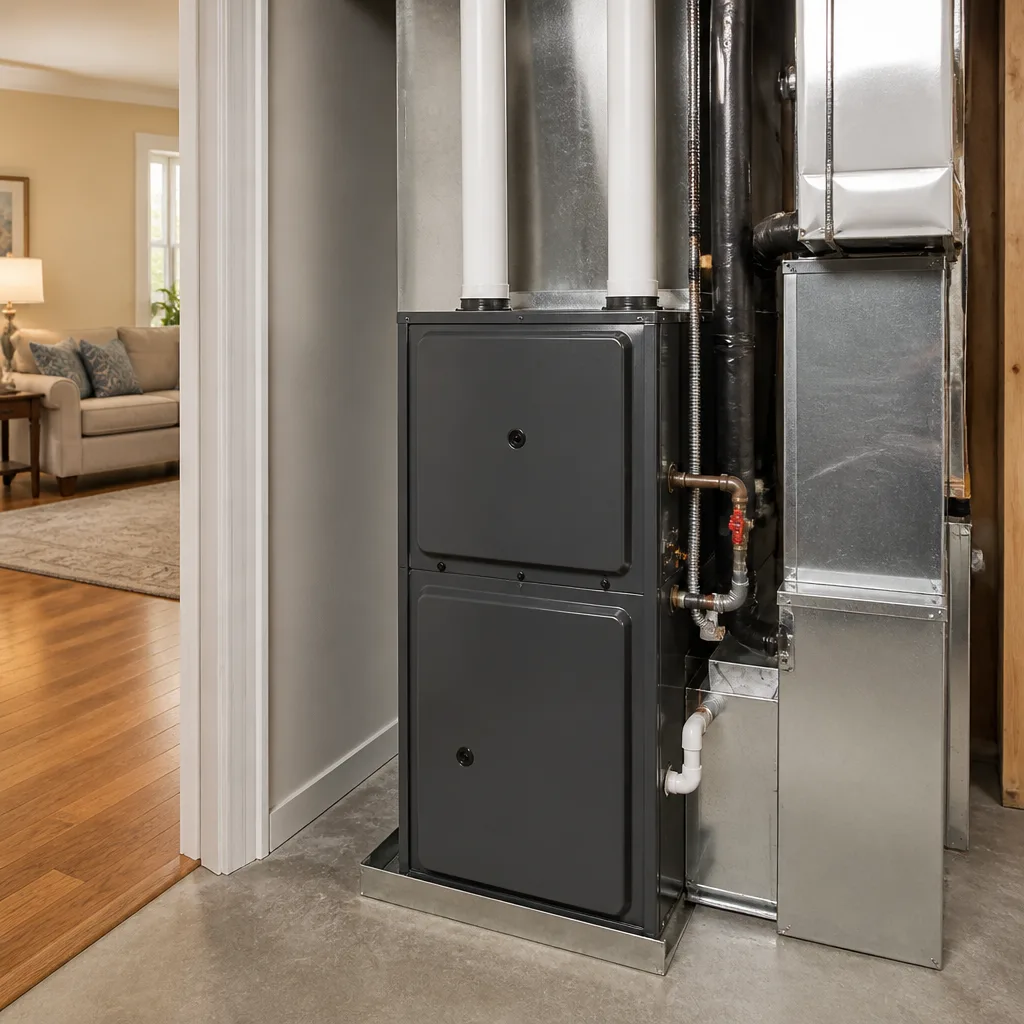 Furnace & heating
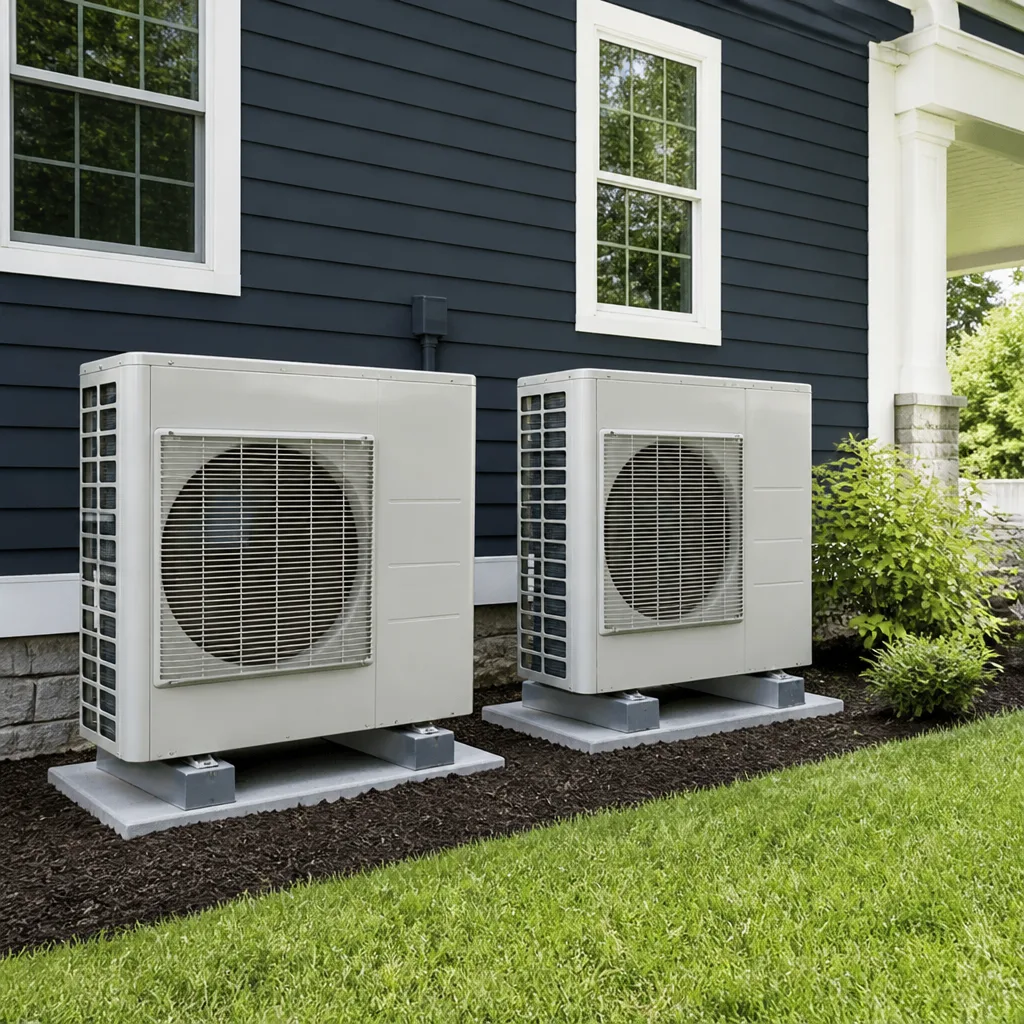 Heat pumps
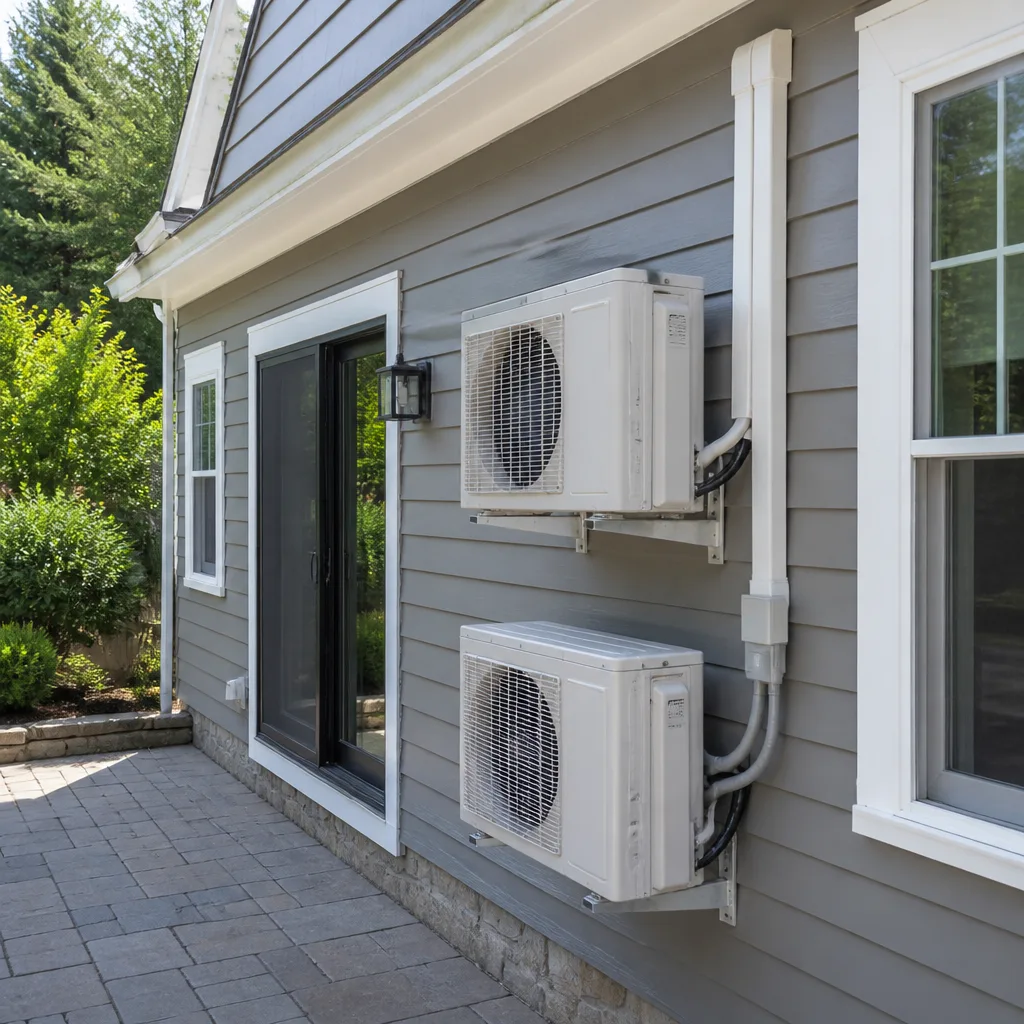 Ductless mini splits
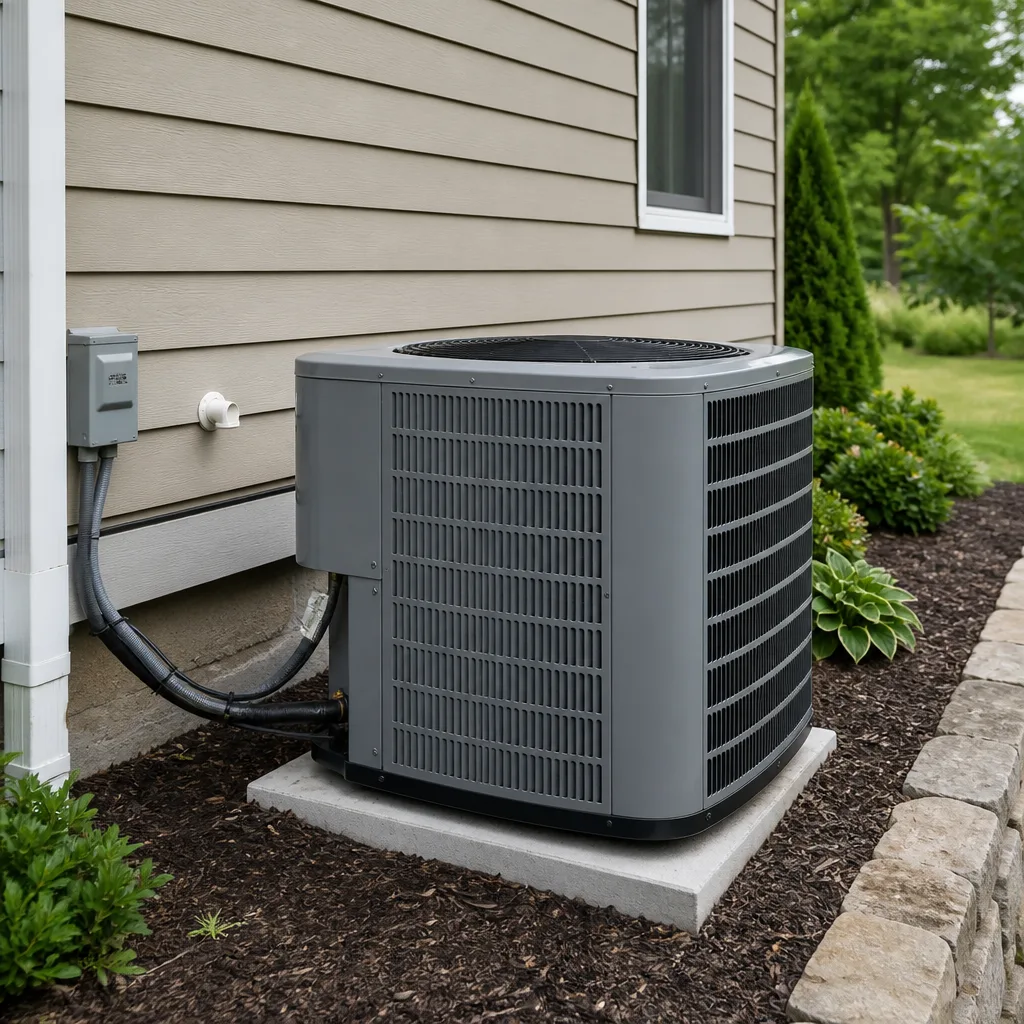 Carrier
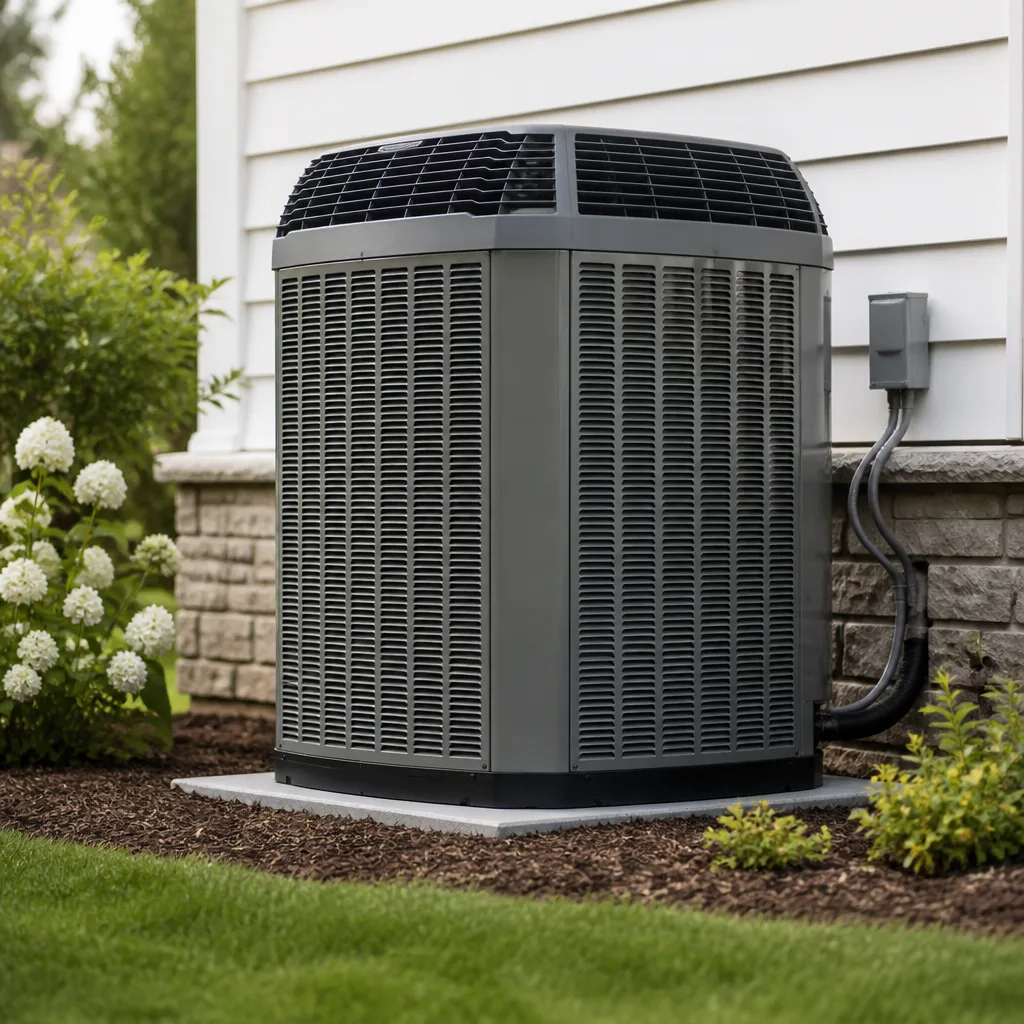 Trane
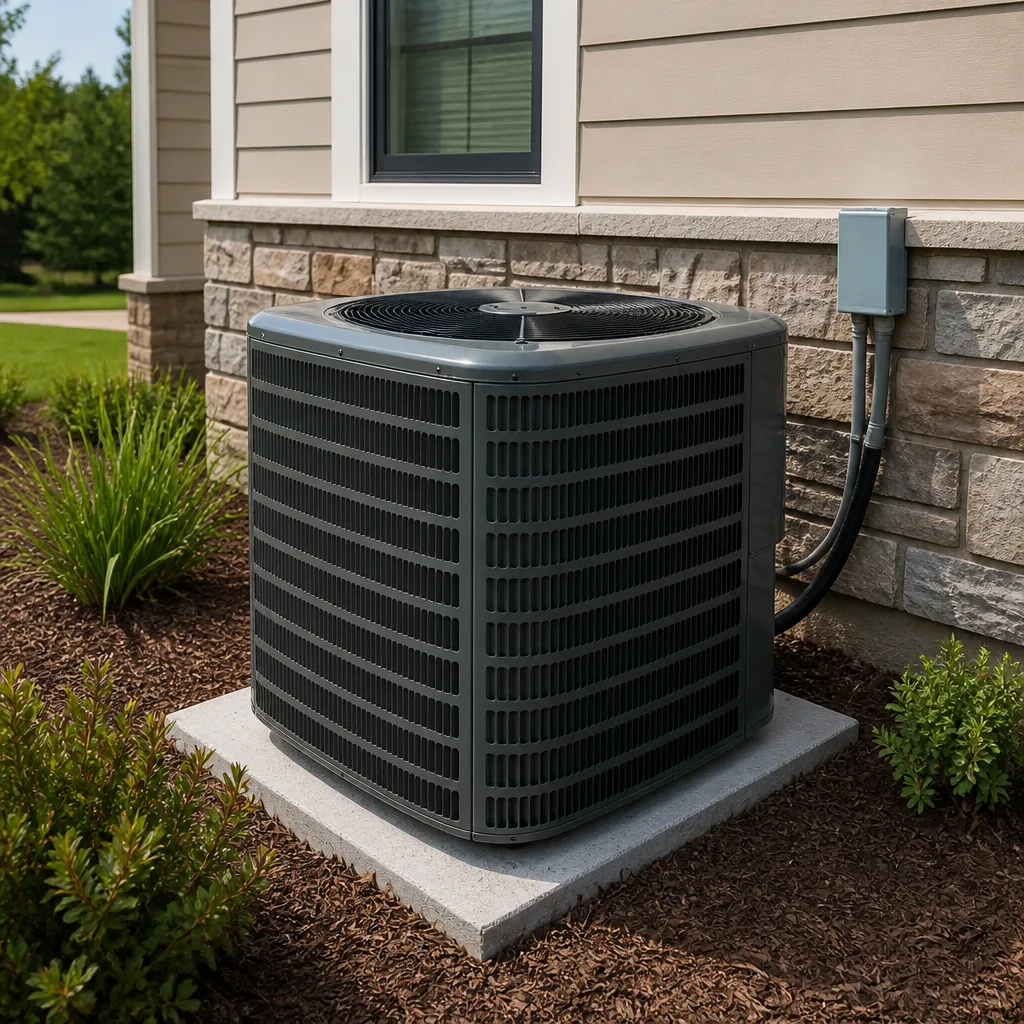 Goodman
Seasonal tune-up and full diagnostic on your Carrier, Trane, or Goodman system - readings shown to you before any repair is proposed
Diagnosis first, numbers second - you approve the repair price before a single part goes in.
Get your free estimateHVAC Warning Signs: A Davie Homeowner’s Reference Guide
A system that short-cycles every few minutes and a system that won’t start at all get the same panicked phone call, yet they sit at completely different points on the urgency scale. One is often a small electrical part; the other can point to a refrigerant problem that’s been quietly building for months. Most warning-sign guides hand you a symptom list and leave you to guess which bucket you’re in. This one doesn’t. Here you’ll find each common sign sorted into three tiers – same-day call, schedule within a week, or monitor with a specific trigger – plus the Davie-specific reasons behind the signals we see most often, from musty air in the vents to ice on the unit in the middle of July.
Quick Answer
Call same-day for a system that won’t cool at all, ice on the outdoor unit, a burning smell, or a puddle of water near the air handler. Schedule within the week for short-cycling, weak airflow, rising electric bills, or musty odors that return after a filter change. Monitor, and keep a written log, for occasional noises or minor temperature swings that don’t repeat. The tier tells you how fast to act, not how serious the bill will be.
Styles & brands we work with
- AC repair
- Furnace & heating
- Heat pumps
- Ductless mini splits
- Carrier
- Trane
- Goodman
Table of Contents
- The three-tier urgency system, explained
- Short-cycling: the five most common causes in Davie homes
- Musty air from the vents: what it almost always means here
- Ice on the unit in a Florida summer
- Your electric bill as a diagnostic tool
- Weak airflow and temperature swings room to room
- Warning signs on the heating side
- When to call a professional
- Common mistakes to avoid
- Frequently asked questions
How to Sort an HVAC Warning Sign Into the Right Urgency Tier
Every symptom in this guide gets one of three labels. The label is a triage tool, not a price tag and not a diagnosis. It tells you how quickly to get an experienced technician eyes-on with the equipment, which matters because a small issue caught early usually stays small.
Tier 1 – Same-day call. These signs mean the system is either not doing its job or is doing something that could damage equipment or the home. Ice on the outdoor unit belongs here. So does a complete loss of cooling during a hot stretch, water pooling around the indoor unit, any burning or scorched-plastic smell, and a breaker that trips repeatedly when the system starts. If the house is unsafe to stay in without cooling, that’s a health question first and a repair question second.
Tier 2 – Schedule within a week. The system works, but it’s working harder than it should. Short-cycling, weak airflow from some vents, a bill that climbed without a behavior change, or a musty smell that comes back after a fresh filter all land here. You’re not in an emergency, but waiting a month rarely helps these get cheaper.
Tier 3 – Monitor with a specific trigger. An occasional tick, a faint rattle at startup, or one room that runs a degree or two warmer than the rest. Watch these with a concrete condition attached: if the noise becomes constant, if the room gap widens, or if the symptom shows up two days in a row, it moves up to Tier 2. Monitoring without a trigger is just waiting.
Here’s the shorthand in one place:
- Same-day: no cooling, ice on the unit, water leaking indoors, burning smell, tripping breaker.
- Within a week: short-cycling, weak airflow, high bill, returning musty odor, uneven temperatures.
- Monitor: intermittent noise, mild swings, single-room variance – with a written trigger to escalate.
One more thing about tiering. In Davie’s climate, cooling runs most of the year, so a Tier 2 problem has far more chances to worsen than it would in a place where the system sits idle half the year. We’d rather see a short-cycling unit in its first week than after a season of it.
Short-Cycling: Why Your System Starts and Stops Every Few Minutes
Short-cycling means the system turns on, runs briefly, shuts off before it finishes a normal cooling cycle, and repeats. It’s inefficient, it wears parts faster, and it usually has one of five causes. Ranked below by how often we see them in Davie homes, from the simplest fix up.
- A clogged air filter or blocked return. The most common cause by a wide margin. Restricted airflow makes the system overheat and trip its safety limit, then restart once it cools. New filters and clear returns are the cheapest possible fix.
- A failing capacitor or contactor. Small electrical parts that help the compressor and fan motor start. They degrade with heat, and heat is a constant here. A technician can test them in minutes.
- A thermostat that’s miscalibrated or badly placed. A thermostat near a sunny window or a supply vent reads the air near it, not the room, and shortens cycles on bad information. Sometimes the fix is location, not parts.
- An oversized system. A unit with too much capacity cools the air fast but leaves the house’s humidity high, so it satisfies the thermostat early and cuts out. This one shows up as a house that feels cold and clammy at the same time.
- Low refrigerant charge or a restriction in the lines. The most serious cause. When the charge is off, the system can’t complete a cycle and the compressor runs hot. This needs a proper leak investigation, not a top-off and a shrug.
Notice that the list runs roughly from cheapest to most involved. That ordering is deliberate. Before anyone quotes you a compressor, the filter, capacitor, and thermostat deserve a look. We work on the system you already own, whether that’s a budget Goodman or a high-efficiency Carrier, and the diagnostic path doesn’t change by brand. Straight answers on what your HVAC actually needs start with ruling out the simple items first.
What Musty Air From the Vents Usually Means in Davie
Musty air from the vents in a Davie home almost always points to moisture sitting where it shouldn’t: a wet filter, a damp evaporator coil, a drain pan that isn’t emptying, or growth inside the ductwork or on the indoor coil. It rarely means something exotic. The humidity here does most of the work.
That distinction matters because a lot of homeowners go straight to a duct-cleaning quote when the real culprit is a drain line that’s partially blocked. A pan that holds a little water, combined with the relative humidity we live with in Davie, creates exactly the damp, still environment that produces a smell. Fix the drainage and the coil surface, and the odor usually goes with it.
What musty air rarely means: it’s rarely a refrigerant leak (that tends to smell faintly sweet or chemical, not earthy), and it’s rarely a sign the whole system needs replacing. Most cases resolve with cleaning, drainage work, and a filter schedule that fits a humid climate – change filters more often here than the box recommends.
So which tier? If the smell clears after a filter change and stays gone, monitor. If it returns within a week or two, schedule it. If you also see water stains near the air handler or hear the blower running with no cooling, that’s a same-day call. Damp air in a closed house is also a comfort and indoor-air-quality issue, not just a smell.
Ice on the Unit in a Florida Summer: Why It Happens and What to Do
Ice on the outdoor unit in July sounds like a contradiction, and that’s exactly why it confuses people. Ice forms when the indoor coil gets too cold relative to the air moving across it. Two things cause that: restricted airflow (usually a dirty filter or coil) or a low refrigerant charge. Both push the coil temperature down until condensation freezes and the ice builds back toward the outdoor unit.
The immediate response matters more than the diagnosis:
- Turn the system off at the thermostat. Running it with ice on the coil forces the compressor to work against a blocked, frozen coil and can damage it.
- Don’t chip or scrape the ice. The coil tubing is thin and easy to puncture. A pinhole there turns a thaw-and-clean into a repair.
- Check the filter. If it’s clogged, replace it and note that you did.
- Let it thaw, then call. Once the ice is gone, the system must be checked for airflow and refrigerant charge before you trust it again.
Here’s the part that trips people up: turning the thermostat lower and letting it run “to catch up” makes ice worse, not better. The coil gets colder, airflow gets worse, and the freeze deepens. Ice on the unit is a Tier 1 same-day call. In our experience across Davie, it’s one of the clearest signals that a system needs a trained set of eyes on the charge and airflow together.
Reading Your Electric Bill as an HVAC Diagnostic Tool
A cooling bill that jumps 15 to 20 percent without a change in how you run the house is usually an HVAC signal. Behavior changes – guests, a new appliance, a hot stretch – explain some spikes. When there’s no explanation, the system is a strong suspect. It doesn’t mean something’s failing. It can simply mean the system is working harder to hit the same temperature.
What a sustained spike like that tends to point toward:
- A system running longer than it should, often from a dirty coil or filter (reduced airflow means longer runtimes for the same cooling).
- A failing capacitor or blower motor that makes startup and run less efficient.
- A refrigerant charge that’s drifted, so the compressor draws more power for less cooling.
- A duct leak pushing cooled air into the attic instead of your rooms.
- A thermostat reading the wrong spot and running the system beyond need.
Compare the same month year over year, not a summer month against a spring month, and write down what changed in the house. That one note saves a lot of guessing. A sustained spike with no behavior change lands in Tier 2: schedule within the week. A spike that comes with weak cooling or short-cycling moves up to Tier 1.
Weak Airflow and Uneven Temperatures Room to Room
Weak airflow from some vents and a room that never quite cools are among the most-reported signs in Davie, and among the most fixable. The air handler can only push so much air, and it needs clear paths on both ends: clean intake, clean filter, clean coil, and ductwork that isn’t leaking or crushed.
Work through these in order:
- Check the filter and every return. Furniture, rugs, and closed doors block returns more often than people expect.
- Open all supply registers in the affected rooms. It sounds obvious; it’s still the most common cause of one cold room and one warm room.
- Note whether the problem is one room or half the house. One room points at that room’s duct run. Half the house points at the blower, coil, or main trunk.
- Look for crushed or disconnected flex duct in the attic. Good airflow depends on duct integrity you can’t see from inside.
If the filter’s clean, bedrooms are open, and one room still runs warm, that’s Tier 2. A single-room fix might be a balancing adjustment or a duct repair. Half-house problems are more likely to need a blower check or charge verification. Either way, uneven cooling during a hot stretch in Davie is worth resolving before it turns into a short-cycling complaint.
Warning Signs on the Heating Side
Davie winters are mild, so heating problems get less attention than they deserve – and that’s a mistake. A furnace that hasn’t been looked at in a long while still has electrical parts, a blower, and (in gas units) a combustion path, and the first cold snap is when problems surface. A company whose name leads with “AC” doesn’t always tell you whether it handles heat, so here’s the plain answer: we handle both, including furnace repair and full replacement, and we work on the brand you already own.
Signs to take seriously:
- A burning or fuel smell near the furnace. That’s a same-day call. Gas is not a wait-and-see.
- Yellow or inconsistent flame in a gas unit – should be blue and steady. Erratic color can indicate a combustion issue and warrants a professional check.
- A furnace that runs but never seems to warm the house – often airflow or blower.
- Repeated ignition attempts without a stable flame, a cycle of clicking and stopping.
- Rattling or banging on startup – sometimes a blower, sometimes the ductwork.
For any gas-related concern, a trained technician should handle it. We don’t give do-it-yourself instructions for anything involving a gas line or burner, because it’s not a task a homeowner should take on. If you’ve had heating trouble in a Davie house before, keep it on a regular check so it doesn’t surprise you the first cold morning you need it.
Common Mistakes to Avoid
- Running the system harder when it’s frozen or short-cycling. Turning the thermostat down doesn’t fix low charge or restricted airflow, and in the ice case it makes it worse. Shut it off and call.
- Treating every symptom as an emergency, or every symptom as nothing. Not every complaint is a same-day call, and not every complaint is safe to ignore. Sorting by tier is how you spend your time and money where they matter.
- Top-offs without a leak investigation. A system that’s lost refrigerant somewhere will lose it again. A proper fix is finding the leak, then deciding what the system needs.
- Replacing a whole system on the strength of one symptom. Before a replacement quote makes sense, the filter, capacitor, thermostat, coil cleanliness, and refrigerant charge should all be ruled in or out. Repair first; replace only when it makes sense for you.
- Changing the filter on a winter calendar in a year-round climate. Here the system runs most of the year, so filter intervals should be shorter than the box number most units paste on the filter.
- Ignoring a rising electric bill because the house “still feels cool.” Long runtimes can keep you comfortable on the surface while quietly costing more each month. A 15 to 20 percent spike is a signal worth investigating.
- Assuming your AC specialist won’t touch the furnace. Plenty of companies live on one side only. Ask early whether your technician handles both, so you’re not left finding a second contractor in a cold snap.
See the difference
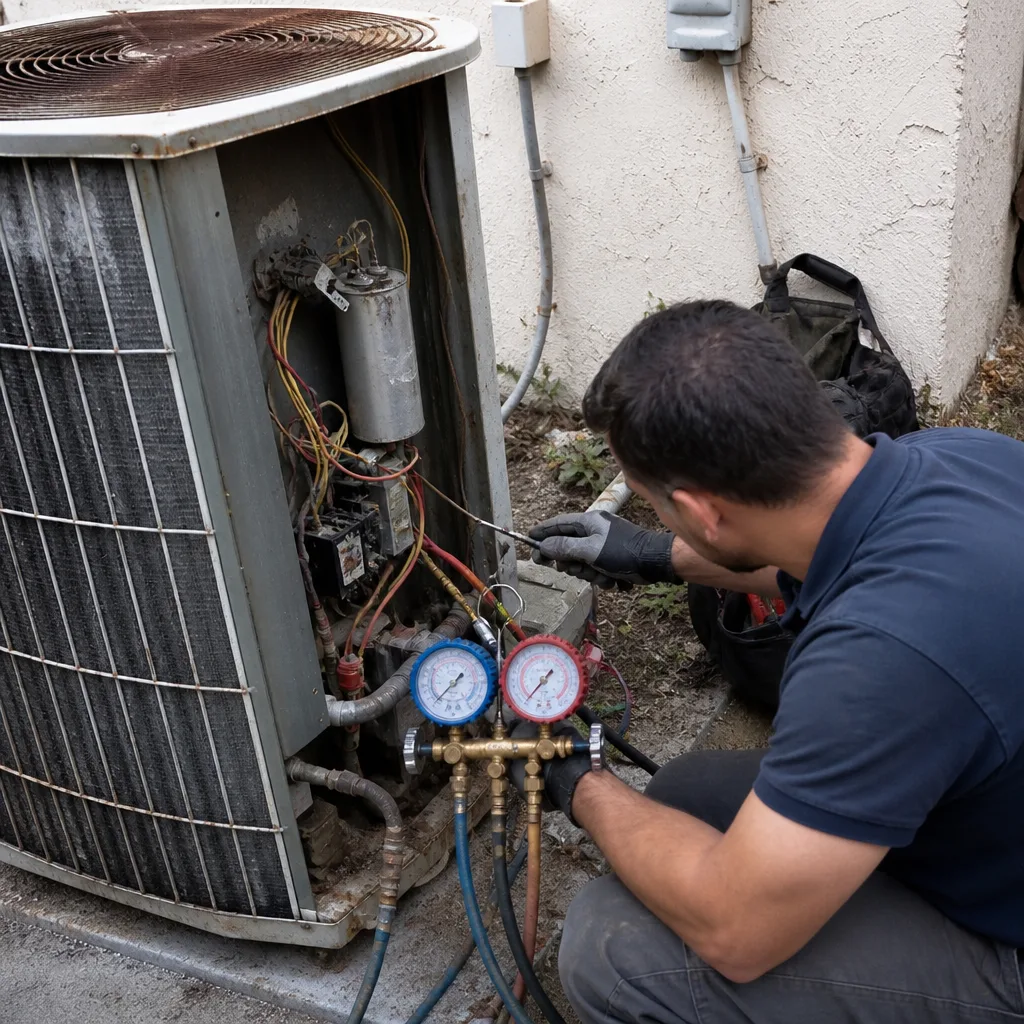 Before
 After
 Before
 After
 Before
 After
When to Call a Professional
Call a professional same-day for a system that isn’t cooling, ice on the outdoor unit, burning or fuel smells, water pooling indoors, or a breaker that trips each time the system starts. Call within the week for short-cycling, weak airflow, a 15 to 20 percent bill jump without a behavior change, or a musty smell that returns after a filter change. And call before the next cold snap if your heating hasn’t been checked in years. Many of these signs are cheap to fix early and expensive late, which is why triage matters more than the symptom list.
Our technicians have up to 15 years of experience across nine major brands – Carrier, Trane, Lennox, Goodman, Rheem, York, Daikin, Bryant, and American Standard – which means we work on your system, not just the brands we prefer to sell. Whether it’s a Goodman or a Trane, we know it. If you’re looking at a repair-versus-replace decision, we’ll help you weigh it honestly, and we can also quote AC installation if a replacement is genuinely the better path. For a homeowner in Davie, a clear reading of your system’s condition is the whole point. Davie AC Repair offers free estimates, so call (833) 548-1941: we answer 24/7, with fast dispatch from 7am to 7pm, Sunday through Friday. You can also read more about our full scope and Davie AC Repair on our main page.
Frequently Asked Questions
Ice on the outdoor unit or a complete loss of cooling with a burning smell. Both are same-day calls. Turn the system off, then call (833) 548-1941 for a free estimate. Running it with ice on the coil or a heat-related smell risks damaging the compressor or a safety component.
No. The most common cause – a clogged filter or blocked return – is the cheapest fix on the list, and it should be checked before anything else. Failing capacitors, a mis-placed thermostat, an oversized unit, and low refrigerant are the other likely causes, in roughly that order of frequency. Start with the filter, then book a visit within the week if the cycling continues.
Because the ice forms on the indoor coil first, when the coil gets too cold relative to the air passing over it. That happens from restricted airflow or a low refrigerant charge. Turn the system off, let it thaw, change the filter, and call. Don’t chip it and don’t run it harder – both make it worse.
Often, yes. A jump in that range with no behavior change usually points to longer runtimes, a dirty coil, a drifting charge, or a duct leak. Compare the same month year over year and write down any changes in the house. Call (833) 548-1941 for a free estimate if the spike holds – a quick read of the system beats guessing.
That’s a Tier 2 signal and points to moisture sitting somewhere the filter can’t reach – usually a damp evaporator coil, a drain pan that isn’t emptying, or growth in the ductwork. A filter change alone won’t fix persistent musty air because it starts upstream. Worth a look before it affects your whole home’s air quality.
The signs are the same across brands – short-cycling, ice, musty air, and bill spikes behave the same way on a premium Daikin and on a budget Goodman. What changes is the right recommendation for your home. We work on the nine brands you’re most likely to own, so the answer is based on your equipment and budget, not a manufacturer incentive. Call (833) 548-1941 for a free estimate.
The Bottom Line
The point of this guide is to move you from “something’s wrong” to “here’s how fast to act.” Same-day: no cooling, ice on the unit, water indoors, burning smells, repeated breaker trips. Within a week: short-cycling, weak airflow, a 15 to 20 percent bill spike, and musty air that keeps coming back. Monitor: mild, intermittent signs – but with a written trigger to escalate. In Davie’s climate, cooling runs most of the year, so a small issue has more chances to grow than it would elsewhere. Repair first, replace only when it makes sense for you.
Written by the team at Davie AC Repair.