
Last updated November 15, 2026
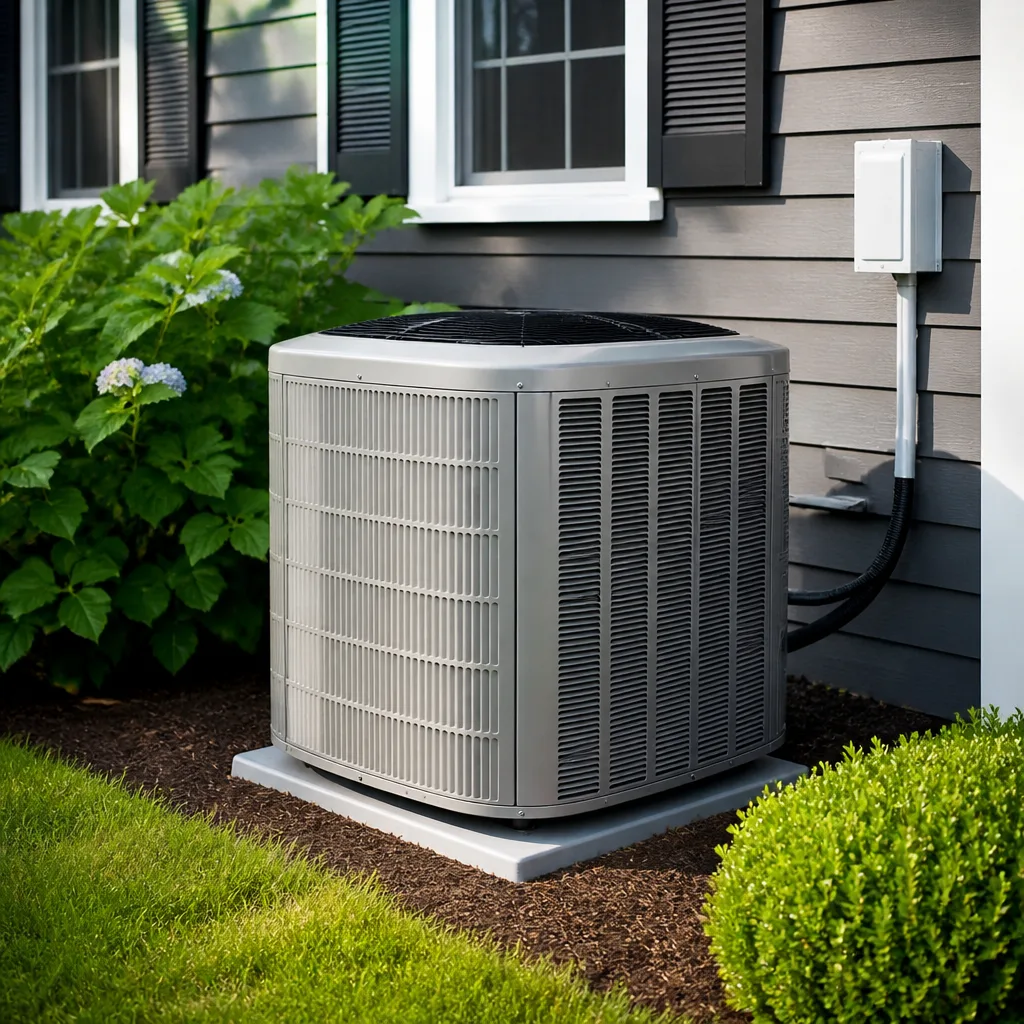 AC repair
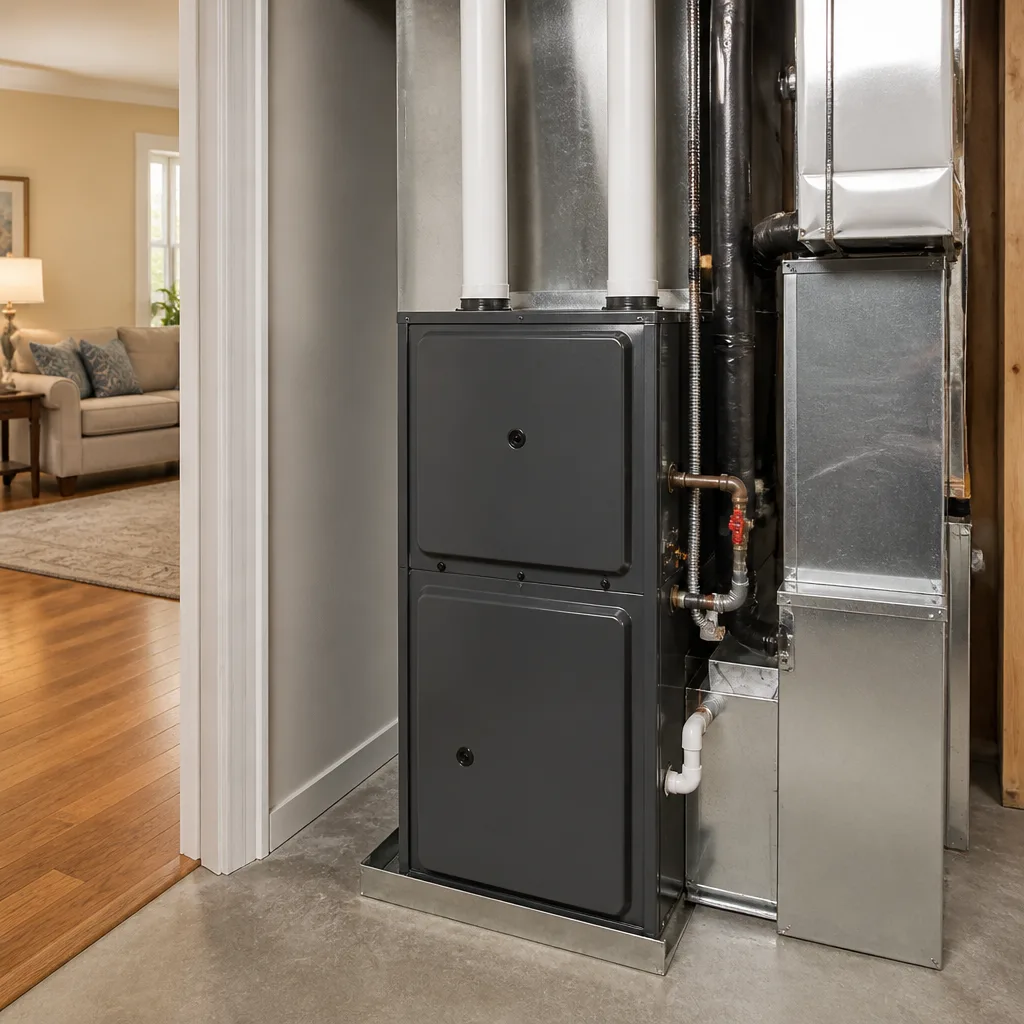 Furnace & heating
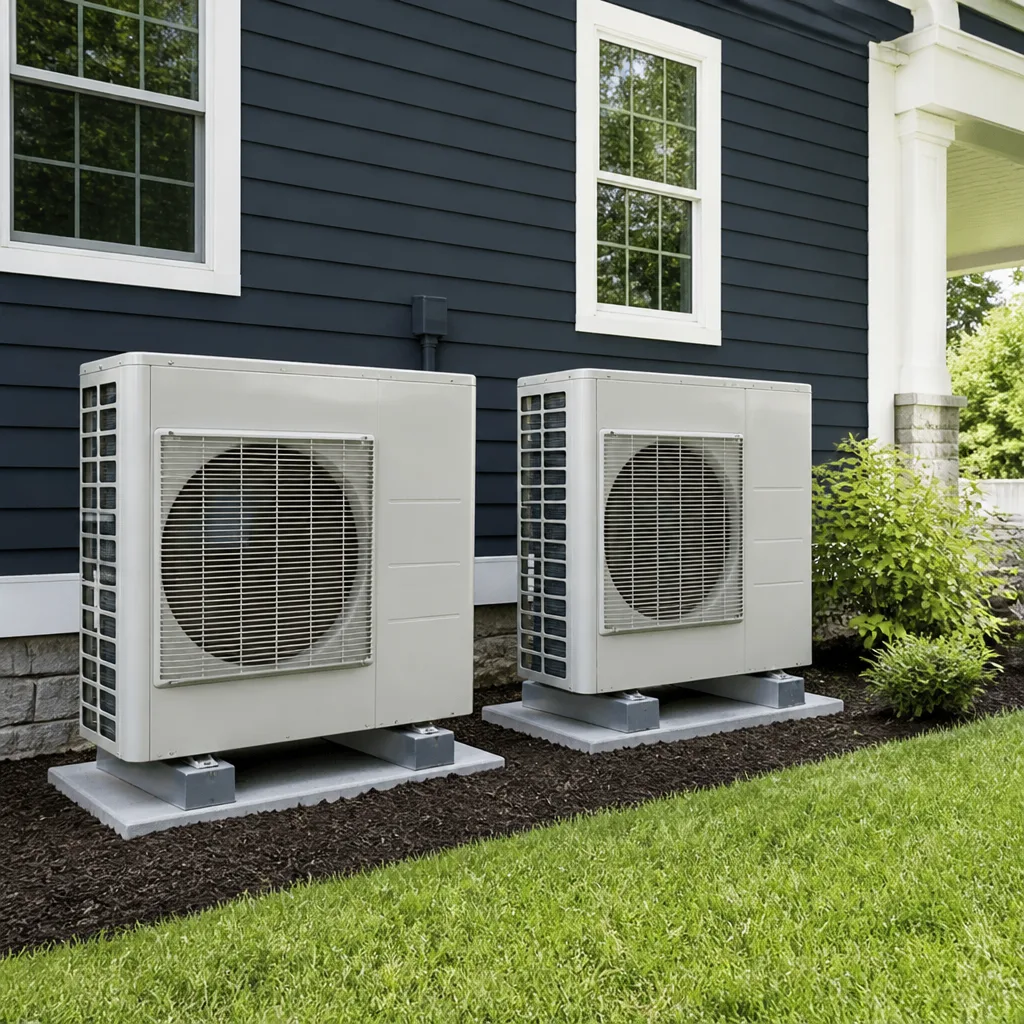 Heat pumps
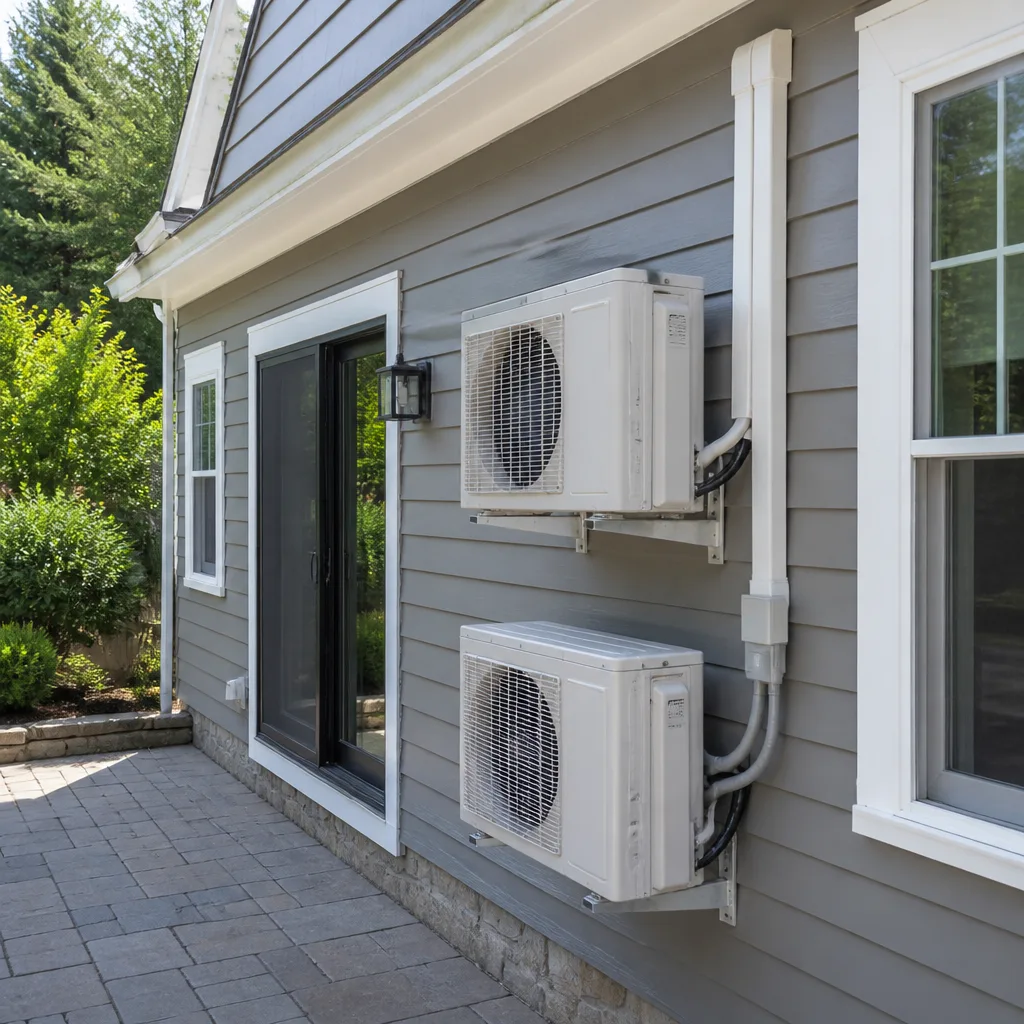 Ductless mini splits
 Carrier
 Trane
 Goodman
Seasonal tune-up and full diagnostic on your Carrier, Trane, or Goodman system - readings shown to you before any repair is proposed
Diagnosis first, numbers second - you approve the repair price before a single part goes in.
Get your free estimateHVAC Permits, Codes & Inspections in Davie, FL: What You Need to Know
Most homeowners think about permits the way they think about dental appointments: unpleasant, easy to postpone, and probably optional. That instinct is exactly backwards. An unpermitted HVAC replacement sits quietly in your home and causes no visible trouble for years. Then you list the house, or you file a claim after a storm, and it surfaces all at once. The person who suggested skipping the permit has usually moved on. You own the problem. This guide lays out what triggers a permit on HVAC work in Davie, what happens when an inspection fails, and how to check work that’s already been done on a home you own or one you’re about to buy.
Quick Answer
Any HVAC work in Davie that involves replacing or newly installing equipment, running new refrigerant or electrical lines, or altering the system’s layout requires a municipal permit and a subsequent inspection. Routine service, filter changes, minor repairs to an existing unit, and troubleshooting qualify as maintenance and generally do not. If you’re unsure, pull the permit. It’s a small cost compared to the problems an unpermitted install can create at resale or during an insurance claim.
Styles & brands we work with
- AC repair
- Furnace & heating
- Heat pumps
- Ductless mini splits
- Carrier
- Trane
- Goodman
Table of Contents
- What HVAC Work Requires a Permit in Davie?
- Florida Energy Code Compliance and SEER2 Minimums
- What a Failed HVAC Inspection Actually Means
- How to Verify a Permit on Your Home or a Home You’re Buying
- Homeowner Permit Rights in Florida
- What Davie AC Repair Does and Doesn’t Handle
- Common Mistakes to Avoid
- When to Call a Professional
What HVAC Work Requires a Permit in Davie?
Full replacement of an air handler, condenser, or complete split system requires a permit. So does adding a new mini-split, converting a garage to conditioned space, or relocating a unit from one side of the house to another. Those installations involve refrigerant work, electrical connections, and sometimes structural changes, all of which fall under the building department’s inspection process. In our experience, most homeowners are surprised that replacing a condenser “like for like” still needs approval. It does.
Routine repair does not. If a technician replaces a capacitor, a contactor, a blower motor, or a pressure switch in an existing system, that’s maintenance. No permit. The same goes for cleaning coils, changing filters, recharging refrigerant on a system that’s simply low, and diagnosing a fault. The line is drawn where the work involves new equipment, new penetrations, or new circuits.
Here’s where it gets less obvious. A repair that turns into a partial replacement, such as swapping an air handler in an older split system while keeping the original condenser, may require a permit depending on how the building department views it, because the new coil must be matched for refrigerant and efficiency. That’s a judgment call for the permit office, not the contractor. When it’s ambiguous, a legitimate HVAC company pulls the permit. It’s the only way to protect you.
We’ve pulled into countless driveways across Davie where the previous install was done without one. The homeowner doesn’t know until they see the gap in the record. That gap has consequences and they show up at the worst time.
If you’ve already had a system installed and you aren’t sure whether a permit was pulled, the short answer for AC installation done without one is this: you can still correct the record, but it costs more time and paperwork than doing it right the first time. Pulling the permit up front is always the smoother path.
Florida Energy Code Compliance and SEER2 Minimums
Florida adopted the SEER2 efficiency standard in 2023, and it applies to equipment sold and installed in Davie. What that means in practice: contractors must install equipment that meets or exceeds the current minimum efficiency, which depends on the system size and configuration. A homeowner who bought a discontinued unit at a discount and had it installed without a permit may now be sitting on equipment that wouldn’t have passed the inspection had one occurred. That’s a problem if the home is ever sold or the equipment is ever replaced under a warranty claim, because the paperwork trail won’t line up.
When you’re choosing new equipment, the SEER2 minimum is a floor, not a target. A budget-tier Bryant or Goodman unit that meets the minimum is fine for a well-insulated Davie home with a properly sized system. A premium Daikin or Carrier system with a higher SEER2 rating may be worth the difference if you’re planning to stay in the home long term and your electric bills are climbing. We give you both numbers and let you decide.
What a permit inspection checks for on efficiency compliance:
- The equipment’s model and serial numbers match the installed spec sheet and SEER2 rating claimed on the permit application.
- The unit is matched to the air handler or coil (correct refrigerant type, compatible capacities).
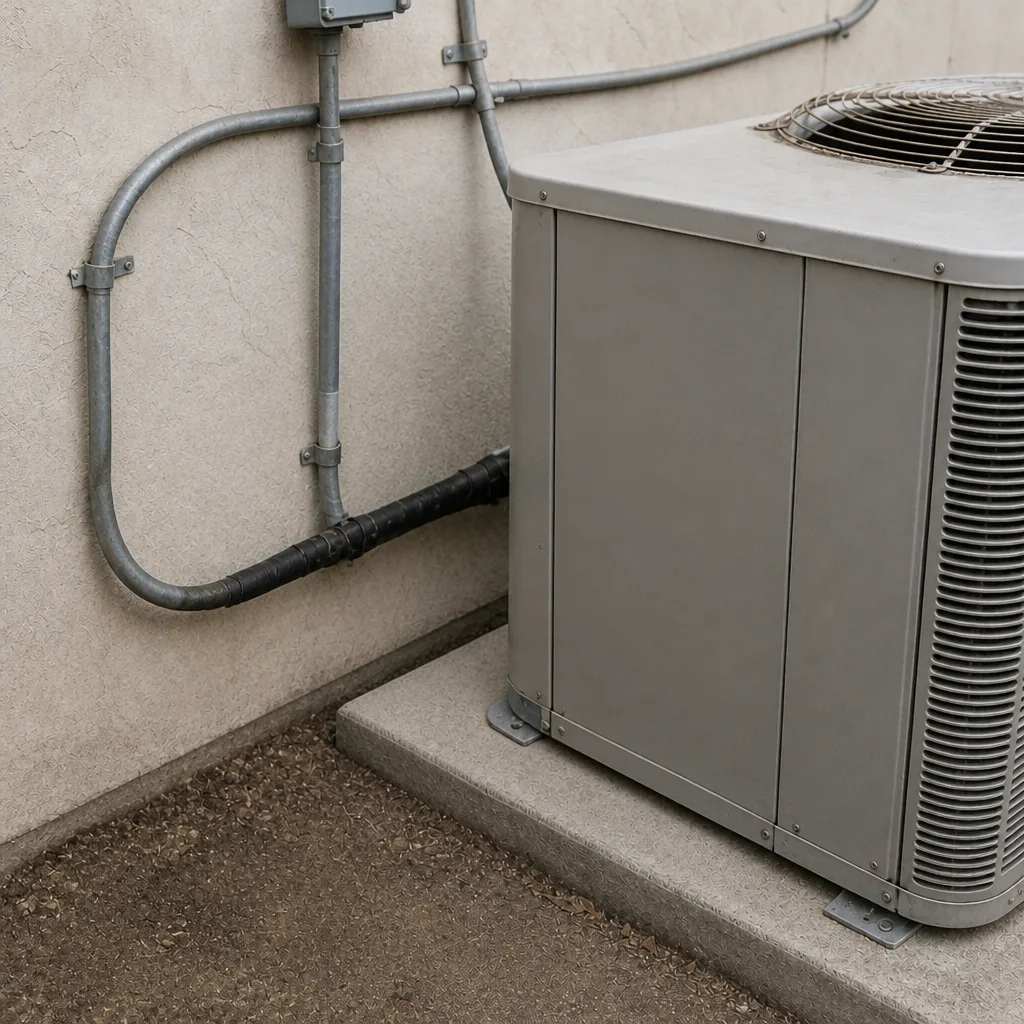
- The condensing unit sits level with proper clearance for airflow.
- Line set insulation is intact and routed correctly.
- Electrical disconnect and breaker size match the equipment’s data plate.
In our experience, the most common SEER2 compliance failure isn’t a cheap unit. It’s a mismatched system: a high-efficiency condenser paired with an old air handler that wasn’t designed for it, which technically violates the matching requirement even though the individual pieces were within spec. That’s a permit inspection kickback almost every time. We see it often in Davie homes where a previous contractor swapped only the outdoor unit to save money on the quote.
What a Failed HVAC Inspection Actually Means
A failed HVAC inspection does not mean the whole installation has to be torn out. It means the inspector found one or more items that don’t conform to the code the permit was issued against, and the contractor must correct them before the permit can be closed. Most failed inspections are minor: missing insulation on a line set, an incorrectly labeled disconnect, a condensate drain routed without the required trap, or a missing secondary drain pan where one is required. Those get corrected and the inspection gets re-run.
There are two classifications worth understanding because they call for different responses:
- Correction notice. The inspector notes specific deficiencies. The contractor repairs them and requests reinspection. Work can continue in the meantime on other parts of the project. This is the normal path for small fixes.
- Stop-work order. The inspector finds a condition serious enough to halt all further work until it’s resolved. This can happen when equipment was energized without inspection, when structural or electrical concerns exist, or when the installation significantly deviates from the approved plan. A stop-work order is rare on a residential HVAC job, but it happens, and it’s expensive to unwind.
In our experience in Davie, most failures on residential HVAC inspections come down to three things: improper condensate management, inadequate electrical labeling, and mismatched equipment ratings. All three are preventable in a well-run installation. A contractor who knows what the local inspector is going to look for installs to that standard the first time.
If you’ve already had a failed inspection on work another contractor performed, you can usually get it corrected. The correction phase is a good time to bring in a second opinion, because a contractor whose work failed once may repeat the same mistakes. We can look at what the inspector flagged and tell you whether the fix is straightforward or whether there’s a deeper problem. That diagnosis is part of the furnace repair and AC work we do across the area, and it doesn’t require you to commit to a full replacement.
How to Verify a Permit on Your Home or a Home You’re Buying
Whether you want to confirm the permit record on your current home or on a home you’re buying, the process is the same. You can pull the permit history for any property in Davie from the town’s building department, and the county also maintains a record of permits issued within its jurisdiction. The record will show the permit type, the date it was issued, the contractor of record, and whether it was inspected and closed.
A step-by-step check:
- Find your property’s parcel or address record. Most building departments accept a street address. Some portals also want a folio or parcel number, which is on your tax bill.
- Search the permit history for the past 10 to 15 years. Look specifically for permits labeled as mechanical, HVAC, or air conditioning.
- Compare each permit’s date and description to the age of the equipment you see. If the outdoor unit is newer than the last HVAC permit on file, that’s a red flag.
- Confirm the permit status. A permit that was issued but never inspected and closed is a defect, even if the equipment works fine.
- Write down the contractor of record. That’s who performed the work, and it’s the person you’d go back to if the installation fails.
When you’re buying a home, this is the single most useful 20-minute check you can do during the inspection period. A home inspector typically won’t pull permit records, and a real estate agent won’t either. It’s on you and your agent to ask for the permit history as part of the disclosure package. When the record shows an HVAC replacement with no permit, that’s leverage at the negotiating table or a reason to walk away.
If you’re already in the home and discover that a past install wasn’t permitted, you have options. You can have the installation inspected retroactively by bringing it up to current code and pulling a corrective permit. That’s usually feasible if the equipment is still serviceable. It’s less feasible if the equipment itself doesn’t meet current SEER2 minimums. In that case, replacement may be the only clean path to a compliant record.
Homeowner Permit Rights in Florida
Florida allows a homeowner to pull a permit for work on their own homestead, including HVAC work, in some cases. That right is real but narrow. What it does not do is eliminate the inspection requirement or the insurance implications. Any HVAC work performed under a homeowner permit is still inspected to the same standard as work performed under a contractor’s permit.
What most homeowners don’t realize:
- A homeowner permit only covers work on the primary residence, and only work the homeowner will perform or directly supervise. If you hire a contractor, the contractor should pull the permit.
- The insurance implications are identical. Your policy doesn’t care who pulled the permit. It cares whether the work was inspected and passed.
- If you pull a homeowner permit and the work fails inspection, you’re the one who has to correct it and get reinspection. You’re also the one the town calls when the permit expires without being closed.
- Most HVAC installations require refrigerant handling, which requires EPA certification separate from the permit. A homeowner permit doesn’t grant that.
The cleanest arrangement for any work beyond simple maintenance is for the licensed contractor to pull the permit, perform the work, and coordinate the inspection through to a closed permit. That way there’s one name on the record and one party accountable if something goes wrong. When we handle work, that’s what we do: the permit is on us, the inspection is on us, and the record is clean when we’re done.
If you’ve heard that pulling a homeowner permit saves money, understand the reason it sometimes appears cheaper. The savings come from what the homeowner is not the contractor being responsible for, which means the risk shifted to you. On a project that costs what an HVAC installation costs in Davie, that shift isn’t a good trade.
What Davie AC Repair Does and Doesn’t Handle
We are the multi-brand HVAC specialist that Davie homeowners call when they want a technician who can work on whatever system they already own. Where many HVAC companies quietly steer customers toward the one or two brands they prefer to sell, our fluency across brands means the recommendation is about your home and your budget, not our margin. We’re certified to install and repair nine major manufacturers, including Carrier, Bryant, American Standard, and Daikin, from budget-tier up through premium high-efficiency models. Whether it’s a Goodman or a Trane, we know it.
When a permit is required, we pull it. We coordinate the inspection. We correct anything the inspector flags. When the work is complete, the permit is closed under our name, and you have a documented record to point to if the home is ever sold or the equipment becomes part of an insurance claim. That’s part of what we mean by repair first, replace only when it makes sense for you.
What we don’t do is give plumbing, electrical, or structural advice outside our lane, and we don’t take on permitting work that requires a contractor in a different trade. When a job crosses those lines, we’ll tell you who needs to be involved. One call is often enough for a single-trade HVAC job, but a renovation that touches the electrical panel or the roof is a different scope and a different set of permits.
Our technicians have up to 15 years of experience, and that experience includes straight answers about what your HVAC actually needs. If you’re considering an install and want to talk through the permit process, Davie AC Repair can walk through the sequence from inspection to final signature so you know what to expect before work begins. Nine brands. Two systems. One call.
Common Mistakes to Avoid
- Skipping the permit to save paperwork. The permit isn’t overhead, it’s the record. Without it, your installation doesn’t exist on paper and you absorb all the risk of that gap.
- Assuming like-for-like replacement doesn’t count. It does. In Davie, replacing a 2-ton condenser with another 2-ton condenser still requires a permit because the efficiency standard and installed equipment have to be verified by the inspector.
- Believing the inspector will “probably” pass it. The inspection isn’t a formality. Inspectors in Broward County look at equipment data plates, electrical connections, condensate management, and installation clearances. Improvised installs fail, and failure means correction and reinspection.
- Trusting “the seller pulled it” without checking. When buying a home, the seller’s claim that permits were pulled isn’t a substitute for pulling the record yourself. Look for the permit and the closed inspection. If both aren’t there, treat the installation as unpermitted.
- Pulling a homeowner permit to save money and then hiring a contractor anyway. That’s the worst of both options. The permit is on the homeowner but the work was performed by someone else, and the liability sits with the person who technically couldn’t legally perform the work.
- Ignoring SEER2 minimums when buying equipment. A deal on a discontinued unit can cost far more at resale or at insurance-claim time if the equipment doesn’t meet current code requirements.
- Letting a permit expire without closing it. Permits have expiration dates. A permit that lapses without a closed inspection is functionally the same as an unpermitted install. Track it and get the final inspection done.
When to Call a Professional
Call us when you’re planning an HVAC replacement and want someone who pulls the permit as a matter of course, not one who suggests skipping it. Call when you’re buying a home in Davie and the permit history shows a gap, especially on a system less than 10 years old. Call when an inspection has failed on work someone else performed and you want a second opinion on what needs correcting. Call when you’re uncertain whether a repair you’re considering crosses into replacement territory, because the answer determines whether a permit is required. Call when you need a system installed or replaced and you want the inspector’s sign-off included in the price you were quoted, not added afterward.
Davie AC Repair offers free estimates in Davie, and that estimate includes a plain explanation of what work the permit will cover and what the inspection will look at. Call (833) 548-1941. We answer 24/7. Fast dispatch from 7am to 7pm, Sunday through Friday.
See the difference
 Before
 After
 Before
 After
 Before
 After
Frequently Asked Questions
Yes. Full replacement of an air conditioner or complete split system in Davie requires a permit and an inspection. Routine repair on an existing unit does not, but any work involving new equipment or new electrical connections does. Call (833) 548-1941 for an exact quote, and estimates are free.
Florida adopted the SEER2 standard in 2023, and installed equipment must meet or exceed the current minimum for its size and configuration. The exact minimum depends on system capacity, so it’s worth asking your contractor to confirm the specific number in writing as part of the estimate. If your model was chosen at a discount because it’s a discontinued line, verify it still qualifies.
In some cases yes, but the inspection requirements and insurance implications are the same as work done under a contractor permit. The trade-off is that the responsibility for coordinating the inspection, correcting failures, and closing the permit sits with you. If you hire a contractor to perform the work, the contractor should generally pull the permit.
The work still functions but the record doesn’t exist. That becomes a problem when you sell the home, when you file an insurance claim involving the HVAC system, or when the equipment fails under warranty and the manufacturer wants installation records that include the permit. Correcting the record later is possible but usually costs more than the permit would have.
You can, and many people do without realizing it. That’s why pulling the permit history during the inspection period matters. If the record shows unpermitted equipment, you can negotiate a price reduction, ask the seller to correct it before closing, or walk away. Getting a professional opinion on whether the installation is code-compliant is worth the time and cost.
Search the building department’s permit record for your property address, and look for permits labeled as mechanical, HVAC, or air conditioning. Compare each permit’s date to the apparent age of your equipment, and confirm each permit was inspected and closed. If any work doesn’t match a permit, that’s a record to correct before you need it. Call (833) 548-1941 if you want help interpreting what you find.
The Bottom Line
Permits on HVAC work aren’t overhead, they’re your protection. When a contractor pulls the permit and closes the inspection, you have a documented record that travels with your home at resale and holds up when an insurance claim gets filed. When a contractor skips it, you inherit the risk. If you’re replacing or installing equipment in Davie, insist on the permit as part of the estimate. If you’re buying a home, check the permit history before you close. If you’ve discovered a gap on work already done, get it corrected before it surfaces at a worse moment. And if you want a straight answer about what your HVAC actually needs, whether it’s a small repair or a full install with permit and inspection handled, we’re one call away. Call (833) 548-1941. We answer 24/7. Fast dispatch from 7am to 7pm, Sunday through Friday.
Written by the team at Davie AC Repair.