
Last updated November 15, 2026
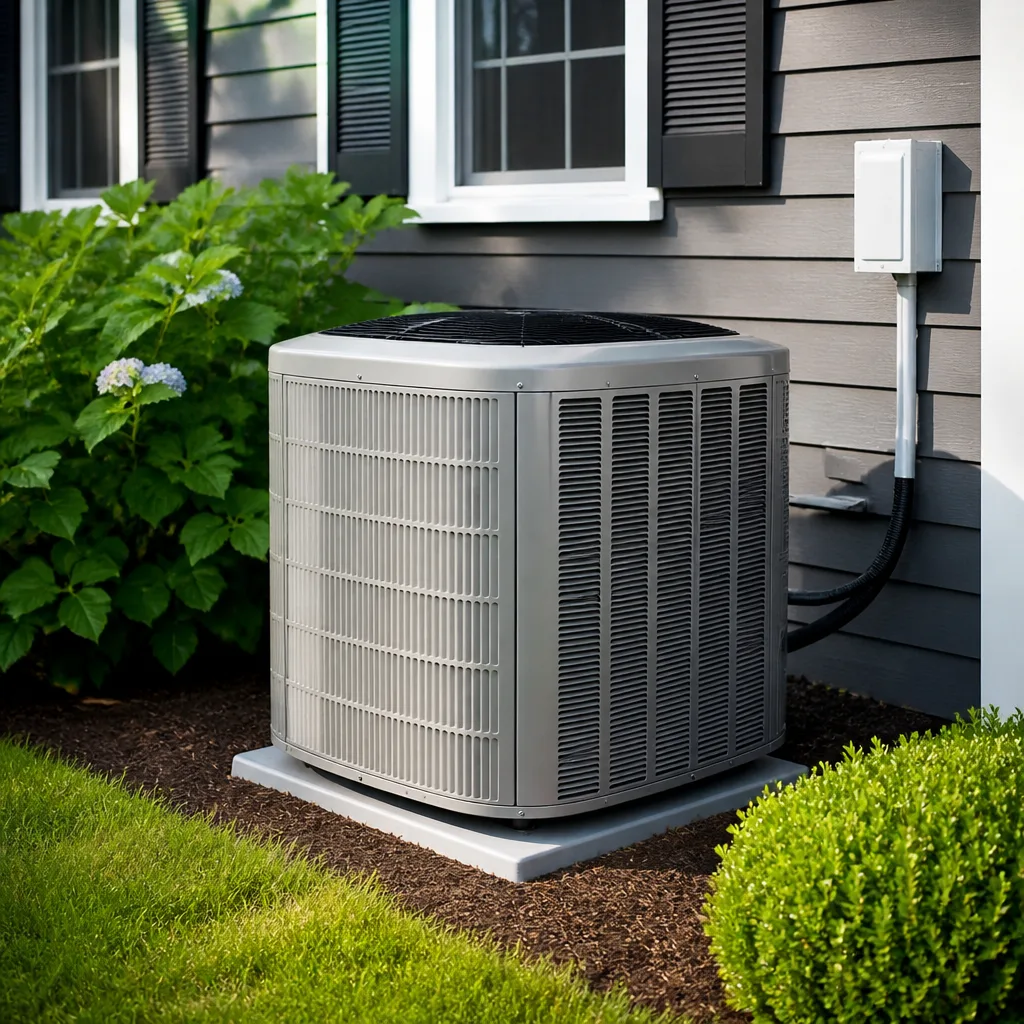 AC repair
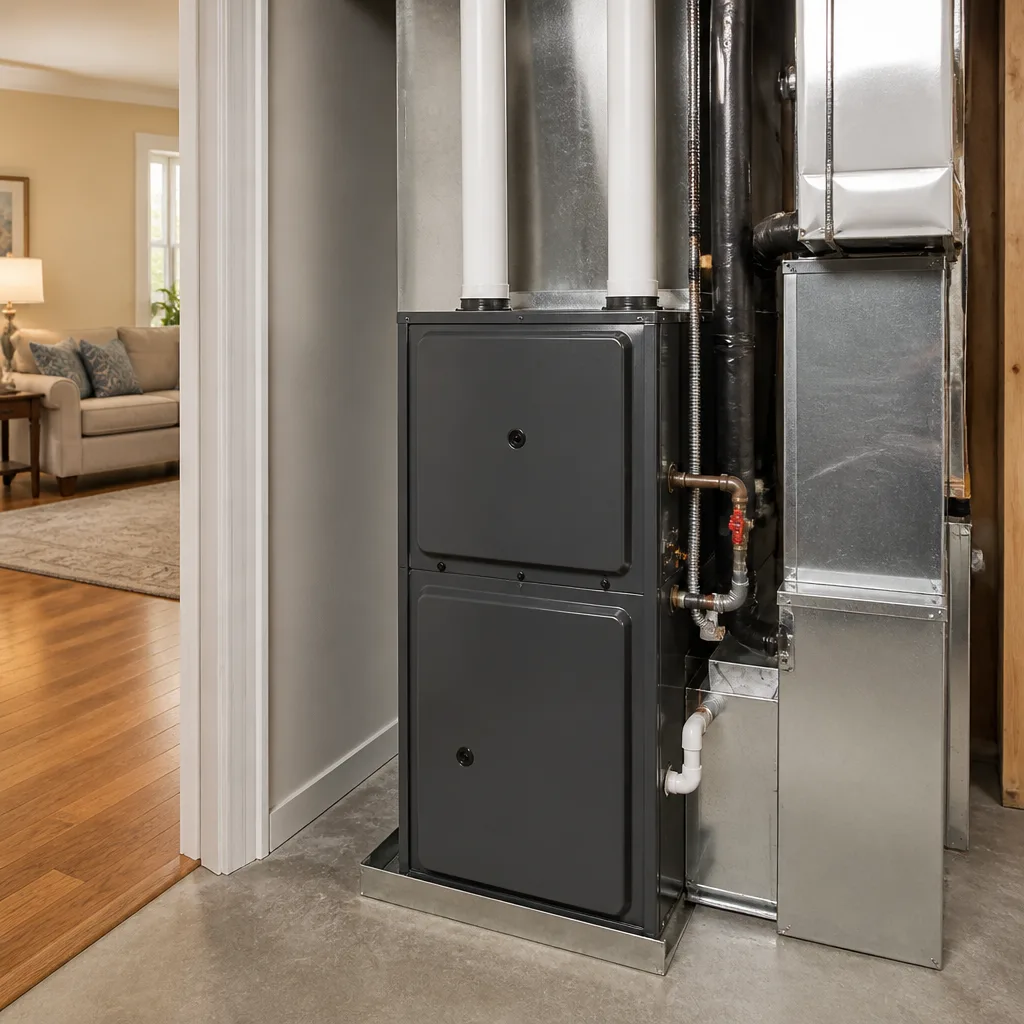 Furnace & heating
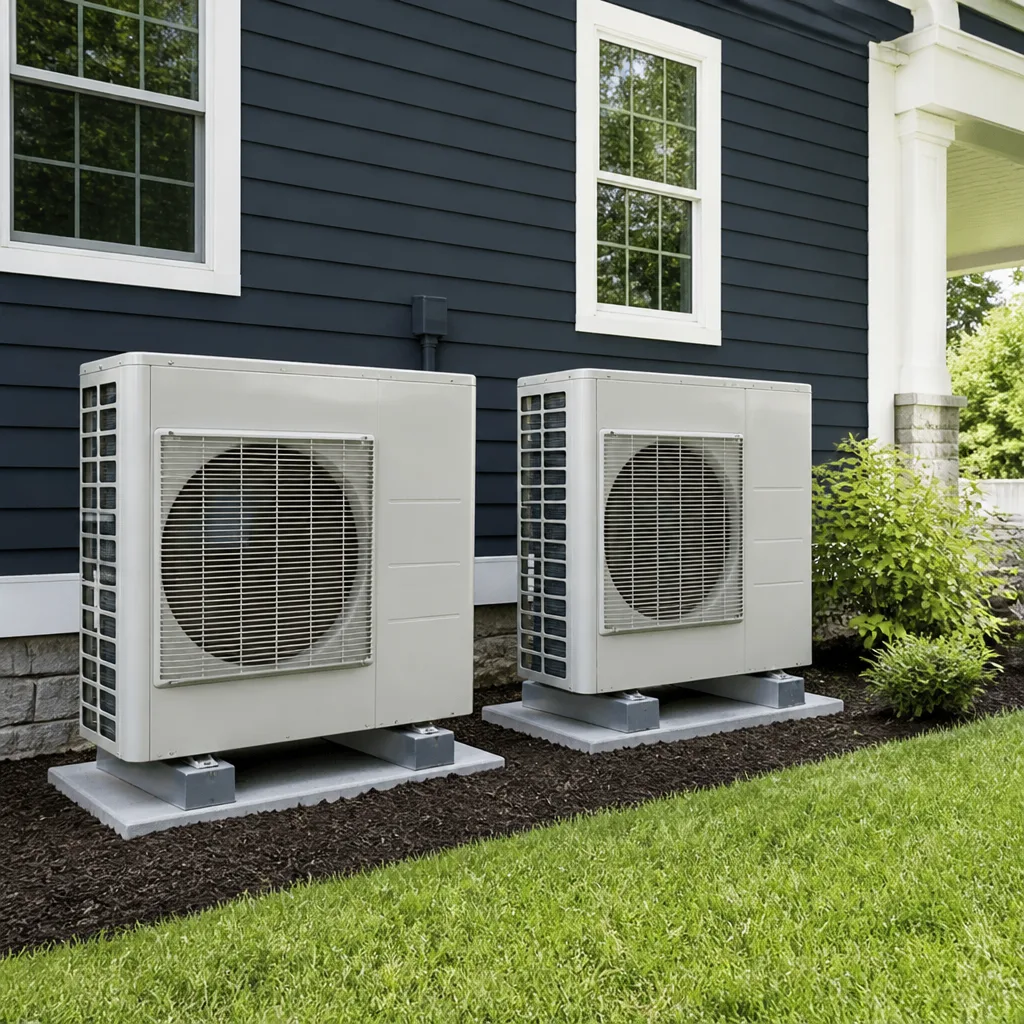 Heat pumps
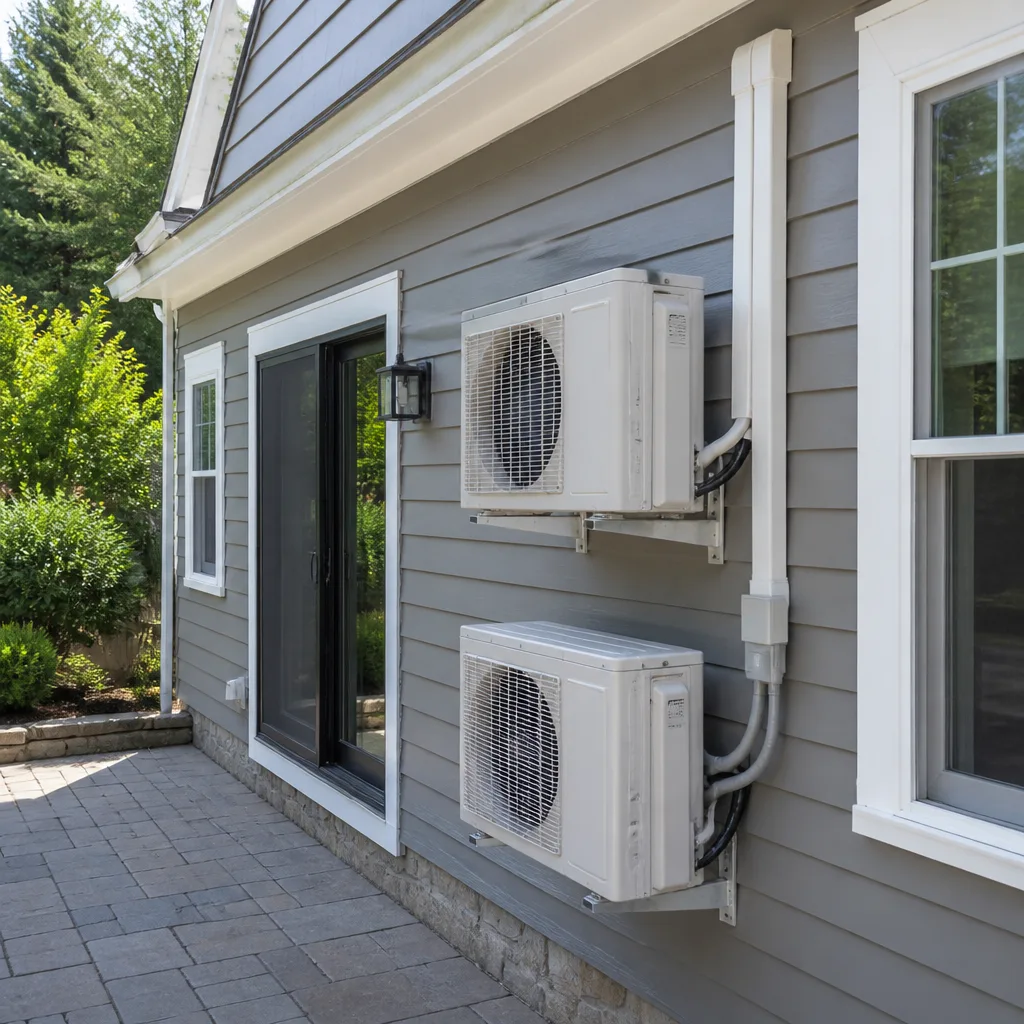 Ductless mini splits
 Carrier
 Trane
 Goodman
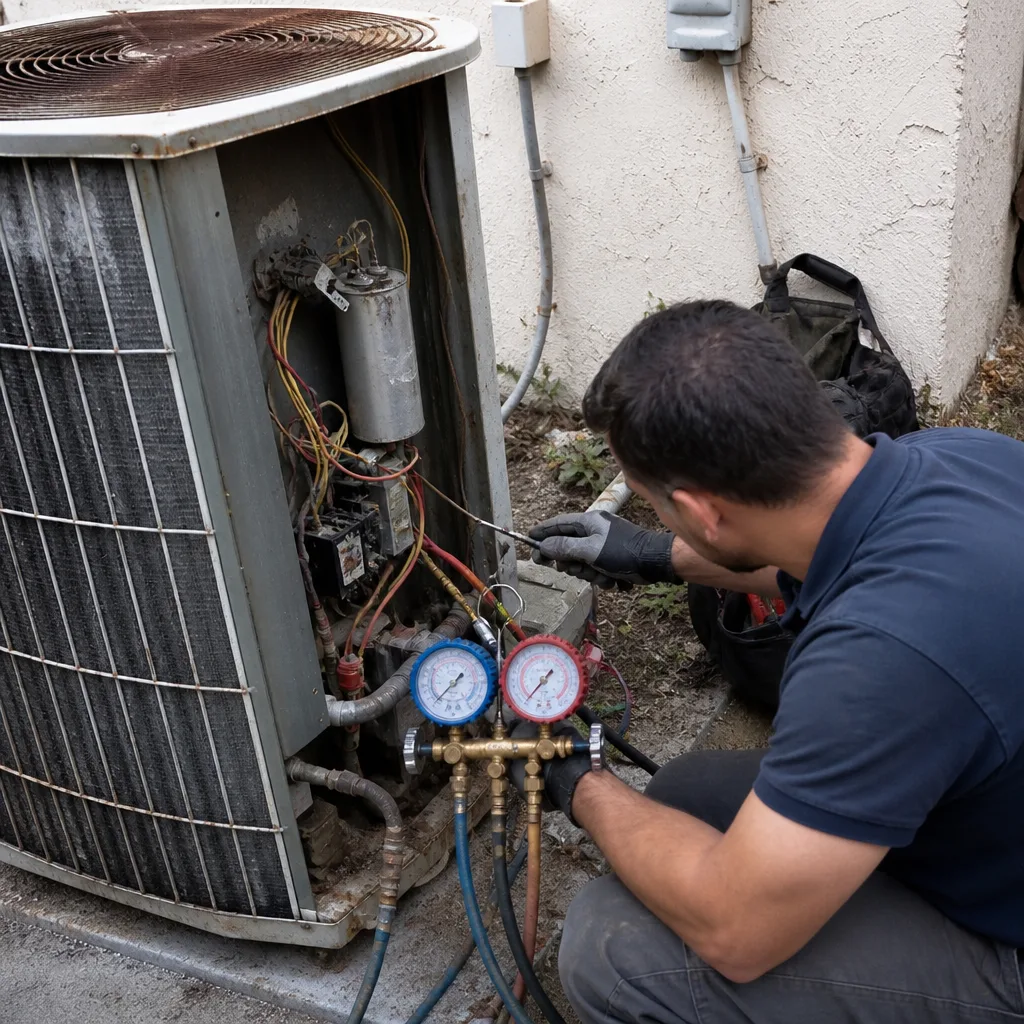
Seasonal tune-up and full diagnostic on your Carrier, Trane, or Goodman system - readings shown to you before any repair is proposed
Diagnosis first, numbers second - you approve the repair price before a single part goes in.
Get your free estimateAC Installation Maintenance Checklist for Davie Homeowners
Most maintenance checklists you find online come straight from a manufacturer’s generic PDF, written for a national average that doesn’t exist anywhere. That timeline assumes a real winter, a long heating season, and months of downtime for the equipment. Davie doesn’t work that way. Here, your cooling system runs through nearly every month of the year, pulling moisture out of thick subtropical air every time it cycles on. The result: parts wear on a different schedule than the manual predicts, and a checklist copied from a national template quietly skips the items that actually matter. This guide covers what to verify on installation day, the checks most contractors leave out, and how to build a maintenance calendar around Davie’s real conditions.
Styles & brands we work with
- AC repair
- Furnace & heating
- Heat pumps
- Ductless mini splits
- Carrier
- Trane
- Goodman
Quick Answer
A correct AC installation maintenance checklist for a Davie home includes: verifying refrigerant charge and static pressure on day one, cleaning the condensate drain and confirming proper pitch, inspecting and cleaning the indoor coil every 6-9 months (not annually, because of humidity-driven biofilm), rinsing condenser fins quarterly, checking protective fin coatings, and scheduling professional service twice a year rather than once. Because Davie’s cooling season runs roughly eleven months, the maintenance calendar has to be compressed compared to what national defaults assume.
Table of Contents
- Day One: What to Verify Before Your Technician Leaves
- Why Refrigerant Charge and Static Pressure Matter More Than the Manual Says
- The Drain Line: Small Part, Big Consequences in Davie Humidity
- Coil Cleaning Intervals in Davie’s Climate
- Salt Air and Condenser Fins: What Coatings Actually Do
- The 90-Day Post-Installation Check Nobody Asks For
- Building a Maintenance Calendar Around an 11-Month Cooling Season
- Common Mistakes to Avoid
- When to Call a Professional
- Frequently Asked Questions
- The Bottom Line
Day One: What to Verify Before Your Technician Leaves
The day your new system goes in, the clock starts ticking on a specific kind of wear. Davie’s heat load and humidity don’t wait for the “breaking in” period some installers mention. What happens in the first few hours of operation determines a surprising amount of what you’ll deal with over the next decade. The single most valuable thing you can do as a homeowner is confirm a handful of measurements while the technician is still on site, because once they’re gone, correcting them is on your dime or your time.
Here’s what to ask for in writing, ideally on the commissioning report:
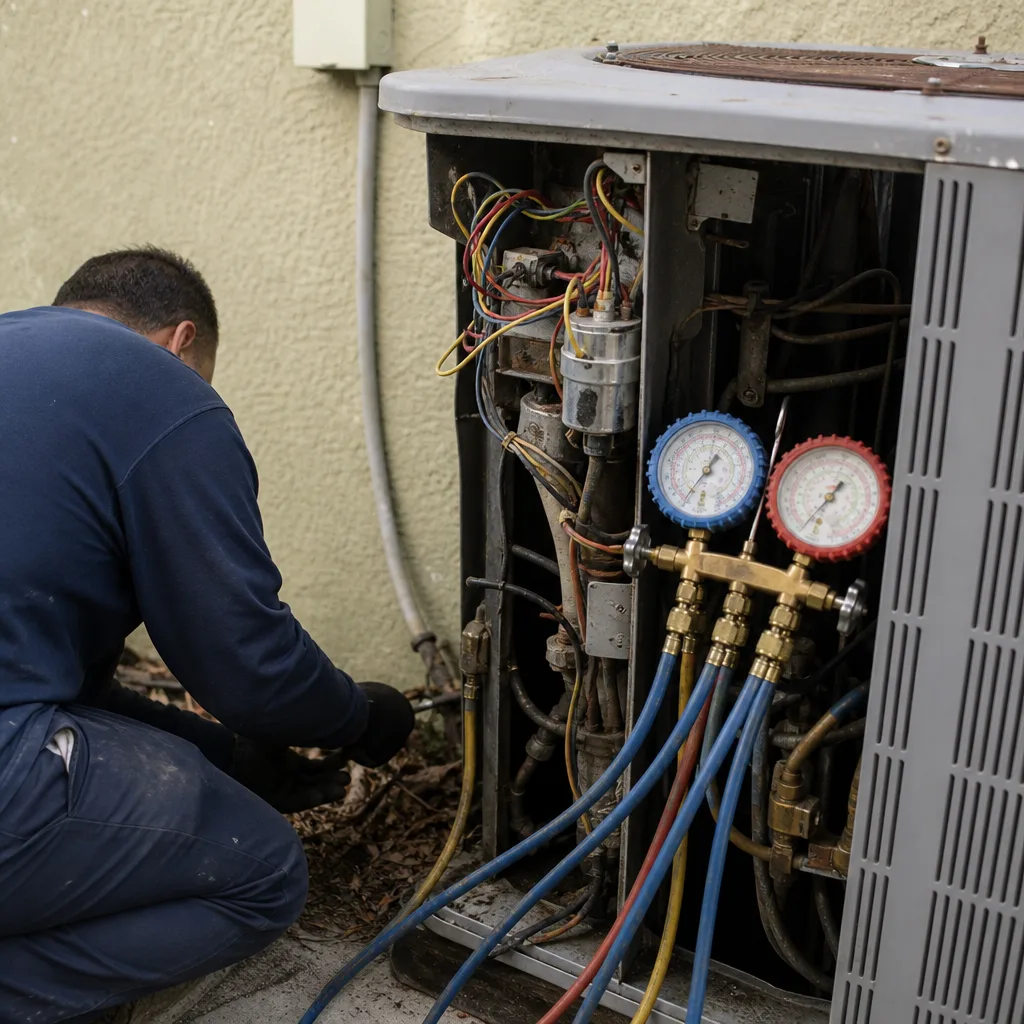
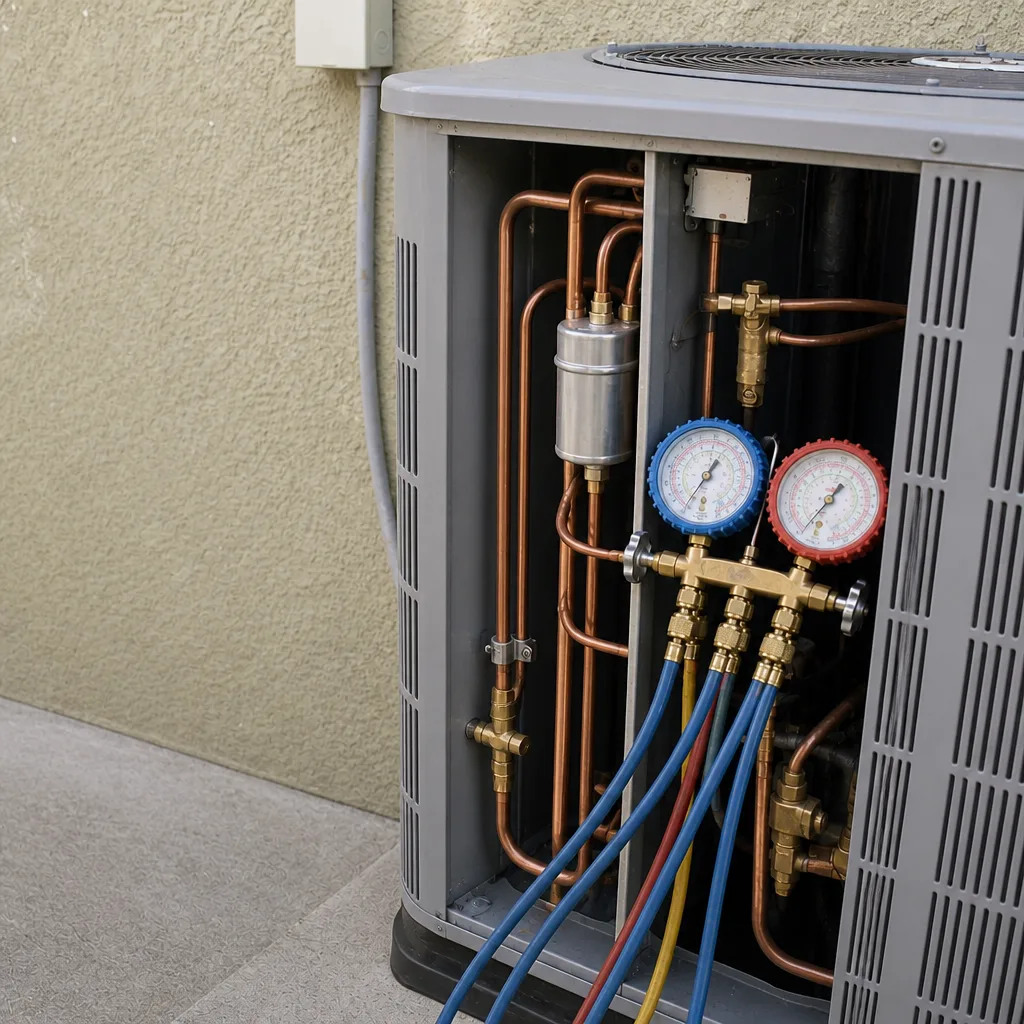
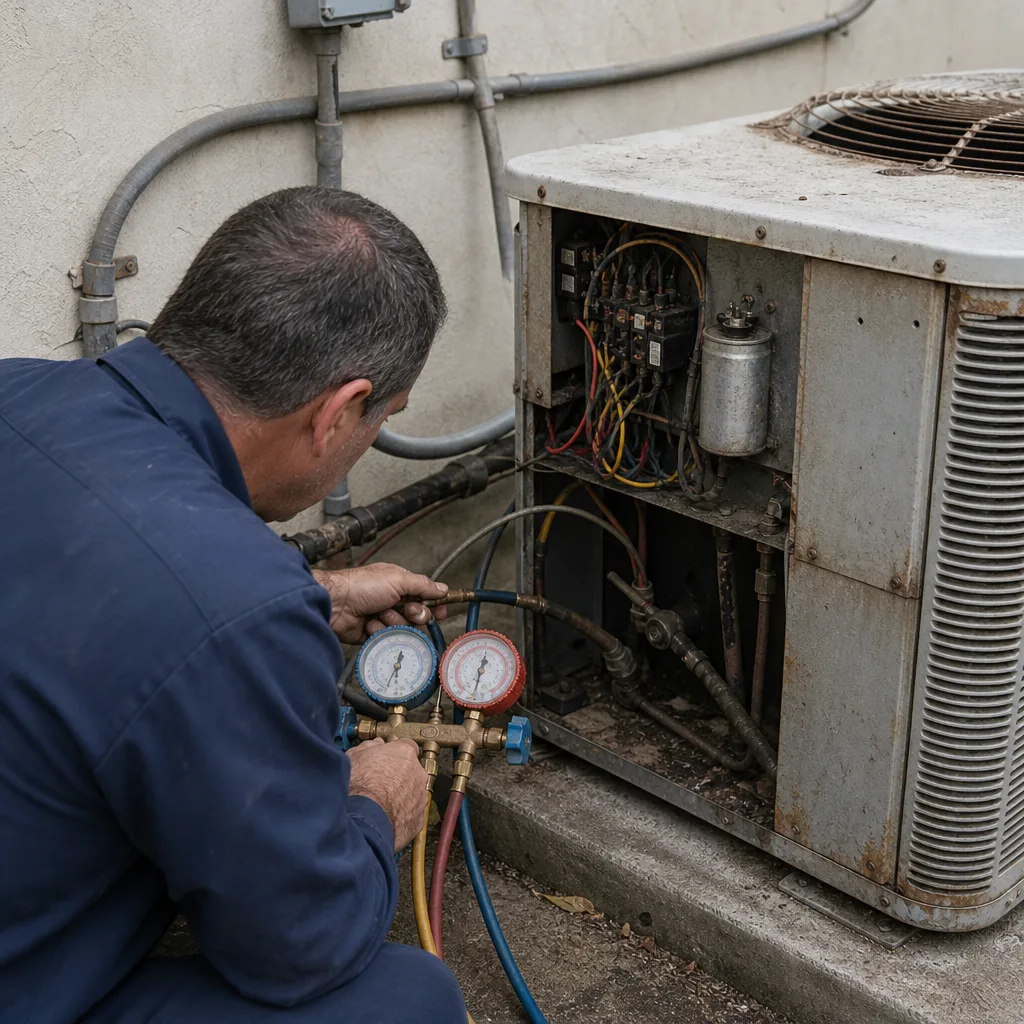
- Refrigerant charge verification. The system should be charged to the manufacturer’s spec using superheat or subcooling measurements, not by “feel” or gauge-pressure alone. Ask for the numbers in writing. An undercharged system from day one will run hot, short-cycle, and stress the compressor.
- Static pressure readings across the air handler and filter. High static pressure means the blower is fighting a restrictive duct system. It’s common in South Florida homes where ducts run through hot attics. A technician who measures this is checking whether your existing ducts can handle the new equipment.
- Drain line pitch and trap. The primary condensate drain should slope continuously toward the exit. In a Davie attic install, a flat section or a back-pitched run is a setup for standing water and eventually overflow damage. Ask them to show you the pitch.
- Filter size and MERV rating. Confirm what’s installed and what the equipment requires. Too high a MERV in an undersized return can choke airflow.
- Commissioning report and manufacturer documentation. Keep it. This becomes the baseline for every service visit going forward.
If you’re choosing a contractor, our page on AC installation explains what the installation process should include. What matters most here is the willingness to hand you numbers. A technician who can’t produce a charge reading or a static pressure measurement is guessing, and guessing in a Davie attic is expensive.
Why Refrigerant Charge and Static Pressure Matter More Than the Manual Says
Manufacturer specs assume a “typical” install, and typical rarely shows up in Davie homes. The combination of compact lots, long attic duct runs, and additions made over the years means the delivered airflow in a Davie house can vary wildly from what the equipment expects. Two measurements do most of the diagnostic work: refrigerant charge and static pressure. Get those right, and most other maintenance concerns become manageable.
Why so important here? Because a system running a slightly low charge at 95°F outdoor temperature can seem fine for a few cycles. The compressor’s internal temperatures climb higher than the same undercharge would produce in a cooler market, and the wear compounds quietly. By the time cooling capacity noticeably fails, the damage is done.
What to ask for at every service visit
- Subcooling or superheat reading compared against the manufacturer’s target.
- Static pressure across the air handler, and if high, a conversation about filters or duct corrections.
- Temperature split between return and supply air, read at the same visit for trend comparison.
- Amperage draw on the blower and compressor motor.
These are the levers of a properly running system. Our technicians have up to 15 years of experience and know that a Carrier, a Trane, a Bryant, or a Goodman behaves differently when airflow is restricted. That’s why we take readings instead of glancing at gauges. We work on whatever brand you already own, and the diagnostics don’t change based on the badge.
The Drain Line: Small Part, Big Consequences in Davie Humidity
If you remember one item from this list, make it the condensate drain. In dry climates, the line handles a modest trickle. In Davie, a running AC unit pulls pints of water from the air every hour of operation. That water has to leave the system, and the path out is the drain line and trap.
Here’s how a drain problem typically develops in Davie’s climate:
- Moisture condenses continuously on the evaporator coil and drips into the drain pan.
- The pan collects a mix of water, dust, and organic particles that pass through a standard filter.
- Buildup begins inside the drain line as a thin biofilm film. Warm, humid drain conditions favor it.
- Partial blockage slows drainage; the trap fills; standing water in the pan begins to smell or overflow.
- An overflow in an attic install wets insulation, drywall, and framing. This is one of the most common avoidable damage scenarios in a Davie home.
Standard practice is to check the trap, flush the primary drain, and confirm the secondary pan and float switch (if present) are functional. Flushing the drain with water at every service visit is cheap prevention. On any installation, verify the primary drain has adequate fall over its entire length and that the trap is correctly built. If your system sits in an attic or an interior closet without a floor drain, add a secondary overflow pan with a float switch. Many cities require this for new installation, so ask your installer specifically.
If you notice water stains near the air handler or a musty smell from the return grille, that’s a drain or pan issue. Call (833) 548-1941. We answer 24/7, and dispatch is available from 7am to 7pm.
Coil Cleaning Intervals in Davie’s Climate
Manufacturer maintenance guides often suggest annual indoor coil cleaning. In Davie, that’s too long. Shorter intervals reflect what the local air actually does to a coil, and the difference matters. Here’s why.
Davie’s air stays warm and humid through most of the year. Every time the system cycles on, the evaporator coil surface sits at roughly 40°F, well below the dew point. Moisture condenses on the fins continuously. That same moisture, combined with airborne dust and organic particles, feeds biofilm growth. A coil cleaning schedule designed for a climate with a six-month cooling season misses this pattern. National manufacturer PDFs don’t say “clean every six months in South Florida” because they’re not written for one market.
A realistic cleaning cadence for a Davie home
- Indoor evaporator coil: inspected and cleaned every 6-9 months. Homes with pets, smokers, or heavy cooking vapor sometimes need it more often.
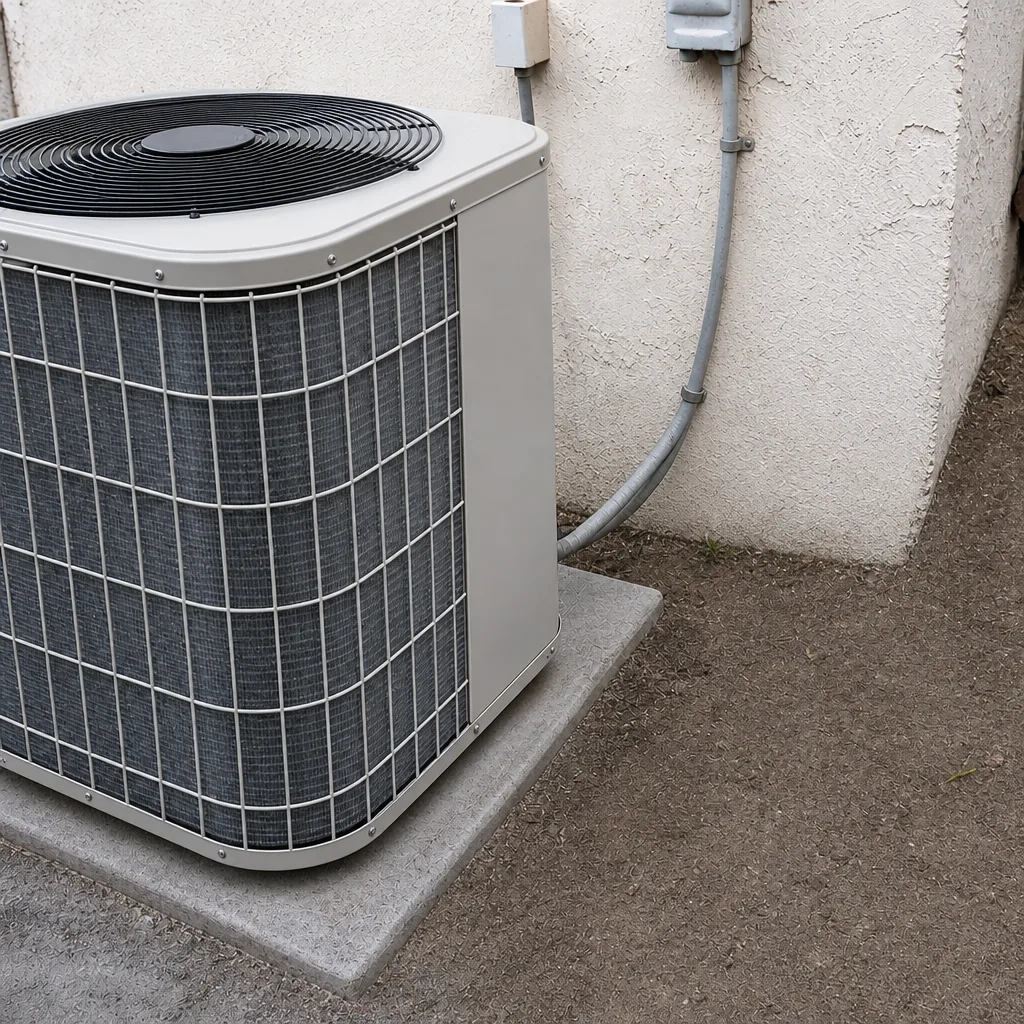
- Outdoor condenser coil: rinsed quarterly with low-pressure water; a full cleaning once a year or as fins show debris. Landscaping, nearby construction dust, and leaf litter push this toward the shorter end.
- Blower wheel: inspected at every service visit; cleaned when buildup is visible.
- Drain pan: wiped and inspected for biofilm at the same time the indoor coil is serviced.
Coil cleanliness drives efficiency more than most parts. A fouled coil restricts heat transfer, forces the compressor to run longer, and raises your bill without any obvious symptom until the system is running near its limit. In our experience, dirty coils in Davie homes are the most underdiagnosed efficiency loss on the service ticket. Whatever brand of equipment you have, cleaning frequency is what protects its performance.
Salt Air and Condenser Fins: What Coatings Actually Do
Condenser fins are thin aluminum, and aluminum doesn’t love salt. If your outdoor unit sits within a few miles of the Atlantic, salt is carried on the prevailing onshore breeze and settles on the fins. Davie’s location puts many homes close enough for airborne salt to be a real consideration. The unit is exposed year-round, since the system runs almost all twelve months, and there’s no winter off-season to let the corrosion pause.
What protective coatings actually do:
- They slow, not stop, corrosion. A factory or aftermarket coating (often a polymer film over the fins) extends fin life meaningfully, but it isn’t permanent.
- They need periodic inspection. Coatings chip and thin over time. Rinsing the fins removes the salt that would sit against any exposed metal.
- They don’t fix a compromised unit. Once fins are already pitted and half of them have dissolved away, coating isn’t a rescue plan; new equipment is the practical answer.
- Placement matters. A condenser tucked next to a screen enclosure that traps salt-laden air will corrode faster than one in open air.
Practical maintenance: rinse the outdoor fins with low-pressure water quarterly and inspect the fins for white or gray oxidation. If you’re installing new equipment, ask whether factory fin coatings are available for your unit. Carrier, Trane, American Standard, and other major brands offer variations of this, and it’s fair to ask. Keep in mind modern fins are tighter and thinner than older ones, so they’re less tolerant of neglect.
The 90-Day Post-Installation Check Nobody Asks For
Here’s the check most contractors skip, and most homeowners don’t know to request: a short service visit roughly 90 days after installation. It catches small problems while they’re still small. A charge that’s settled slightly off, a filter that’s loading faster than expected, a drain that’s already slowing, or a vibration or refrigerant-line issue that wasn’t obvious on day one. In a climate where the system runs constantly, 90 days is enough hours of operation to expose issues that would take a season to surface further north.
What the 90-day check should include:
- Re-check refrigerant charge and compare against commissioning numbers.
- Inspect the indoor coil for biofilm or dust buildup. If it’s already dirty, that tells you about filter choice or return duct issues.
- Flush and inspect the condensate drain and trap.
- Check the outdoor unit for fin damage, debris, or insect nests.
- Verify thermostat calibration and confirm programmed schedules match the homeowner’s actual routine.
- Look at filter condition and, if it’s clogging quickly, address the cause.
Many HVAC companies treat installation as the end of the relationship. We see it differently: the 90-day check is where confidence gets proven. When you hire for AC installation or any service work, ask directly whether this visit is included or how it’s structured. The answer tells you a lot about how the contractor thinks about the work.
Building a Maintenance Calendar Around an 11-Month Cooling Season
Davie’s climate keeps cooling demand in play most of the year. A typical month might have a couple of cool nights, but the system still cycles for humidity control and many homes still run the blower. Here’s how that compresses a maintenance calendar compared to the national average.
Why one annual service visit doesn’t cut it here
Contractors in colder markets can schedule a single “spring tune-up” that catches most issues before cooling season. In Davie, the system runs continuously enough that a single annual visit leaves 11 months of running unobserved. Filters load faster. Coils accumulate biofilm faster. A small issue caught at a second visit in the year is a repair; caught a year later, it’s often a replacement conversation. Annual service is a starting point, not a full plan.
A sensible two-visit-plus-owner-checks schedule for a Davie home
- Once in early spring: full preseason health check – charge verification, coil cleaning, drain flush, static pressure, electrical connections.
- Once in early fall: second visit – same checklist, plus a review of any summer strain, and evaluation of the filter schedule.
- Monthly (homeowner): check and change the filter. Standard 1-inch filters often need 30-day replacement in Davie homes; thicker media filters last longer but still need a visual check.
- Quarterly (homeowner): rinse the outdoor coils with low-pressure water; clear debris and vegetation from the condenser’s airflow, roughly two feet of clearance all around.
- Ongoing: confirm thermostat schedules aren’t set for long away periods during high-humidity weeks. Humidity inside a closed home climbs fast when cooling stops for days at a time.
Our team serves Davie and knows what a home near the western edge of town faces versus one closer to the coast. If your home also relies on a furnace for the few cool nights, we handle furnace repair too. You have a single contact for both systems, and one phone number to remember.
Common Mistakes to Avoid
- Following a national maintenance PDF literally. That schedule was built for a market with a real winter. In Davie, the intervals for filter changes, coil cleaning, and drain checks all need to be shorter, and skipping the second annual visit leaves 11 months of running unwatched.
- Skipping the installation-day measurements. If you accept a handshake and a “you’re all set,” you lose the baseline. Ask for refrigerant charge, static pressure, and drain pitch in writing. It’s your right to have them.
- Over-filtering in the name of air quality. A high-MERV filter in an undersized return is one of the most common causes of high static pressure and poor airflow in South Florida homes. Match the filter to the equipment and the filter grille’s capability.
- Letting the outdoor unit get swallowed by landscaping. Bushes trimmed tight to the condenser block airflow, and in a hot climate that matters more. Maintain clearance and check the fins periodically.
- Not asking about fin coatings up front. If your new unit will sit in one of Davie’s more salt-exposed areas, ask at installation time. It’s cheaper now than after the fins begin to degrade.
- Treating an annual tune-up as the full plan. It’s half the plan. Two visits catch far more in a warm climate than one.
- Assuming a maintenance issue will “show up” on its own. Many problems in Davie homes generate no obvious symptom until efficiency has slid for a while. Regular inspection is the diagnostic tool here, not waiting for a breakdown.
When to Call a Professional
Some items on this checklist are homeowner-friendly: filter changes, quarterly fin rinses, and keeping the area around the condenser clear. Others should bring a professional out. Call when refrigerant readings seem off, when static pressure is high, when the drain line shows slowed flow or standing water, when the indoor coil has visible biofilm despite regular filter changes, or when the compressor is drawing higher amps than its commissioning baseline. Also call if the system short-cycles, struggles to hold the thermostat setpoint, or makes unusual sounds. Refrigerant handling and electrical work in the air handler aren’t homeowner tasks; they’re jobs for someone trained to do them safely. If you’re unsure whether an issue is worth a visit, call and describe what you’re seeing.
Davie AC Repair offers free estimates in Davie. Call (833) 548-1941. We answer 24/7. Fast dispatch from 7am to 7pm, Sunday through Friday. Whether your system is a Goodman or a Trane, we work on it.
Frequently Asked Questions
Indoor evaporator coils in Davie should be inspected and cleaned every 6-9 months rather than annually, because the warm, humid air feeds biofilm buildup faster than national maintenance tables assume. Outdoor condenser fins should be rinsed quarterly with low-pressure water, and cleaned more thoroughly once a year or when debris is visible.
Before the technician leaves, ask for refrigerant charge (superheat or subcooling), static pressure across the air handler, drain line pitch, filter size and MERV rating, and a copy of the commissioning report. Each of these becomes the baseline for every service visit afterward, and missing numbers leave you without a reference point.
No. An annual tune-up covers about half the ground in this climate because the system runs nearly year-round. Two service visits, one in early spring and one in early fall, catch far more: fouled coils, drain buildup, and charge drift that would go unnoticed between single annual appointments.
Salt carried on the prevailing onshore breeze reaches many Davie homes and settles on aluminum condenser fins, which slowly corrodes them. Quarterly rinses with low-pressure water and factory fin coatings on new equipment slow the process meaningfully, though no coating stops corrosion permanently.
It’s a short service visit roughly three months after installation that re-checks refrigerant charge, inspects the indoor coil for early buildup, flushes the drain, and looks at the outdoor unit. It catches small issues while they’re cheap to correct, and it’s a check many contractors skip. Ask about it up front.
Yes. Davie AC Repair is certified to install and repair equipment from nine major manufacturers, including Carrier, Trane, Lennox, Goodman, Rheem, York, Daikin, Bryant, and American Standard. We work on the system you already own, and our recommendations follow what the home actually needs rather than any single brand partnership. Call (833) 548-1941 for a free estimate.
The Bottom Line
Davie’s climate doesn’t fit a generic maintenance calendar, and neither should your checklist. The items that matter most: capture installation-day measurements, clean coils on a 6-9 month cadence, flush the drain at every service visit, rinse the outdoor fins quarterly, and run two professional service visits a year instead of one. Add the 90-day post-installation check nobody thinks to ask for, and you’ll catch most problems while they’re still small. Our team works on whatever brand you own, whether that’s a premium Bryant or a budget Goodman, and we’d rather keep your current system running well than push a replacement. Straight answers, real diagnostics, one call for heating and cooling.
Ready to schedule a maintenance visit or get a second opinion on your system? Call (833) 548-1941 for a free estimate. We answer 24/7. Fast dispatch from 7am to 7pm, Sunday through Friday, and we’re closed on Saturday. Start with Davie AC Repair for the full picture of what we cover.
Written by the team at Davie AC Repair.
See the difference
 Before
 After
 Before
 After
 Before
 After